

Accelerate Learning With Podcasting
By Tom Seest
At PodcastBig, we help people who want to learn about podcasting by collating information and news about podcasting.
Be sure to read our other related stories at PodcastBig to learn more about podcasting.
Can Podcasting Help You Learn New Skills Faster?
In a world where we’re constantly bombarded with distractions and information overload, the humble podcast has emerged as a powerful tool for mastering new skills. Now, some folks might scoff and say, “How can listening to someone ramble on help me build a deck or learn to code?” Well, the answer isn’t always apparent, but if you dig a bit deeper, you’ll see that podcasts offer a unique blend of accessibility, engagement, and flexibility that can accelerate your learning like no other medium.
First off, let’s talk about accessibility. You don’t need to carve out a chunk of your day to sit down with a textbook or enroll in a pricey online course. With a good podcast, all it takes is a little downtime—commuting, cooking dinner, or even standing in line at the grocery store. You can immerse yourself in topics ranging from woodworking techniques to digital marketing strategies. No matter where you are, knowledge is just a few taps away. The beauty of podcasts is that you can curate your own learning experience, choosing which voices resonate with you and what subjects pique your interest.
Now, ever tried to read a technical manual? Yawn. Instead, podcasts often feature anecdotes, humor, and real-life experiences that can turn complex concepts into digestible stories. This storytelling aspect captures your attention and helps reinforce learning. Imagine listening to an expert share their personal mishaps while trying to operate a new tool. That’s not just entertaining; it’s downright instructive. You’re not slogging through dry facts; you’re absorbing lessons, and before you know it, you’re not just a passive listener but an active learner, taking notes and brainstorming how to apply those insights.
And let’s not forget about the convenience factor. Unlike live workshops or conventional classes, podcasts fit seamlessly into your life. You might have the right mindset while mowing the lawn or working out. That repetitive activity can create a perfect ambient space for some serious learning.
So, can podcasting help you learn new skills faster? Absolutely. With the right approach, you can transform mundane moments into opportunities for growth, all while being inspired by the experiences of others. The path to acquiring new skills doesn’t have to be formal or tedious—it can be dynamic, engaging, and, above all, enjoyable. So plug in, tune out the noise, and get ready to expand your horizons one episode at a time.

Can Podcasting Help You Learn New Skills Faster?
Can Podcasting Help You Learn New Skills Faster?
- Podcasts serve as a powerful tool for mastering new skills amidst distractions and information overload.
- They offer accessibility, allowing learning during downtime like commuting or cooking.
- Listeners can curate their own learning experience by choosing topics and voices that resonate with them.
- Podcasts transform complex concepts into engaging stories, making learning more enjoyable and easier to digest.
- Anecdotes and humor in podcasts reinforce retention and foster active learning.
- Convenience allows podcasts to fit seamlessly into daily routines and busy lifestyles.
- Utilizing podcasts can turn mundane moments into meaningful learning opportunities for skill acquisition.

Can Podcasting Help You Learn New Skills Faster?
Table Of Contents
- Can Podcasting Help You Learn New Skills Faster?
- What Topics Should I Explore In Educational Podcasts?
- How Can I Effectively Retain Information From Podcasts?
- Are There Specific Podcast Formats That Aid Learning?
- Can I Learn Practical Skills Through Podcasts Effectively?
- How Do I Find High-Quality Educational Podcasts?
- What Role Does Listening Frequency Play In Skill Acquisition?
- Can I Apply What I Learn From Podcasts In Real Life?
- Conclusion
- Other Resources
- Glossary Of Terms
- Other Questions
- Haiku
- Poem
- Checklist
What Topics Should I Explore In Educational Podcasts?
When it comes to diving into the world of educational podcasts, the options are as vast as they are varied. You can find yourself on a wild adventure through history, science, philosophy, and even beyond—each episode a key that unlocks new doors of understanding. The beauty of a podcast lies in its accessibility; you can explore these topics while commuting, working out, or even doing chores. So, what should you explore?
First up, history is a captivating domain ripe for exploration. Many podcasts delve deep into lesser-known stories or focus on pivotal moments that shaped our world. Think about it: how many times have you marveled at the thought of human resilience or ingenuity? History is not just a collection of dates and events; it’s the story of us, filled with triumphs and tragedies. Podcasts in this realm can offer fresh insights or perspective shifts that leave you pondering long after the episode ends.
Next, we can’t ignore science and technology. Educational podcasts in this arena provide not just facts, but narratives that connect complex topics to everyday life. Whether you’re fascinated by quantum physics or the latest in artificial intelligence, these podcasts break down intricate concepts into digestible morsels. You might find yourself learning about the science behind cooking, or the technology used in renewable energy—practical topics that empower you with knowledge that’s applicable in the real world.
Philosophy, too, deserves a seat at the table. While it may sound daunting, many podcasts make this topic approachable by discussing concepts relevant to modern living. They tackle questions about ethics, existence, and the nature of happiness. Engaging with these ideas can prompt you to reflect on your own beliefs, leading to profound growth.
Finally, consider the arts and culture. In this realm, podcasts can nurture your creative side and introduce you to various forms of artistic expression. From literature to visual arts and music, exploring these topics can enrich your life and inspire your own creativity.
Ultimately, your podcast journey can be shaped by your interests and your thirst for knowledge. Whether you choose history, science, philosophy, or the arts, each step will expand your horizons and deepen your understanding of the world around you. So lace up those intellectual boots and prepare to discover something new. There’s a wealth of knowledge waiting for you, one episode at a time!

What Topics Should I Explore In Educational Podcasts?
What Topics Should I Explore In Educational Podcasts?
- The world of educational podcasts offers a wide range of topics, including history, science, philosophy, and the arts.
- History podcasts often explore lesser-known stories and pivotal moments, providing insights into human resilience and ingenuity.
- Science and technology podcasts connect complex topics to everyday life, making subjects like quantum physics and renewable energy accessible.
- Philosophy podcasts engage listeners in discussions about ethics, existence, and happiness, fostering personal reflection and growth.
- Arts and culture podcasts nurture creativity by introducing various forms of artistic expression, from literature to visual arts.
- Your podcast journey can be molded by your interests, broadening your knowledge and understanding.
- Each episode offers an opportunity to expand your horizons and discover new perspectives.

What Topics Should I Explore In Educational Podcasts?
How Can I Effectively Retain Information From Podcasts?
Podcasts are like an ocean of knowledge, offering waves of information just waiting to be discovered. But let’s face it: if you aren’t careful, that ocean can swallow you whole, leaving you gasping for a breath of comprehension. So how do you ride the waves instead of getting pulled under? Here are some solid strategies to help you retain what you learn from your favorite podcast.
First off, it’s essential to choose the right podcast. There’s no shortage of options out there—some are educational, some are entertaining, and others are downright bizarre. Find a podcast that aligns with your personal interests and goals. When you’re genuinely engaged, you’ll absorb the material like a sponge. Whether it’s history, science, or DIY tips, the connection between your passions and the content will make retention much easier.
Next, don’t just passively listen. Active engagement is the name of the game. This means taking notes as you listen. You don’t need to write everything down; highlight the key points, ideas, or quotes that resonate with you. This not only reinforces your memory but also gives you something to refer back to later. Treat those notes like mini-gold nuggets of information.
Consider discussing what you’ve learned with someone else. Talking about a podcast helps cement the material in your mind. Sharing insights with friends, family, or even online forums can bring new perspectives and deepen your understanding. It’s like polishing that gold until it shines even brighter.
Another trick is to re-listen to particularly impactful episodes. Sometimes, the first go-around doesn’t do it justice. When you listen again, you might catch nuances or insights you missed the first time. It’s all about layering that knowledge. Just like a fine painting, multiple strokes bring out the detail.
Now, let’s not forget about the value of applying what you learn. If a podcast gives you useful advice or skills, put them to the test. Try out a cooking technique, implement a new productivity hack, or use a tip you heard in a business episode. The more you use your newfound knowledge, the more likely you are to retain it.
Lastly, embrace curiosity. Reflect on what you hear and allow your mind to wander. Ask questions, dive deeper, and seek out additional resources. After all, the world of podcasts is vast; there’s always more to learn. So plug in, stay curious, and ride those information waves like a pro!

How Can I Effectively Retain Information From Podcasts?
How Can I Effectively Retain Information From Podcasts?
- Choose the right podcast that aligns with your interests and goals for better retention.
- Engage actively by taking notes on key points and ideas while listening.
- Discuss what you’ve learned with others to reinforce your understanding.
- Re-listen to impactful episodes to discover nuances and deeper insights.
- Apply what you’ve learned by implementing useful advice or skills from podcasts.
- Embrace curiosity by reflecting on content and seeking additional resources.
- Stay engaged and ride the waves of information in the podcast ocean.

How Can I Effectively Retain Information From Podcasts?
Are There Specific Podcast Formats That Aid Learning?
When it comes to education, we often find ourselves sifting through a sea of methods—some engaging, others, well, not so much. Enter the world of podcasts. Now, this isn’t your average evening radio listen-in; these audio gems come in various formats, and some are particularly suited to aid learning. So, let’s break it down, shall we?
First up, we have the classic interview format. Imagine two people sitting down—one a seasoned expert, and the other a curious learner. This dynamic creates a rich dialogue that can spark insight and innovation. The back-and-forth nature of an interview encourages not only the sharing of knowledge but also critical thinking. Listeners are drawn into the conversation, and the authenticity of real stories often resonates more than sterile lectures.
Next on our list is the narrative format, where the host leads listeners through a tale, interspersed with valuable information. Think of it as storytelling with a purpose. A well-constructed narrative can turn complex ideas into relatable experiences, making learning feel less like a chore and more like an adventure. This format allows us to connect emotionally with the content; after all, who doesn’t love a good story?
Then, we have the “how-to” format, which is all about practical solutions. Whether it’s cooking, woodworking, or mastering a new software, these podcasts provide step-by-step guidance that listeners can follow along with. Here, the focus is on actionable advice, and that’s where the magic happens. People tend to retain information better when they can immediately apply what they’ve learned.
Lastly, let’s discuss the roundtable format, where multiple experts gather to discuss a specific topic. This encourages a plethora of viewpoints and fosters a collaborative learning environment. By exposing listeners to diverse perspectives, it challenges their thinking and promotes deeper understanding. It’s akin to sitting in on a professional discussion—informative, thought-provoking, and often, a bit spirited.
In summary, the world of podcasts is vast and varied, with formats designed to hit different learning styles. Whether you prefer the intimacy of an interview, the engagement of a narrative, the practicality of a how-to, or the depth of a roundtable discussion, there’s likely a podcast out there tailored just for your educational journey. So, plug in, hit play, and let the learning begin.

Are There Specific Podcast Formats That Aid Learning?
Are There Specific Podcast Formats That Aid Learning?
- Podcasts provide diverse educational methods, some more engaging than others.
- The classic interview format fosters rich dialogue between experts and learners, promoting knowledge sharing and critical thinking.
- Narrative formats deliver storytelling with purpose, transforming complex ideas into relatable experiences for emotional connection.
- The “how-to” format offers practical, step-by-step guidance on various topics, enhancing retention through immediate application.
- Roundtable formats feature multiple experts discussing a topic, encouraging diverse perspectives and fostering deeper understanding.
- Podcasts cater to different learning styles, whether through intimate interviews, engaging narratives, practical how-tos, or collaborative discussions.
- There’s a podcast for everyone, making learning accessible and enjoyable; just plug in and start your educational journey.

Are There Specific Podcast Formats That Aid Learning?
Can I Learn Practical Skills Through Podcasts Effectively?
If you’re sitting at home, wondering whether you can acquire practical skills just by listening to a podcast, let me assure you: the answer isn’t just “yes” — it’s a resounding “absolutely, with a caveat.” Think about it: in an age where convenience trumps all, podcasts have become the modern-day mentors tucked inside our pockets. But let’s be clear, they don’t replace hands-on experience; they enhance it.
Podcasts are an incredible medium for learning. They bring the wisdom of experts right to your ears. You can dive into a variety of topics— everything from woodworking and welding to coding and cooking— all while you’re commuting, exercising, or even doing the dishes. The beauty is in the flexibility. You can tune in whenever it suits you, soaking up invaluable information while going about your daily routine.
However, there’s a catch. While a podcast can give you a thorough understanding of a subject, it’s still just a gateway. You can listen to countless episodes about home repairs, for instance, but unless you pick up a tool and start fixing that leaky faucet, you won’t truly know what you’re doing. Practical skills, after all, demand practice. It’s the difference between knowing the theory of driving a car and actually hitting the open road.
So, how can you leverage podcasts effectively for skill building? First, approach them as part of a broader learning strategy. Find podcasts that not only excite you but also align with your goals. Create a listening list, and engage with the material meaningfully. Take notes, jot down tips and tricks, and don’t hesitate to rewind and listen again if something piques your interest.
Next, dive in! If a podcast inspires you to make that woodworking project, go for it. If you feel motivated to try that new recipe, get your ingredients ready and turn up the heat. Podcasts can educate and motivate, but they can also serve as your own personal cheerleader, pushing you toward action.
In short, yes, you can learn practical skills through podcasts—but it’s the doing that truly defines your journey. So, gear up, tune in, and get ready to put those lessons into action. There’s a world of knowledge out there, just waiting for you to grab that proverbial toolbox and start crafting your own expertise!

Can I Learn Practical Skills Through Podcasts Effectively?
Can I Learn Practical Skills Through Podcasts Effectively?
- Podcasts can help you acquire practical skills through listening, enhancing hands-on experience.
- They provide access to expert knowledge on various topics, from woodworking to coding.
- Podcasts offer flexibility, allowing you to learn while commuting, exercising, or completing chores.
- A podcast serves as a gateway to understanding a subject, but practical application is essential.
- Engage with podcasts as part of a broader learning strategy by taking notes and reflecting on the material.
- Use inspiration from podcasts to take action, whether it’s starting a project or trying a new recipe.
- The journey of learning practical skills is defined by action; listening is only the first step.

Can I Learn Practical Skills Through Podcasts Effectively?
How Do I Find High-Quality Educational Podcasts?
When you dive into the world of podcasts, finding quality content can feel a bit like searching for a needle in a haystack. With thousands of options out there, the key is knowing what to look for—this is where the journey gets interesting. Podcasts, after all, are a mix of voices, insights, and information, and the right ones can be enlightening.
First, start with clarity of purpose. What do you want to learn? Whether it’s history, science, or communication skills, pinpointing your interests will help narrow the vast sea of audio content. When you’ve identified a specific topic, it’s time to hit the digital streets.
One effective way to sift through the multitude of choices is to check out podcast directories. These platforms often categorize podcasts by genre, ratings, and reviews. Look for those with high ratings and plenty of positive feedback. Reviews can be a goldmine—they give you a sneak peek into the quality and depth of the material. If the show you’re considering boasts a good number of listeners and positive remarks about its educational value, that’s usually a solid indicator.
Don’t shy away from social media either. Platforms like Twitter, Instagram, and Facebook can lead you to rich discussions about great educational podcasts. Follow thought leaders in your field of interest. They often share their favorite listens and can lead you down a trail of intriguing and informative content.
Networking is another underrated strategy. Speak with friends, colleagues, or mentors about their go-to podcasts. Personal recommendations can be fantastic for unearthing hidden gems that aren’t always at the top of the charts.
Also, consider the production quality of the podcasts you sample. A good educational podcast should be well-researched, engaging, and presented in a clear manner. Listen to a few episodes before deciding if a show is worth your time. If the content resonates with you and the host maintains a level of professionalism, then you’ve probably found a winner.
In closing, remember that the world of podcasts is as diverse as the experiences and expertise of the hosts. By being strategic in your search and leveraging available resources, you can unearth educational podcasts that are not just informative, but genuinely engaging. So strap in, hit play, and let that audio adventure take you somewhere worthwhile.

How Do I Find High-Quality Educational Podcasts?
How Do I Find High-Quality Educational Podcasts?
- Finding quality podcasts requires clarity of purpose—determine your interests to narrow down choices.
- Utilize podcast directories that categorize shows by genre, ratings, and reviews for informed selections.
- Focus on podcasts with high ratings and positive feedback, as these indicate quality content.
- Engage with social media to discover discussions and recommendations from thought leaders in your field.
- Network with friends, colleagues, and mentors to uncover personal recommendations for hidden gems.
- Evaluate the production quality of podcasts—look for well-researched and engaging content.
- Approach the search strategically and leverage resources to find educational podcasts that are both informative and engaging.

How Do I Find High-Quality Educational Podcasts?
What Role Does Listening Frequency Play In Skill Acquisition?
In our busy lives, we often overlook the simple power of listening. Imagine this: you’re standing in the middle of a workshop, surrounded by machinery and tools. There’s a seasoned expert giving details on how to use a lathe, but if you only catch a few snippets, you’re not really absorbing the lesson. That’s the crux. The frequency with which you expose yourself to valuable information—be it through a podcast or real-life experience—can be the linchpin of skill acquisition.
Think about it. You could spend weeks reading a manual, but if you don’t actually hear someone explain the nuances behind the instructions, you’re left with a limited understanding. A podcast can serve as your portable mentor, delivering insights from professionals who have been in the trenches. The more you listen, the more ingrained those lessons become.
It’s like training a muscle; the more you work it out, the stronger it gets. If you tune in to a relevant podcast regularly, not only do you receive a steady stream of knowledge, but you also engage with the community around that topic. This consistent exposure reinforces the concepts and techniques crucial to mastering a new skill. The brain craves repetition.
Listening frequency also plays a role in retention. Just think of how a catchy tune gets stuck in your head; the same principle applies to skill acquisition. The more frequently you hear something, the more likely you are to remember it. A quick jaunt through a podcast episode on woodworking today could lead you to apply those tips in your next project, turning abstract concepts into hands-on skills with tangible results.
Moreover, the context in which you consume this information matters. Whether you’re on your commute, exercising, or tackling chores, every moment you dedicate to training your ears is a step toward making that knowledge your own. It’s not just about the volume of information you receive but how often you allow yourself to digest the lessons wrapped in the stories and experiences of others.
So, next time you grapple with a new skill, consider how often you’re tuning into those lessons—even a well-placed podcast episode can make all the difference. The road to mastery is paved with attentive listening; embrace it.

What Role Does Listening Frequency Play In Skill Acquisition?
What Role Does Listening Frequency Play In Skill Acquisition?
- Listening is a powerful tool often overlooked in our busy lives.
- Active engagement with information, such as through a podcast, enhances skill acquisition.
- Hearing explanations provides deeper understanding beyond just reading instructions.
- Regularly tuning into relevant podcasts helps strengthen knowledge and builds community engagement.
- Repetition is key to retention, similar to how catchy tunes can stick in your mind.
- Context matters; consuming information during daily activities helps integrate lessons.
- Attentive listening is essential on the journey to mastering new skills.

What Role Does Listening Frequency Play In Skill Acquisition?
Can I Apply What I Learn From Podcasts In Real Life?
Podcasts have surged in popularity, giving people access to a wealth of knowledge right at their fingertips. Whether you’re deep into a true crime series, a motivational talk, or a lively discussion on a niche topic, the allure of learning on the go is undeniable. But here’s the kicker: can you really apply what you learn from these auditory gems in real life, or is it just entertainment dressed up as education?
First off, let’s acknowledge that podcasts offer a unique vehicle for learning. They pack insights into bite-sized segments, allowing folks to absorb information during their daily routine – whether you’re commuting, working out, or just heading to the grocery store. The medium of sound has a way of engaging the mind in a different fashion than written content. You might find yourself picking up practical advice on entrepreneurship from a business podcast one day and learning about the preservation of ancient artifacts on another. This eclectic mix can be invigorating. But it begs the question: what’s the next step?
Applying podcast knowledge in real life requires a bit of intention. Just because you’ve soaked in an hour of phenomenal insights doesn’t mean they’ll seamlessly integrate into your daily life. Instead, consider taking notes or mentally bookmarking key takeaways. After all, the real power lies in action. A podcast might inspire you to finally launch that small business you’ve been thinking about or give you the motivation to approach a difficult conversation. But if you don’t put any of these thoughts into motion, they’ll evaporate like morning fog.
Another factor is context. The strategies you hear about might work well for the podcast host in their unique situation but may not translate perfectly to your environment. It’s crucial to filter what you learn through the lens of your own experiences. Tailoring advice to suit your context can make it far more effective.
Finally, don’t forget the human element. Engage with others who share your interests. Discussing what you’ve learned with friends or on social media platforms can help reinforce those lessons and inspire real-life applications. Connecting with like-minded individuals ramps up the chances that the insights you gain won’t just linger in your mind—they’ll take root and flourish in your daily life. So, dive into that latest episode, but remember: listening is just half the battle. The other half? Getting off the couch and making it happen.

Can I Apply What I Learn From Podcasts In Real Life?
Can I Apply What I Learn From Podcasts In Real Life?
- Podcasts have become increasingly popular, providing easy access to diverse knowledge.
- They offer a unique learning experience through bite-sized segments, suitable for multitasking.
- The auditory medium engages the mind differently than written content, enhancing retention.
- Applying podcast knowledge in real life requires intention, such as taking notes or noting key takeaways.
- Context is important; advice may need to be tailored to fit individual situations and experiences.
- Engaging with others about podcast content can reinforce lessons and inspire actionable steps.
- Listening to podcasts is just the beginning; real change requires taking action in daily life.
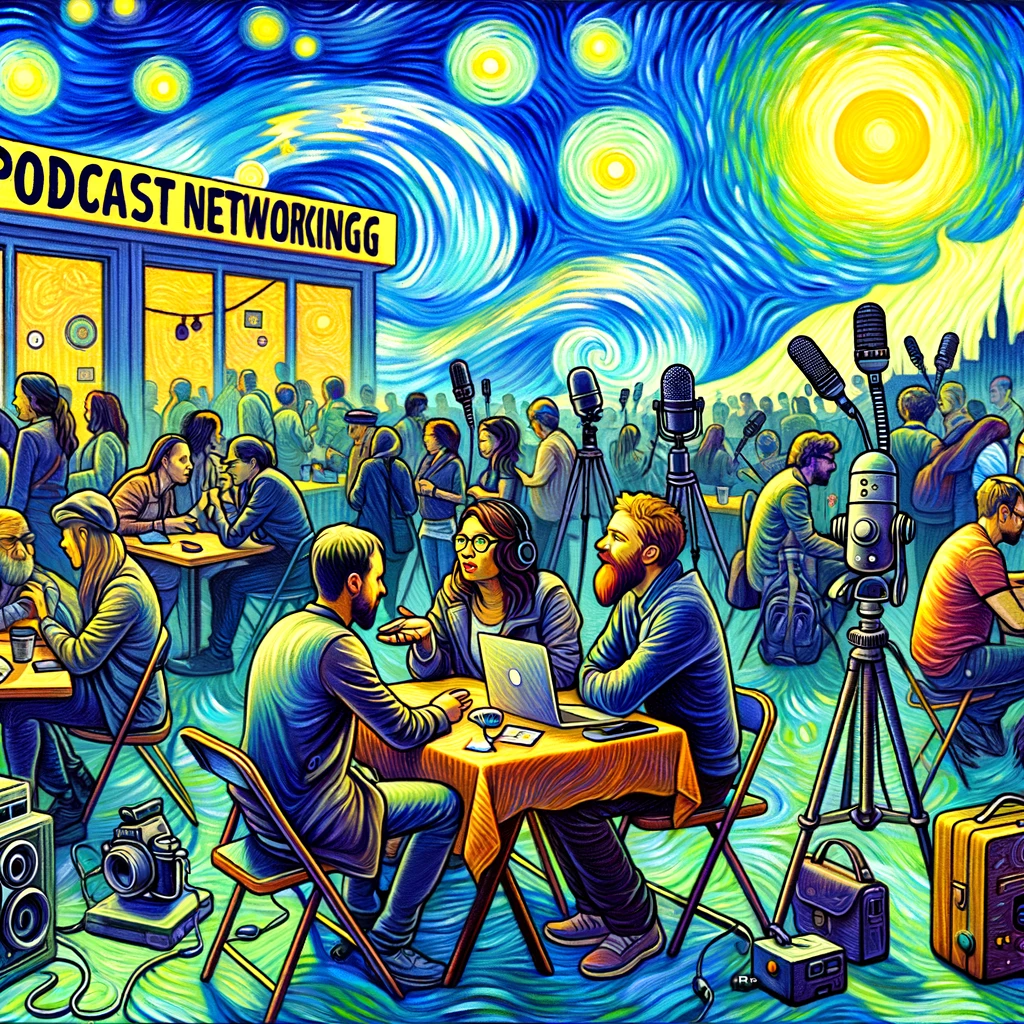
Can I Apply What I Learn From Podcasts In Real Life?
Conclusion
As we wrap things up, let’s take a moment to reflect on the transformative potential of podcasts in our journey to gather new skills. You see, we live in a time with a constant barrage of distractions, yet within that clamor lies a hidden sanctuary: the podcast. It’s easy to dismiss these audio treasures as mere entertainment, but for those willing to dig a little deeper, the rewards are substantial.
First, think about accessibility. Podcasts allow us to stitch pockets of learning effortlessly into our busy lives. From commuting to chores, they transform mundane moments into classroom sessions. Forget the rigid structures of traditional learning; with the right podcast, all it takes is a quick listen to deepen your understanding of woodworking, coding, or even quantum physics while going about your day.
Let’s not overlook the art of storytelling either. Unlike the dull monotony of reading dry textbooks, podcasts breathe life into concepts through vibrant anecdotes and firsthand experiences. You’re not just absorbing information; you’re connecting with it on a deeper level. It’s a breath of fresh air that leads to active engagement, encouraging you to take notes, brainstorm ways to apply what you hear, and even share insights with friends.
Now, let’s get real. Can listening alone equip you with practical skills? Sure, podcasts can provide you with the toolkit, but the real magic happens when you roll up your sleeves and dive into the actual doing. It’s about pairing the doctrine with action—whether that’s tackling home repairs or experimenting in the kitchen. The podcast is your mentor, but practice is the true teacher.
So, how do you make sure you’re downloading not just data, but valuable insight? Look for high-quality content, take notes, and immerse yourself in conversations about what you learn. Reflect on episodes, revisit those golden nuggets of knowledge, and most importantly, apply what resonates with you. It’s a long-term commitment, and just like any relationship, it requires maintenance.
In conclusion, podcasting isn’t just a trendy way to pass time; it’s a bona fide learning tool that can turn idle minutes into fruitful opportunities for personal growth and skill acquisition. So roll up those intellectual sleeves, give your favorite podcast a whirl, and embrace the understanding that every episode is a stepping stone on your journey to mastering new abilities. Tune in, transform your thought process, and watch as the world expands beyond your ears—one episode at a time.

Conclusion
Conclusion:
- Podcasts serve as a transformative tool for acquiring new skills amidst daily distractions.
- They enhance accessibility by integrating learning into everyday activities like commuting and chores.
- Podcasts bring concepts to life through storytelling, making learning more engaging than traditional textbooks.
- Listening alone isn’t enough; practical application is crucial for mastering new skills.
- To maximize learning from podcasts, seek high-quality content, take notes, and engage in discussions.
- Regular reflection and application of podcast insights are necessary for sustained learning and growth.
- Overall, podcasts are valuable tools for personal development and skill acquisition, turning idle time into productive learning opportunities.

Conclusion
Other Resources

Other Resources
Here is a list of other resources you can review online to learn more:
- Breaker
- Streamlabs
- Odnoklassniki
- Apple Podcasts for Creators
- Podcast Guru
- Threads
- Blogger
- LiveJournal
- Podkicker
Use This Prompt To Get More Resources With Your Favorite Online AI Tool: Please provide me with a list of online articles with their URLs in a bulleted list that I can read regarding Can Podcasting Help You Learn New Skills Faster?

Other Resources
Glossary Terms
Can Podcasting Help You Learn New Skills Faster? – Glossary Of Terms
1. Podcast: A digital audio file available for streaming or download, typically produced as a series with various episodes focusing on specific topics.
2. Skill Acquisition: The process of developing new abilities or knowledge through practice, study, or experience.
3. Audio Learning: A method of learning that primarily relies on auditory materials, such as spoken words and sounds, rather than visual aids or written text.
4. On-Demand Learning: A style of education that allows learners to access materials anytime and anywhere, fitting their own pace and schedule.
5. Learning Curve: A graphical representation of the rate of a person’s progress in gaining skill or knowledge over time.
6. Curated Content: Selected and organized material around a theme, often compiled by experts for ease of access and relevance.
7. Micro-Learning: An educational approach that breaks information down into small, focused units, making it easier to digest and apply.
8. Engagement: The level of interest and involvement a learner has in a given material or learning method; higher engagement often leads to better retention.
9. Active Listening: A communicative process where the listener fully concentrates, understands, responds, and remembers what is being said.
10. Expert Interviews: Conversations with field experts that provide insights, advice, and experiences related to specific skills or topics.
11. Storytelling: The art of conveying a narrative or experience, often used in podcasts to make lessons more relatable and memorable.
12. Niche: A specialized segment of the market for a particular kind of product or service; in podcasting, topics are often niche-focused to attract specific audiences.
13. Accessibility: The design and delivery of content that ensures learning materials are usable and understandable for all individuals, including those with disabilities.
14. Autodidacticism: The practice of self-directed learning where individuals take the initiative to learn new skills without formal instruction.
15. Resourcefulness: The ability to find quick and clever ways to overcome difficulties, often necessary in the process of learning new skills.
16. Feedback Loop: A system where learners receive and act upon feedback regarding their progress, enhancing the learning experience.
17. Instructional Design: The practice of creating educational experiences that make the acquisition of knowledge and skills more efficient, effective, and engaging.
18. Episodic Learning: Learning that occurs within a defined segment or episode, allowing learners to focus on specific topics in each session.
19. Question-Based Learning: An educational method that prompts learners to ask questions to guide their understanding and exploration of the topic.
20. Networking: The act of connecting with others in your field or area of interest to share knowledge, resources, and experiences.
21. Transcription: The written text version of spoken content, which can aid in reviewing podcasts for better understanding and retention.
22. Visual Aids: Supplementary materials such as charts or graphics that can enhance learning but may not be present in audio formats.
23. Motivation: The internal and external factors that drive individuals to learn and acquire new skills, often influenced by interests and goals.
24. Reinforcement: A learning principle where behaviors or knowledge are strengthened through rewards or consistent practice.
25. Podfade: The phenomenon of a podcast creator discontinuing their podcast due to reasons such as burnout or lack of engagement.
26. Community Building: The development of a group with shared interests or goals, often fostered through podcast platforms, leading to collaborative learning.
27. Skill Transfer: The ability to apply acquired skills from one context or discipline to another, enhancing versatility.
28. Cognitive Load: The mental effort used in learning, which can be affected by the complexity of information and the format in which it’s presented.
29. Diversity of Perspectives: The inclusion of various viewpoints or approaches, often found in podcasts to enrich discussions and broaden understanding.
30. Lifelong Learning: The ongoing, voluntary, and self-motivated pursuit of knowledge for personal or professional development throughout one’s life.

Glossary Of Terms
Other Questions
Can Podcasting Help You Learn New Skills Faster? – Other Questions
If you wish to explore and discover more, consider looking for answers to these questions:
- What are some specific skills that are best learned through podcasts?
- How do I choose the right educational podcasts for my needs?
- What are the best practices for taking notes while listening to podcasts?
- How can I balance podcast learning with traditional forms of education?
- Can podcasts enhance my critical thinking skills?
- Are there any interactive features available in educational podcasts?
- What are the benefits of subscribing to podcast feeds versus individual episodes?
- How can I incorporate podcast learning into my daily routine efficiently?
- What are the psychological effects of auditory learning compared to visual learning?
- Are there podcast recommendations for specific age groups or learning levels?
- How can I effectively track my learning progress from podcasts?
- What technologies or apps can help improve podcast listening experiences?
- Can podcasts aid in professional development or career advancement?
- How does the quality of podcast hosts affect the learning experience?

Other Questions
Haiku
Can Podcasting Help You Learn New Skills Faster? – A Haiku
Podcasts weave knowledge,
In daily life, skills bloom bright—
Listen, learn, then act.

Haiku
Poem
Can Podcasting Help You Learn New Skills Faster? – A Poem
In a world of chatter and rapid pace,
Podcasts bloom, a calming embrace.
From driving to cooking, or standing in line,
Knowledge awaits, your learning divine.
A treasure trove wrapped in calming sound,
Wisdom of experts, just waiting to be found.
From woodworking to coding—select with care,
Curate your journey, find voices that share.
With stories and humor, complex woven light,
Dry manuals fade, as anecdotes ignite.
Absorb the lessons wrapped in a tale,
Turn passive moments into a vibrant trail.
Take notes and engage as the speakers inspire,
Active listening fuels curiosity’s fire.
Talk with others, reflect, and apply,
What you learn on the go can help dreams take flight.
Explore the arts, dive into history’s thread,
Science and philosophy stirred to tread.
Each podcast a key unlocking your mind,
Waves of information, let insights unwind.
Listen frequently, let repetition mend,
Muscles of knowledge grow strong, never bend.
A mentor in sound, guiding you through,
Engage with the content, let it lead you anew.
So when you tune in, make it more than a chore,
Ask questions, seek knowledge, and always explore.
For learning through podcasts isn’t just for the ear,
It’s a bridge to the active, where ambitions steer.
So plug in, take action, transform your days,
From insights and lessons, craft your own ways.
In the art of the audio, adventure awaits,
With every episode, open new gates.

Poem
Checklist
Can Podcasting Help You Learn New Skills Faster? – A Checklist
1. Identify Your Learning Goals:
_____ Determine what skills or topics you want to focus on (e. g. , coding, cooking, history).
2. Choose the Right Podcasts:
_____ Look for podcasts that align with your interests.
_____ Explore directories and read reviews to find high-quality educational content.
_____ Check for high ratings and positive feedback on platforms like Apple Podcasts or Spotify.
3. Listen Actively:
_____ Take notes while listening to capture key points, ideas, and quotes.
_____ Highlight particularly interesting or relevant content.
4. Engage with the Material:
_____ Discuss episodes with friends, family, or online communities to reinforce learning.
_____ Share insights and explore different perspectives.
5. Re-listen to Key Episodes:
_____ Revisit episodes that you found particularly impactful to deepen your understanding.
_____ Look for nuances or insights you might have missed the first time.
6. Apply What You Learn:
_____ Put insights into practice (e. g. , try a new recipe, implement a productivity hack).
_____ Start a project related to the skills you are learning (e. g. , woodworking, coding).
7. Explore Various Podcast Formats:
_____ Seek out different formats—interviews, narratives, how-tos, and roundtables—according to your learning style.
_____ Experiment with what format engages you the most.
8. Establish a Listening Routine:
_____ Incorporate podcasts into your daily routine (e. g. , listening while commuting or during workouts).
_____ Aim for regular listening to reinforce retention of information.
9. Reflect and Assess:
_____ After each episode, take a moment to reflect on what you learned.
_____ Consider how the new information can be applied in your life or projects.
10. Stay Curious:
_____ Follow up on topics of interest by seeking additional resources or related podcasts.
_____ Embrace learning as a continual journey and explore new subjects outside your comfort zone.
Bonus Tips:
_____ Share and recommend podcasts to friends to build a community around learning.
_____ Commit to one actionable takeaway from each episode to implement into your life.
Utilize this checklist as a guide to fully leverage the power of podcasts in your learning journey!

Checklist
At PodcastBig, we help people who want to learn about podcasting by collating information and news about podcasting.
Be sure to read our other related stories at PodcastBig to learn more about podcasting.