

Podcast Power: Elevating Your Personal Brand
By Tom Seest
At PodcastBig, we help people who want to learn about podcasting by collating information and news about podcasting.
Be sure to read our other related stories at PodcastBig to learn more about podcasting.
Can a Podcast Skyrocket Your Personal Brand?
In the ever-evolving landscape of personal branding, the question arises: can a podcast really skyrocket your personal brand? The short answer is a resounding yes. But let’s not kid ourselves; it takes more than just hitting the record button and chatting into a microphone. It requires a strategic blend of authenticity, passion, and a dash of good old-fashioned hard work.
Picture this: you’re sitting in front of a mic, sharing your experiences, insights, and expertise with the world. Instead of a passive audience, you’re inviting them into a conversation, creating a community around your passion. That’s the magic of a podcast. It allows you to connect with listeners on a personal level, making them feel like they’re a part of your journey. This connection is not just valuable; it’s vital. In today’s hyperconnected world, people want authenticity. They’re drawn to stories, real voices, and genuine experiences. A podcast provides the perfect platform for that.
Now, let’s talk about the nitty-gritty. To really harness the potential of a podcast, you need to define your niche. What are you passionate about? What insights can you offer that others can’t? Whether you’re an expert in your field, a hobbyist, or someone with a unique story to tell, pinpointing your focus can help you stand out in a crowded space. From there, consistency is key. Regular episodes keep your audience engaged and coming back for more. They’ll begin to associate your voice with valuable insights and compelling narratives—two essential building blocks for a strong personal brand.
Engagement doesn’t stop once the recording ends. It’s essential to interact with your audience through social media, live events, or listener feedback. This creates an immersive experience that further cements your presence in their lives. Don’t shy away from collaboration, either. Bringing guests onto your podcast allows you to tap into their audiences, thereby expanding your reach and credibility.
In sum, launching a podcast can certainly skyrocket your personal brand—if done with intention and heart. It’s not merely about the content you produce but about the connections you foster. In a world where everyone is vying for attention, standing out as a relatable voice can make all the difference. So if you’ve been on the fence, it’s time to embrace that microphone and share your story. You never know who’s listening and how much of an impact you can make.

Can a Podcast Skyrocket Your Personal Brand?
Can a Podcast Skyrocket Your Personal Brand?
- A podcast can significantly enhance your personal brand when done strategically.
- Success in podcasting requires authenticity, passion, and hard work beyond just recording.
- Podcasts foster a community through personal connection, inviting listeners into a conversation.
- Defining a niche and offering unique insights helps you stand out in a crowded space.
- Consistency in producing episodes retains audience engagement and builds brand association.
- Engagement with your audience through social media and feedback creates an immersive experience.
- Collaborating with guests can expand your reach and credibility within your niche.

Can a Podcast Skyrocket Your Personal Brand?
Table Of Contents
- Can a Podcast Skyrocket Your Personal Brand?
- Can A Podcast Help Me Build My Personal Brand?
- What Are The Benefits Of Podcasting?
- How Do I Choose A Podcast Topic That Resonates?
- What Equipment Do I Need To Start A Podcast?
- How Can I Grow My Podcast Audience Effectively?
- What Are The Best Platforms For Hosting My Podcast?
- How Often Should I Release New Podcast Episodes?
- Conclusion
- Other Resources
- Glossary Of Terms
- Other Questions
- Haiku
- Poem
- Checklist
Can A Podcast Help Me Build My Personal Brand?
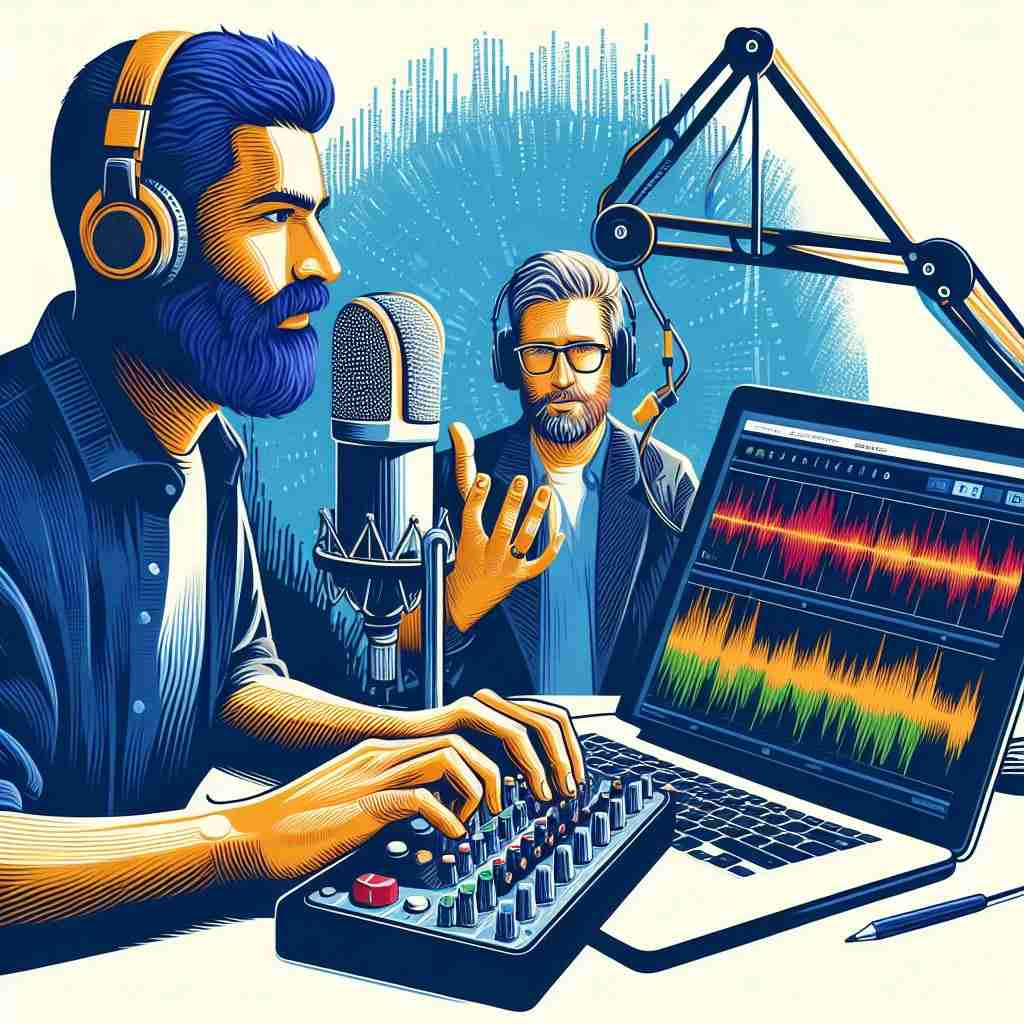
In today’s digital landscape, you’ve got countless platforms vying for your attention, yet one often gets overlooked—the humble podcast. Now, if you’re sitting there thinking, “Do I really need another thing on my plate?” let me stop you right there. A podcast not only gives you an outlet for expression, but it can also be a robust vehicle for building your personal brand.
Let’s face it: everyone has a story to tell. Whether you’re an expert in your field, a passionate hobbyist, or a straight-up DIYer, a podcast is your chance to dive deep into what makes you tick. It allows listeners a glimpse into who you are—your values, interests, and expertise. When you share your knowledge and experiences, you start positioning yourself as a credible voice in your niche.
Imagine this: every time you hit that record button, you’re putting yourself out there. With each episode, you cultivate an audience that resonates with your message. And guess what? The beauty of this medium is that it’s personal. You don’t just reach an audience; you engage them on a level that traditional media simply can’t match. It’s an intimate conversation, making it easier to connect, inspire, and influence.
But let’s get back to that personal brand we’ve been talking about. It’s more than just a logo or a catchy tagline. Your brand is the cumulative impression people have of you, and with a podcast, you’re steering that perception. Authenticity is the name of the game. Share your successes and failures, your straight truths and your learned lessons. This realness invites trust and loyalty, which are invaluable commodities in a world where the next viral sensation is just one click away.
Moreover, a podcast allows for versatility. Want to interview guests? Perfect. Want to tackle pressing industry issues? Go for it. Want to share a lived experience? That’s your ticket. The variety keeps your content fresh and can attract diverse listeners, expanding your reach.
In a nutshell, a podcast offers a unique opportunity to craft your narrative and elevate your personal brand. So, if you’ve been contemplating whether to take the plunge, remember: your voice is your asset, and with a good podcast, you can turn that asset into an influential brand. You might just find that the next step on your journey is sitting right in front of you—waiting to be recorded.

Can A Podcast Help Me Build My Personal Brand?
Can A Podcast Help Me Build My Personal Brand?
- Podcasts are often overlooked in the digital landscape but are valuable for personal branding.
- Every individual has a story to tell, making podcasts a way to express passions and expertise.
- Recording episodes allows you to engage directly with your audience, fostering deeper connections.
- Podcasts cultivate your brand by shaping how others perceive you, emphasizing authenticity.
- Sharing personal successes and failures invites trust and loyalty from listeners.
- Podcasts offer versatility through various content styles, from interviews to industry discussions.
- A podcast can turn your voice into an influential asset, enhancing your narrative and brand.
Can A Podcast Help Me Build My Personal Brand?
What Are The Benefits Of Podcasting?
In today’s fast-paced world, where information is at our fingertips and attention spans seem to be shrinking by the day, podcasting has emerged as a powerful medium. This isn’t just about listening to someone drone on; it’s about connecting, learning, and sharing in an incredibly engaging way. As we dive into the benefits of podcasting, let’s remember it’s not just a trend—it’s a transformative tool that can change the way we consume content and interact with ideas.
First and foremost, podcasting offers an unparalleled level of accessibility. Whether you’re commuting, working out, or simply doing chores, you can dive into a podcast and absorb information hands-free. Unlike traditional media, which often demands your full attention, podcasts allow you to multitask. You could be folding laundry, and suddenly you’re also gaining insights from an expert in a field you’re passionate about. That’s the magic of the podcast: it fits seamlessly into the rhythm of everyday life.
Another significant benefit is the breadth of topics that podcasts cover. There’s a podcast for nearly every niche imaginable—be it history, science, comedy, or true crime. This diversity enables listeners to tap into their passions or explore new interests without the constraints of time or geography. You don’t have to sit in a classroom or attend a seminar; all you need is a device and an internet connection to access a wealth of knowledge and entertainment.
For creators, starting a podcast can also be a game changer. It provides a platform to express ideas, share stories, and engage with audiences in a way that feels personal. You don’t need a big budget or advanced equipment to get started; a simple smartphone and some determination can pave the way for reaching millions. Furthermore, the ability to build a community around a podcast fosters loyalty and connection. Listeners often feel like they know the host personally, leading to a relationship that is deeper than just mere consumption of information.
Finally, podcasting can boost personal branding in a world where authenticity is king. By sharing your unique perspective, you can establish yourself as a thought leader in your chosen field. As your audience grows, so does your influence, opening doors to new opportunities and collaborations.
In a nutshell, podcasting isn’t just another way to pass the time—it’s a powerful medium for connection, education, and growth. Whether you’re a consumer or creator, the benefits are as vast as the ocean, just waiting to be explored.

What Are The Benefits Of Podcasting?
What Are The Benefits Of Podcasting?
- Podcasting is a transformative tool in today’s fast-paced information landscape.
- It offers unparalleled accessibility, allowing multitasking while absorbing content.
- Podcasts cover a vast array of topics, enabling exploration of new interests.
- Creators benefit from an accessible platform to express ideas and engage audiences.
- Building a community around podcasts fosters loyalty and deeper connections.
- Podcasting boosts personal branding and establishes thought leadership.
- The benefits of podcasting are extensive, making it valuable for both consumers and creators.

What Are The Benefits Of Podcasting?
How Do I Choose A Podcast Topic That Resonates?
Choosing the right podcast topic is a bit like digging for gold—you’ve got to sift through a lot of dirt to find that shiny nugget. To land a topic that resonates, start by looking inward. What are you genuinely passionate about? Your enthusiasm is contagious; if you’re excited about the subject, your listeners will be too. But don’t stop there. Think about your experiences, skills, and knowledge—these elements form the foundation of a compelling podcast.
Now, just because you’re passionate doesn’t mean the world is clamoring for another show about your collection of vintage bottle caps. You’ve got to strike a balance. Dive into research to gauge what’s already out there. Listen to existing podcasts in your interest area. What topics are trending? What gaps can you fill? By aligning your passion with what people want to hear, you create the potential for a real conversation—one that resonates deeply with your audience.
Next up, consider your target audience. Who are they? What keeps them up at night? Whether you aim to inspire, entertain, or educate, your topic should serve the needs and interests of those listeners. Engage with potential audience members through social media or community forums. This interaction can offer invaluable insights into what topics would hit home.
Another trick is to tap into storytelling. People are hardwired for narratives—it’s how we connect. Infuse your topic with personal stories, myths, or even legends. This adds texture and relatability, making technical subjects easier to digest. A podcast that weaves a compelling narrative will not only grab attention but also encourage listeners to come back for more.
Finally, don’t shy away from trial and error. Launch a few test episodes on various topics, gather feedback, and be willing to pivot. Authenticity matters; if a subject doesn’t feel authentic or engaging after a few tries, it might be a good idea to explore other avenues.
Selecting a podcast topic is about finding that sweet spot—where your passion meets a need, where your storytelling connects with your audience. With a little creativity and recalibration, you’ll not only create content that resonates but also build a community eager for the next episode. So dig deep, listen closely, and don’t forget to enjoy the process.

How Do I Choose A Podcast Topic That Resonates?
How Do I Choose A Podcast Topic That Resonates?
- Choosing a podcast topic requires introspection; focus on what you’re genuinely passionate about.
- Research existing podcasts to identify trends and gaps in your area of interest.
- Align your passion with audience interests for deeper engagement and meaningful conversations.
- Understand your target audience’s needs by interacting with them through social media or forums.
- Incorporate storytelling to make your podcast relatable and engaging.
- Be open to trial and error; test various topics and adjust based on feedback.
- Strive for a balance between personal passion and audience demand while enjoying the creative process.

How Do I Choose A Podcast Topic That Resonates?
What Equipment Do I Need To Start A Podcast?
Starting a podcast is a bit like embarking on a great adventure. It’s exciting and filled with possibilities, but you need the right gear to steer your ship. Let’s cut through the clutter and get down to the essentials.
First off, you’ll need a quality microphone. This is your lifeline—your voice is the heart of your podcast, and a poor microphone can make even the best content sound like a muffled whisper in a crowded bar. Look for a condenser or dynamic microphone that captures clarity without picking up every stray sound in your environment. Believe me; it’s worth the investment.
Next, you’ll need a pair of headphones. This isn’t just about listening to your dulcet tones; it’s about monitoring your audio as you record. A good pair of closed-back headphones can help you catch unwanted noises or technical glitches that might crop up. Plus, they keep you from sounding like you’re talking to yourself in a windstorm.
Now, let’s talk about the brains behind the operation: your recording device. While you could easily use your computer, a dedicated digital audio recorder can give you more flexibility, especially if you’re recording on the go. Many podcasters also use software like Audacity or GarageBand for editing. This part can feel a bit overwhelming at first, but take it slow and you’ll find your rhythm.
Speaking of rhythm, you might want to invest in a pop filter. This nifty little device sits in front of your microphone and helps eliminate plosive sounds, like the *puffs* from the letter “P.” Sure, it’s a small item, but it makes a monumental difference when it comes to the quality of your audio.
And don’t overlook the importance of a quiet space. You want your podcast to sound polished, and that means finding a comfortable, noise-free environment to record. Sometimes that will be your office, sometimes it could be a closet filled with clothes—those act as natural sound absorbers.
Lastly, consider your hosting platform. You’ll need somewhere to store your episodes and distribute them to your audience. Look for one that offers analytics so you can track your growth and engagement.
Armed with this equipment and a passion for sharing stories, you’re well on your way to carving out your own niche in the vast world of podcasting. Now go out there and let your voice be heard!

What Equipment Do I Need To Start A Podcast?
What Equipment Do I Need To Start A Podcast?
- Invest in a quality microphone for clear audio capture.
- Use closed-back headphones to monitor sound and catch technical issues.
- Choose a recording device; consider dedicated digital audio recorders for flexibility.
- Utilize audio editing software like Audacity or GarageBand.
- Consider using a pop filter to reduce plosive sounds during recording.
- Find a quiet recording space to enhance audio quality.
- Select a reliable hosting platform that offers analytics for tracking growth.

What Equipment Do I Need To Start A Podcast?
How Can I Grow My Podcast Audience Effectively?
Growing your podcast audience isn’t just about slapping a catchy title on your latest episode and hoping for the best. It’s a journey filled with grit, determination, and a good dose of creativity. You’ve decided to share something that matters to you, and now it’s time to share it with the world. So, how do you get your podcast into the ears of eager listeners? Let’s roll up our sleeves and dive into the nitty-gritty of effective audience growth.
First off, understand your niche. You’ve got a unique voice and perspective; so, use that to your advantage! Define what sets your podcast apart and who it resonates with. Is it humor, information, or inspiring stories? Once you know your target audience, tailor your content to meet their interests. This is about creating a community, not just filling up airwaves.
Now, let’s talk about consistency. Your listeners crave routine. Whether it’s weekly, bi-weekly, or monthly, commit to a schedule. Think of it as your own personal deadline; it keeps you motivated and allows your audience to anticipate your next drop. Stay professional, but don’t shy away from showcasing your personality. Authenticity is key; people tune in not just for the content, but for the connection.
Engagement plays a crucial role here. Don’t just produce content; start conversations. Use social media to interact with your audience, seek feedback, and discuss topics that matter to them. This not only builds loyalty but also encourages word-of-mouth referrals, which are gold for growth.
Another important step is collaboration. Seek out fellow podcasters or guests who align with your vision. Appear on each other’s shows, cross-promote, and share audiences. This isn’t about competing; it’s about building a network of like-minded individuals. Everyone grows together when you harness the power of community.
Lastly, take a close look at your promotional strategies. Don’t skimp on eye-catching visuals, engaging show notes, and snappy descriptions. Dive into SEO principles to help your podcast become more discoverable. And remember, consider using platforms beyond the usual suspects; niche forums or online communities related to your topic can yield surprising results.
In a world saturated with content, growing your podcast audience takes patience and effort. Stay true to yourself, engage meaningfully, and embrace collaboration. You might just find the audience you’ve always dreamed of waiting for you on the other side.

How Can I Grow My Podcast Audience Effectively?
How Can I Grow My Podcast Audience Effectively?
- Understand your niche by defining what sets your podcast apart and identifying your target audience.
- Commit to a consistent publishing schedule to keep your listeners engaged and looking forward to new content.
- Showcase your personality and authenticity, as listeners connect not only with the content but also with the host.
- Engage with your audience through social media and discussions to build loyalty and encourage word-of-mouth referrals.
- Collaborate with fellow podcasters or guests to cross-promote and expand your reach within a network of like-minded individuals.
- Utilize effective promotional strategies, including eye-catching visuals and SEO principles, to increase discoverability.
- Be patient and persistent in your efforts, as growing your podcast audience requires time, effort, and meaningful connections.

How Can I Grow My Podcast Audience Effectively?
What Are The Best Platforms For Hosting My Podcast?
In the landscape of digital storytelling, the podcast has become a powerful medium, and choosing the right platform to host your podcast is essential for reaching your audience effectively. Not all platforms are created equal, and understanding their features can make a world of difference in your podcasting journey.
First up, let’s talk about the giants in the podcast hosting arena. You’ve probably heard of platforms like Anchor and Libsyn. Anchor is particularly appealing for newcomers because it’s free and easy to use, providing tools that allow you to record, edit, and distribute your podcast without breaking a sweat. Plus, its monetization options mean that you can turn those hours of storytelling into cash. However, you might need to keep an eye on where your content is going, as giving away your rights can be a slippery slope.
On the flip side, Libsyn has carved its niche among seasoned podcasters. It’s been around since the dawn of podcasting and offers analytics that can make any data-lover’s heart race. If you’re serious about your podcast and want to dive into the depths of your listener demographics, Libsyn gives you the tools to do just that. Remember, knowledge is power, especially when it comes to tailoring your content for your audience.
Now, what about simplicity? If you’re looking for user-friendliness along with robust capabilities, consider Podbean. It boasts an intuitive interface, allowing those who may not be tech-savvy to upload their episodes seamlessly. Plus, Podbean offers features like live streaming and promotional tools that can give your podcast a significant boost.
For those who cherish flexibility, there’s Transistor. This platform is designed for podcasters who want to publish multiple shows under one account. Its analytics and easy integration with various tools can help you optimize your workflow and keep you organized—essential in a world where time is of the essence.
Lastly, if you’re looking for something tailored to a business or a serious branding effort, check out Buzzsprout. It excels in making your podcast look polished and professional, from hosting to marketing tools.
In closing, the best platform for your podcast really depends on your needs, goals, and level of ambition. Each of these platforms offers unique features that can cater to different types of podcasters. So, before you hit that “publish” button, take a moment to consider which platform aligns best with your podcasting vision.

What Are The Best Platforms For Hosting My Podcast?
What Are The Best Platforms For Hosting My Podcast?
- Podcasts are a powerful medium in digital storytelling.
- Choosing the right hosting platform is essential for effectively reaching your audience.
- Anchor is user-friendly and free, ideal for newcomers, but may involve giving up content rights.
- Libsyn is suited for seasoned podcasters, offering in-depth analytics for tailoring content.
- Podbean provides an intuitive interface and features like live streaming for ease of use.
- Transistor allows for publishing multiple shows under one account, with helpful integrations and analytics.
- Buzzsprout is tailored for businesses and branding, offering polished hosting and marketing tools.
What Are The Best Platforms For Hosting My Podcast?
How Often Should I Release New Podcast Episodes?
Ah, the age-old question. If you’ve dipped your toes into the podcasting world, you’ve likely found yourself contemplating this very thing. How often should you release new podcast episodes? Well, let’s take a moment to roll up our sleeves and get into the nitty-gritty of it.
First off, it’s important to recognize that there’s no one-size-fits-all answer. Podcasting is like fishing—some days you’ll reel in a big one, while other days, you’ll be watching the sun glint off the water. The frequency of your episodes should ultimately align with your content, your audience, and most importantly, your ability to produce high-quality material.
Generally speaking, many podcasters aim for a weekly cadence. Why? Because it helps to create a groove for your listeners. They know that every Monday, they can toss on their headphones and dive into a new episode while brewing their morning coffee. This reliable rhythm can do wonders for audience engagement and retention. However, be warned: if you decide to follow this route, make sure you can sustain it. Nothing worse than building momentum only to slip into inconsistency—listeners have memories longer than a goldfish.
On the other end of the spectrum, some folks choose to release bi-weekly or even monthly episodes. This can be a good strategy if you’re crafting deeply researched content or if you’re juggling several responsibilities in life. After all, quality beats quantity every time. A well-produced podcast, rich in insights and value, can resonate just as effectively—if not more so—than a more frequent but lackluster production schedule.
Then there are those who go for season-based formats, releasing a handful of episodes over a few weeks, taking a break, and then diving back in. This method can create a kind of anticipation among your audience and gives you plenty of breathing room to curate your content.
Whichever method you choose, remember to communicate with your listeners. Let them know what to expect, and don’t shy away from asking for their feedback. After all, podcasts thrive on connection, and your audience is your strongest ally. So, whether you’re releasing new podcast episodes weekly, bi-weekly, or following a seasonal approach, make sure it feels authentic to you. Ultimately, your passion and dedication will shine through, and that’s what will keep folks listening.

How Often Should I Release New Podcast Episodes?
How Often Should I Release New Podcast Episodes?
- There is no one-size-fits-all answer for podcast episode release frequency.
- Many podcasters aim for a weekly release schedule for consistency and audience engagement.
- Maintaining a sustainable release schedule is crucial to avoid inconsistency and retain listeners.
- Bi-weekly or monthly episodes can be effective for high-quality, in-depth content.
- Season-based formats create anticipation and allow time for content curation.
- Communication with listeners is essential for setting expectations and gathering feedback.
- Your passion and dedication are key to keeping your audience engaged, regardless of the release schedule.

How Often Should I Release New Podcast Episodes?
Conclusion
So, here we are at the finish line, and you might be wondering: Can a podcast really elevate your personal brand? Absolutely, and let me tell you why. In a digital age jam-packed with noise, the right podcast can serve as your megaphone, broadcasting your unique voice to an eager audience. But don’t think for a second that all it takes is a microphone and a wish. Crafting a podcast that truly resonates requires authenticity, passion, and yes, a fair bit of hard work.
Consider this: when you sit behind that mic, you’re not just speaking into the void; you’re initiating a conversation. Your listeners become a community, drawn in by your genuine insights and stories. People today are hungry for real voices in a world drowning in surface-level content. They want to connect, to feel invested in the narratives being told. This is where the magic happens: when your podcast transforms from a solitary endeavor into a vibrant conversation with many listeners.
Next up, defining your niche. What piques your interest? What knowledge do you hold that others might not? By honing in on a specific topic or area, you not only stand out, but you also attract a loyal following who’s eager for what you bring to the table. And let’s not forget the importance of consistency. Regular episodes not only keep your audience engaged and anticipating the next drop, they also set the stage for establishing yourself as a reliable source of information and storytelling.
Of course, engagement shouldn’t stop with the mic being switched off. This is where collaboration and interaction with your audience come into play. Guest interviews can help you hitch a ride on others’ audiences, broadening your reach. Meanwhile, engaging with your listeners through social media and other platforms reinforces that community feel, making them feel part of your journey.
I’ll tell ya, launching a podcast can indeed skyrocket your personal brand—if you approach it with intent and a genuine heart. This isn’t merely about producing episodes; it’s about crafting connections. So, if you’ve been teetering on the edge of launching your own show, grab that microphone and let the world hear your story. Who knows? Someone out there is waiting to listen, and with that, you might just change lives—starting with your own. Time to hit record!

Conclusion
Conclusion:
- A podcast can significantly elevate your personal brand in a noisy digital landscape.
- Authenticity, passion, and hard work are essential for creating a podcast that resonates.
- Your podcast should serve as a platform for conversations, building a community around genuine insights.
- Defining your niche helps you stand out and attract a loyal audience.
- Consistency in releasing episodes keeps your audience engaged and establishes you as a reliable storyteller.
- Engagement should extend beyond episodes through collaboration and interaction with your audience.
- Launching a podcast can transform connections and change lives, including your own.

Conclusion
Other Resources

Other Resources
Here is a list of other resources you can review online to learn more:
Use This Prompt To Get More Resources With Your Favorite Online AI Tool: Please provide me with a list of online articles with their URLs in a bulleted list that I can read regarding Can a Podcast Skyrocket Your Personal Brand?

Other Resources
Glossary Terms
Can a Podcast Skyrocket Your Personal Brand? – Glossary Of Terms
1. Podcast: A digital audio or video file series available for streaming or download, typically centered around specific themes or topics.
2. Personal Brand: The perception of an individual in the minds of others, shaped by their actions, thoughts, skills, and online presence.
3. Audience Engagement: The interaction and participation of listeners with content creators, fostering a community around the podcast.
4. Content Strategy: A plan that outlines the creation, delivery, and governance of podcast content, aiming to attract and retain an audience.
5. Niche: A specialized segment of the market for a particular kind of product or service; in podcasts, it refers to the specific topic or theme that caters to a targeted audience.
6. Brand Identity: The visible elements of a brand, such as color, design, and logo, which represent its values, mission, and personality.
7. Podcast Hosting: The service that stores podcast audio files and makes them available for streaming and downloading by listeners.
8. Monetization: The process of generating revenue from a podcast, which can include sponsorships, advertisements, or merchandise sales.
9. SEO (Search Engine Optimization): The practice of optimizing podcast content for search engines to improve visibility and discoverability.
10. Guest Appearance: Inviting a guest expert or influencer to participate in an episode, which can attract their audience to your brand.
11. Call to Action (CTA): A prompt within an episode encouraging listeners to take a specific action, such as subscribing, visiting a website, or sharing content.
12. Audio Quality: The clarity and fidelity of the podcast audio; high-quality sound can enhance the listener experience and reflect professionalism.
13. Brand Storytelling: The technique of incorporating narratives in podcast episodes to connect emotionally with the audience and convey brand values.
14. Social Proof: Evidence of a brand’s credibility, often from listener testimonials, ratings, or endorsements, which can influence new audiences.
15. Cross-Promotion: Collaborating with other podcasts or platforms to promote each other’s content and expand reach.
16. Promotion Strategy: The approach and methods used to market and increase awareness of the podcast, including social media, newsletters, and partnerships.
17. Listener Loyalty: The commitment of listeners to consistently engage with a podcast due to the perceived value and connection with the host.
18. Visual Identity: The graphical elements associated with a podcast, including artwork and branding, which contribute to overall brand recognition.
19. Podcast Network: A collective of podcasts that share resources, promote each other, and often provide a common platform for advertising.
20. Content Repurposing: Transforming podcast episodes into other content formats, like blog posts or videos, to reach a broader audience.
21. Feedback Loop: The process of collecting listener feedback to improve future episodes and enhance content relevance.
22. Target Audience: A specific group of listeners that the podcast aims to reach based on demographics, interests, or needs.
23. Episode Format: The structure of individual episodes, which could include interviews, solo presentations, or panel discussions.
24. Distribution Channels: Platforms and services used to share and promote podcast episodes, such as Spotify, Apple Podcasts, and social media.
25. Launch Strategy: The plan for introducing a podcast to the audience, including promotional activities before and during the launch.
26. Brand Authority: The level of trust and perceived expertise established through consistent and valuable podcast content.
27. Listenership Growth: The increasing number of distinct listeners over time, indicating the expanding reach of a podcast’s audience.
28. Podcast Analytics: Data collected on listener behaviors and engagement, providing insights into episode performance and audience preferences.
29. Onboarding Process: The steps taken to welcome new listeners, help them understand the podcast, and convert them into regular followers.
30. Networking: Building relationships within the podcasting community and related fields, which can create opportunities for collaboration and growth.

Glossary Of Terms
Other Questions
Can a Podcast Skyrocket Your Personal Brand? – Other Questions
If you wish to explore and discover more, consider looking for answers to these questions:
- What are the key steps to launching a successful podcast?
- How do I measure the success of my podcast?
- What are the common mistakes to avoid when starting a podcast?
- How can I monetize my podcast effectively?
- What are some strategies for marketing my podcast?
- How do I maintain authenticity while growing my audience?
- What are the best practices for podcast episode structuring?
- How can I enhance audio quality in my recordings?
- Should I invest in professional podcast editing services?
- What are the legal considerations for starting a podcast?

Other Questions
Haiku
Can a Podcast Skyrocket Your Personal Brand? – A Haiku
Voices shared with care,
Stories weave and bonds are formed,
A brand begins to soar.

Haiku
Poem
Can a Podcast Skyrocket Your Personal Brand? – A Poem
In a world connected, where stories entwine,
A podcast emerges, your voice it will shine.
With passion and purpose, you take to the mic,
Authenticity beckons; your moment to strike.
No mere recordings of chatter and cheer,
But a bridge to your audience, drawing them near.
Each episode crafted with heart and with care,
Creating a community, a bond rich and rare.
Define your own niche, let your passions ignite,
Share knowledge and tales, make the complex feel light.
With consistency flowing, like waves on the shore,
Listeners linger, they’re hungry for more.
Engage and interact, let dialogue bloom,
In responses and feedback, let connection consume.
Collaborate, innovate, let voices combine,
Each guest a new thread in your vibrant design.
For every heartbeat captured, a legacy grows,
With stories that flourish, your brand clearly shows.
From Anchor to Libsyn, the platforms abound,
Choose the best vessel to carry your sound.
Remember to follow, the rhythm you set,
Let frequency guide you, but never regret.
Quality over quantity; heart over haste,
Your passion is golden, let nothing go to waste.
So step to the mic, let your narrative flow,
In a landscape of voices, it’s time to let go.
A podcast, a journey; your brand on display,
You never know who’s listening—your impact’s at play.

Poem
Checklist
Can a Podcast Skyrocket Your Personal Brand? – A Checklist
Before You Start
_____ Define Your Niche: Identify your passion and expertise.
_____ Research Existing Podcasts: Explore what’s trending and identify gaps in the market.
_____ Understand Your Target Audience: Know who they are and what interests them.
_____ Plan Your Content Strategy: Decide on the type of content (interviews, discussions, stories) you’ll create.
Equipment Essentials
_____ Quality Microphone: Invest in a good condenser or dynamic microphone.
_____ Headphones: Get a pair of closed-back headphones for monitoring sound quality.
_____ Recording Device: Use a computer or a digital audio recorder for flexibility.
_____ Editing Software: Familiarize yourself with tools like Audacity or GarageBand.
_____ Pop Filter: Purchase a pop filter to improve audio quality.
_____ Quiet Recording Space: Choose a comfortable, sound-absorbing environment.
Content Creation
_____ Develop Your Unique Voice: Be authentic; share your successes and challenges.
_____ Create an Engaging Introduction: Craft a compelling opening to hook your audience.
_____ Implement Storytelling Techniques: Weave narratives into your episodes for relatability.
_____ Maintain Consistency: Commit to a regular release schedule (weekly, bi-weekly, etc. ).
Audience Engagement
_____ Promote Interactions: Use social media to build conversations and gather feedback.
_____ Collaborate with Others: Seek guests or other podcasters for cross-promotion.
_____ Listen and Adjust: Be open to feedback and willing to pivot your topics as needed.
Growth Strategies
_____ Utilize SEO Techniques: Optimize show notes and episode descriptions for discoverability.
_____ Visual Branding: Create eye-catching visuals for your podcast and promotional materials.
_____ Join Niche Communities: Share your podcast in relevant online forums and groups.
_____ Monitor Analytics: Track audience growth and engagement through your hosting platform.
Choosing a Hosting Platform
_____ Evaluate Features: Research platforms like Anchor, Libsyn, Podbean, Transistor, and Buzzsprout.
_____ Consider Your Needs: Match features to your podcasting goals (monetization, analytics, user-friendliness).
_____ Check for Scalability: Ensure the platform can grow with your podcast.
Final Steps
_____ Launch Your Podcast: Release your first episode with confidence.
_____ Promote Your Episodes: Use social media, email newsletters, and other channels for marketing.
_____ Engage with Your Audience: Foster a community around your podcast by staying active and responsive.
Use this checklist as a guide to help you navigate the podcasting landscape and elevate your personal brand through authentic storytelling and engagement!

Checklist
At PodcastBig, we help people who want to learn about podcasting by collating information and news about podcasting.
Be sure to read our other related stories at PodcastBig to learn more about podcasting.