

Unlock Your Potential: Embrace Podcasting Today
By Tom Seest
At PodcastBig, we help people who want to learn about podcasting by collating information and news about podcasting.
Be sure to read our other related stories at PodcastBig to learn more about podcasting.
Can a Podcast Become Your New Passion Project Right Now?
Lately, it seems like everyone is diving headfirst into the world of podcasts. With millions of options available, the medium has become a vibrant playground for storytellers, hobbyists, and everyday folks eager to share their passions. But you might be wondering, can a podcast become your new passion project right now? The answer is a resounding yes, and here’s why.
First off, let’s be real: everyone has a story to tell. Maybe you’ve spent years working in a trade, or perhaps you have quirky hobbies that only your close friends appreciate. A podcast could be the perfect platform to broadcast those interests to a wider audience. With the right mix of enthusiasm and authenticity, you can turn your passion into engaging content. Trust me, there’s nobody on this planet who can tell your story quite like you can.
Think about it. Podcasting is incredibly accessible. You don’t need a fancy studio or a legion of producers; all you need is a microphone and some determination. Many successful podcasts were born in living rooms and garages, created by people just like you who had an idea and the nerve to chase it. The barriers to entry have never been lower. With a simple dash of creativity, you can launch your own series, and you’d be surprised how quickly an idea can flourish into something substantial.
Now, let’s not kid ourselves; not every podcast will garner millions of downloads, and that’s okay. The beauty of this endeavor lies in the process, not merely in the numbers. Developing a podcast forces you to refine your ideas, hone your voice, and engage with an audience that shares your passion. Whether it’s deep-dive interviews, musings on everyday life, or explorations of lost trades, the key is to stay true to what ignites your enthusiasm.
Moreover, podcasting can serve as a bridge to connect with like-minded individuals from around the globe. You’ll find communities springing up around shared interests, all thanks to a simple audio file. If there’s a fire in your belly about a subject, there’s likely an audience waiting to hear from you.
So, if you’ve been searching for a way to reignite that spark in your life, consider starting a podcast. It’s your chance to speak, to share, and to inspire—one episode at a time. There’s no better moment than now to turn your passion into something that can resonate with others. The world is listening, so why not let them hear what you have to say?

Can a Podcast Become Your New Passion Project Right Now?
Can a Podcast Become Your New Passion Project Right Now?
- Podcasting has become a popular medium, offering millions of options for storytelling and sharing passions.
- Everyone has a story to tell; a podcast can help broadcast personal interests to a wider audience.
- Podcasting is accessible, requiring only a microphone and determination—many successful shows started from home.
- The process of developing a podcast helps refine ideas, hone one’s voice, and engage with an audience.
- Podcasting fosters connections with like-minded individuals globally, creating communities around shared interests.
- Starting a podcast is an opportunity to inspire and share your voice—there’s no better time than now.
- The world is ready to listen, so take the leap and let your story be heard!.

Can a Podcast Become Your New Passion Project Right Now?
Table Of Contents
- Can a Podcast Become Your New Passion Project Right Now?
- What Equipment Do I Need To Start?
- How Do I Choose A Podcast Theme Or Niche?
- What Is The Best Format For My Podcast?
- How Can I Effectively Plan My Podcast Episodes?
- How Should I Promote My New Podcast?
- What Platforms Can I Use To Host My Podcast?
- How Can I Improve My Podcasting Skills Over Time?
- Conclusion
- Other Resources
- Glossary Of Terms
- Other Questions
- Haiku
- Poem
- Checklist
What Equipment Do I Need To Start?
Embarking on the journey to create your own podcast is as exciting as it is daunting. If you’re ready to grab the mic and dive into the deep end, let’s break down exactly what you’ll need to get started. Think of this as your beginner’s toolbox—without the overly complicated jargon.
First up, microphones. You wouldn’t want to sound like you’re trying to communicate from the bottom of a well, would you? A quality microphone is crucial. USB microphones like the Blue Yeti or the Audio-Technica AT2020 are fantastic for beginners. They capture your voice cleanly and keep your audience tuned in instead of wondering if you’re broadcasting from a tin can.
Next, you’ll need headphones. Not just any old pair that you snagged on sale. Invest in closed-back headphones that help you hear your recordings clearly and block out any background noise. The last thing you want is to find out halfway through your editing session that your cat was providing a live soundtrack to your first episode!
Now that you’re mic’d up and can hear clearly, let’s talk about the recording software—often referred to as Digital Audio Workstation (DAW). There are plenty of free options like Audacity or GarageBand that are user-friendly and powerful enough to get you started. As you move forward, you may want to explore more advanced software, but these basic platforms will serve you well in the beginning.
Once you’ve got your audio captured, you’ll need a reliable hosting platform to store and distribute your podcast. Think of it as your podcast’s home base. Services like Libsyn or Podbean offer various features to help you get your episodes out into the world. You’ll want a platform that manages your feed and connects you to directories like Apple Podcasts and Spotify.
Don’t overlook the importance of pop filters and shock mounts. These little aids can make a world of difference in the quality of your sound. A pop filter helps eliminate those pesky plosive sounds (like p’s and b’s) that can distort audio. A shock mount will minimize vibrations from your surroundings, keeping your recording crisp and clear.
Finally, it never hurts to have a little note-taking equipment on hand, whether it’s digital or good old-fashioned pen and paper. Jotting down ideas and outlines can keep your episodes organized and ensure you stay on topic.
So there you have it—the essentials to kick off your podcasting adventure. With the right gear, a little creativity, and a passion for storytelling, you’ll be ready to share your voice with the world!

What Equipment Do I Need To Start?
What Equipment Do I Need To Start?
- Begin your podcasting journey with essential tools, without complicated jargon.
- Invest in a quality microphone, such as USB options like the Blue Yeti or Audio-Technica AT2020, for clear audio.
- Choose closed-back headphones to hear recordings clearly and block background noise.
- Select an accessible recording software (DAW) like Audacity or GarageBand to capture audio.
- Use a reliable hosting platform like Libsyn or Podbean to distribute your podcast episodes.
- Incorporate pop filters and shock mounts to enhance sound quality and minimize distortions.
- Keep note-taking equipment handy to organize ideas and outlines for your episodes.

What Equipment Do I Need To Start?
How Do I Choose A Podcast Theme Or Niche?
Choosing a theme or niche for your podcast is not a stroll in the park; it’s more like piecing together a puzzle where the image is obscured, and you’re trying to figure out what fits where. First things first, you need to get a grip on your passions. What makes you lose track of time? What sparks those late-night debates with friends? Your podcast should ignite the same fire within you; after all, you’ll be living and breathing this topic for quite a while.
Once you have a few ideas percolating, it’s wise to do a little reconnaissance. Listen to other podcasts in your potential niche. What’s being said? Who’s delivering the content? It’s a chance to learn from the pros while spotting gaps in the conversation. If you find yourself thinking, “I could do this better” or “No one’s talking about that,” you might be onto something. Remember, a unique angle can make your podcast stand out in a marketplace flooded with content.
As you sift through your passions and the existing landscape, think about who your audience is. Who do you envision tuning in? Your theme should resonate with a specific group of people. If you aim to talk about something that only a select few find engaging, you might be narrowing your audience too much. Therefore, balance is key: pick something that excites you and broadens the listening field.
Don’t overlook the practical side, either. Consider your resources—time, equipment, and knowledge. If your theme requires expertise that you’re still chasing or resources that are too far out of reach, you may find yourself struggling to stay motivated down the line.
Finally, remember that this isn’t a courtroom. You’re not married to your initial idea. Nurture it; let it evolve. Your first episode might remind you of a caterpillar, all squirmy and slightly chaotic, but give it time, and it could turn into a beautifully winged butterfly. Your podcast is a reflection of you, your interests, and your journey. Choose wisely, and don’t be afraid to take some risks along the way.

How Do I Choose A Podcast Theme Or Niche?
How Do I Choose A Podcast Theme Or Niche?
- Choosing a podcast theme is challenging and requires self-reflection on your passions.
- Identify what inspires you and what topics prompt engaging discussions with friends.
- Research existing podcasts in your niche to learn from them and identify gaps in the content.
- Your podcast should resonate with a specific audience while remaining broad enough to attract listeners.
- Evaluate your resources, including time, equipment, and expertise, to ensure feasibility.
- Be open to evolving your podcast idea; initial themes can develop into something more refined.
- Your podcast should reflect your interests and journey, allowing for creativity and risk-taking.

How Do I Choose A Podcast Theme Or Niche?
What Is The Best Format For My Podcast?
Deciding on the best format for your podcast is like picking the right tool for a job: it’s all about context, intention, and audience. Before you dive into the technical nitty-gritty, take a moment to reflect on what you want to achieve. Is your podcast meant to inform, entertain, or inspire? Each goal could lead you down a very different path.
For starters, consider the classic interview format. It’s like having a well-structured conversation over coffee with a friend—easy to digest, often rich in information, and inviting different perspectives. This format thrives on the chemistry between the host and the guest. If you’re comfortable with asking questions and letting the natural flow of discussion guide the narrative, then you might have a winning recipe on your hands.
Then, we come to storytelling. Ah, the art of weaving a tale! If you’re inclined to spin a yarn or two, think about crafting narratives that draw listeners in and transport them somewhere else. With the right soundscapes and pacing, you can take your audience on an emotional rollercoaster, hitting them with laughter, intrigue, or even a little dose of nostalgia.
Don’t overlook the potential of a solo format, either. If you have a plethora of knowledge in a specific area, sharing your insights directly can feel personal and engaging. This can create an intimacy that listeners often crave. Just be sure you have enough content to keep them coming back week after week—no one wants to hear you ramble.
And let’s not forget about co-hosting. Having a sidekick can bring a dynamic energy that keeps the conversation lively and vibrant. It encourages banter that can resonate with your listeners while also balancing out your strengths and weaknesses. Just remember: the chemistry here is key. If it feels forced, your audience will surely notice.
Finally, there’s the documentary-style format, where you dive deep into research and uncover stories that most folks wouldn’t stumble upon easily. This approach often requires a bit more legwork, but can yield rich, layered content that captivates curious minds.
The “best” format ultimately depends on your unique style, your subject matter, and the audience you hope to attract. Listen to your gut, and, above all, be true to yourself. Find what excites you, and your listeners will inevitably follow suit.

What Is The Best Format For My Podcast?
What Is The Best Format For My Podcast?
- Selecting the right podcast format is influenced by context, intention, and audience.
- Clearly define your podcast’s goal: to inform, entertain, or inspire, as each leads to different formats.
- The interview format offers easy-to-digest conversations that rely on host-guest chemistry.
- Storytelling engages listeners emotionally by transporting them through narratives and soundscapes.
- A solo format allows for personal sharing of expertise, fostering intimacy with the audience.
- Co-hosting can bring dynamic energy and banter, but requires genuine chemistry between hosts.
- The documentary-style format involves in-depth research, producing rich content that captivates curious minds.

What Is The Best Format For My Podcast?
How Can I Effectively Plan My Podcast Episodes?
Planning your podcast episodes is akin to building a house. You wouldn’t start nailing boards together without a blueprint, right? The same principle applies to your podcast. A little foresight goes a long way, ensuring you create something solid and built to last.
First things first, get clear on your theme. What is the backbone of your podcast? Whether you’re diving into the wild world of folklore, dissecting the latest in technology, or sharing your passion for cooking, have a clear focus. This helps you stay grounded and ensures you attract a dedicated audience that knows what to expect.
Next, outline your episodes. Similar to a roadmap, an episode outline provides direction. Start by jotting down the main points you want to hit. Think of it as a conversation guide rather than a script. This way, you maintain authenticity and engage your listeners while still covering all the vital information. Each episode should tell a story, with a beginning, middle, and end. Nobody likes a disjointed narrative, and neither will your listeners.
Don’t forget about guest features. If you’re bringing someone onto your podcast, prepare a list of questions in advance. This not only keeps the conversation flowing but also shows respect for your guest’s time and expertise. Make sure your questions aim to elicit engaging responses. A well-prepared guest appearance can elevate your episode from mundane to memorable.
Now, let’s consider pacing. An hour may seem like a standard length for a podcast, but don’t be afraid to tailor your episodes accordingly. Some topics require deeper dives, while others might work well in a shorter format. Whatever you decide, keep your energy up and your content sharp. If you find yourself drifting into monotony, your audience will too.
Lastly, be flexible. Plans are important, but adaptability is crucial. If an episode takes on a life of its own, let it. Embrace the flow of conversation and allow natural tangents to enrich your content. Authenticity is key—you want your podcast to feel real and relatable, not rehearsed or stilted.
So get out there, craft your blueprint, and construct something that resonates with you and your listeners. You’ll find that careful planning can transform a simple idea into an engaging, compelling podcast that keeps your audience coming back for more.

How Can I Effectively Plan My Podcast Episodes?
How Can I Effectively Plan My Podcast Episodes?
- Planning a podcast is similar to building a house; having a blueprint is essential.
- Define a clear theme for your podcast to attract a dedicated audience.
- Outline each episode as a roadmap with main points to ensure engaging storytelling.
- Prepare questions in advance for guest features to enhance conversation flow.
- Tailor the length and pacing of episodes to suit the topic while maintaining audience engagement.
- Be flexible and open to natural conversation flow, allowing for authentic content.
- Careful planning can transform a simple idea into a compelling podcast that resonates with listeners.

How Can I Effectively Plan My Podcast Episodes?
How Should I Promote My New Podcast?
All right, so you’ve put in the grunt work—days, maybe even weeks—honing your content, dialing in your sound quality, and carving out a niche you can proudly call your own. Now, it’s time to tackle the beast of promotion. Launching a podcast is one thing; getting people to listen? That’s where the real challenge lies.
First things first: leverage your existing networks. Whether you’re an avid participant in social media or simply have a tight-knit group of friends, spread the word. Share your journey and the exciting moments from your podcast. Use platforms like Facebook, Instagram, or Twitter to generate buzz. Craft engaging posts that highlight the juiciest pieces of your latest episode. A gripping trailer can serve as bait; let it tease what’s to come. And remember, a well-timed hashtag can pull in listeners who might not know you from Adam.
Next, consider forming partnerships with other creators. Find other podcasters whose audiences might enjoy your content. Swapping guest spots or promoting each other’s work can create a win-win scenario. You’ll expand your reach while providing your audience with fresh content. It’s like sharing the labor on a tough job site—pooling resources can lead to a richer experience for everyone.
Now, let’s talk about engagement. Don’t just promote in a vacuum. Reach out to your listeners. Ask for feedback. Create polls or discussion threads around your podcast topics. Building a community around your show will not only retain listeners but also empower them to share your work within their circles.
Incorporating an email newsletter is another powerful avenue. Directly reaching out to your audience keeps them informed about new episodes and behind-the-scenes content. Consider offering special perks for subscribers—like exclusive interviews or sneak peeks—if you want to keep your audience engaged and craving more.
Lastly, don’t underestimate the power of local outreach. If your podcast has a regional flavor, look for local events, fairs, or even community radio stations that might be interested in featuring your work. Your enthusiasm can radiate through these platforms and convert casual listeners into dedicated fans.
So, as you embark on this journey, remember: promoting a podcast isn’t just about numbers; it’s about forging connections. With passion and persistence, your message will find its audience. Happy podcasting!

How Should I Promote My New Podcast?
How Should I Promote My New Podcast?
- Promoting a podcast is essential after honing content and sound quality.
- Leverage existing networks on social media to generate excitement about your podcast.
- Use engaging posts, trailers, and hashtags to attract new listeners.
- Form partnerships with other podcasters to expand your audience.
- Engage with listeners through feedback, polls, and discussions to build community.
- Incorporate an email newsletter to keep your audience updated and engaged.
- Utilize local outreach, such as events and community radio, to attract regional listeners.
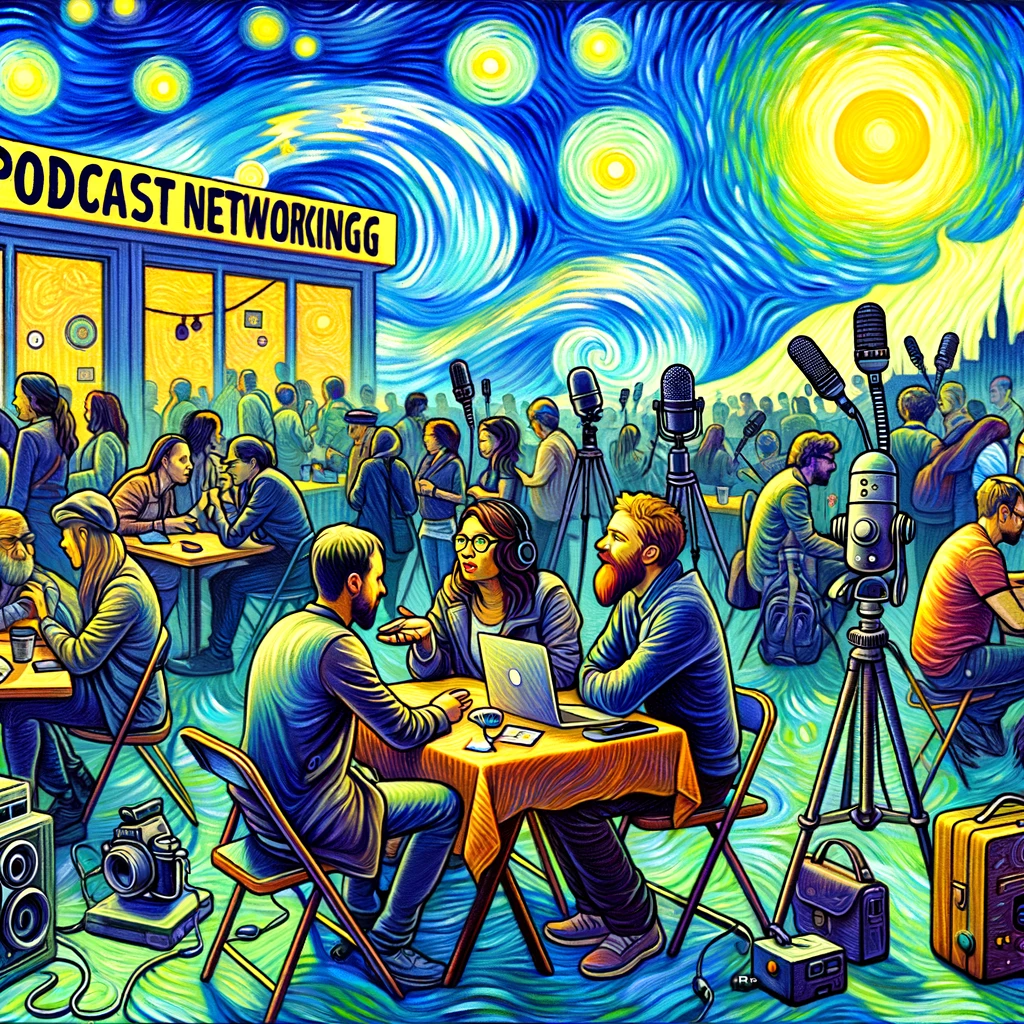
How Should I Promote My New Podcast?
What Platforms Can I Use To Host My Podcast?
So, you’ve decided to dive into the world of podcasting. Congratulations! You’re about to embark on a journey filled with endless possibilities, fascinating stories, and an audience eager to tune in. But before you can start recording your first episode, you’ll need to find the right platform to host your podcast. Fortunately, there’s no shortage of options out there, and each one brings its unique flavor to the table.
First up, let’s talk about Podbean. It’s like the Swiss Army knife of podcast hosting. With user-friendly interfaces and a buffet of features – from monetization options to analytics tracking – you can easily launch your podcast without navigating a labyrinth of confusion. If you’re looking for simplicity and effectiveness, Podbean might just be your golden ticket.
Next on the list is Libsyn, one of the original players in the podcast hosting world. This platform has been helping podcasters since the early days, and it shows. What’s particularly enticing about Libsyn is its robust distribution capabilities. With just a few clicks, your podcast episodes can find their way to iTunes, Spotify, and beyond. It’s like sending your podcast on a worldwide tour without ever leaving your home studio.
Then there’s Anchor. Picture this: a platform that not only hosts your podcast for free but also helps you create it. Anchor has taken the hassle out of production with built-in recording and editing tools. Plus, its intuitive interface makes it easy for anyone to start a podcast—no technical guru necessary. It’s a great choice for those just getting their feet wet.
We can’t forget about Buzzsprout, a rising star in the podcast hosting arena. What sets Buzzsprout apart is its analytics features, which provide insights into who’s listening to your content and when. Understanding your audience is key to producing engaging episodes, and Buzzsprout makes that process straightforward and accessible.
Finally, if you want to maintain full control over your content, consider using WordPress alongside a podcast plugin. WordPress gives you complete sovereignty, allowing you to customize every inch of your podcast’s presentation. With the right plugins, you can manage your episodes, host your audio files, and even integrate your podcast with a blog, amplifying your outreach.
In summary, choosing the right platform to host your podcast is like picking the best tools for a project—each one has its strengths. Whether you go for ease, control, or comprehensive analytics, the key is to find what resonates with you and your vision. Happy podcasting!

What Platforms Can I Use To Host My Podcast?
What Platforms Can I Use To Host My Podcast?
- Podcasting offers endless possibilities and an eager audience.
- Podbean provides a user-friendly interface with various features like monetization and analytics.
- Libsyn is one of the original podcast hosts, known for its robust distribution capabilities.
- Anchor allows free hosting and offers built-in recording and editing tools, ideal for beginners.
- Buzzsprout features advanced analytics to help podcasters understand and engage their audience.
- Using WordPress with a podcast plugin allows for complete control and customization of your content.
- Choosing the right platform depends on individual preferences for ease, control, and analytics.

What Platforms Can I Use To Host My Podcast?
How Can I Improve My Podcasting Skills Over Time?
If you’re looking to enhance your podcasting skills over time, you first need to roll up your sleeves and dive right in. Like any craft worth mastering, podcasting takes practice, patience, and sometimes a fair bit of humility. You might start with a podcast that covers a topic you’re passionate about, but that initial enthusiasm can quickly face the harsh realities of production and presentation.
The first piece of advice is to listen more than you talk. Tune into other podcasts that resonate with you. Pay attention to how the hosts engage their audience, structure their episodes, and develop themes. Take notes—good insights can often be found where you least expect them. If you hear a particular segment that makes you laugh or think, dissect it! What did the host do right? Was it the choice of words, the pacing, or perhaps a well-timed pause? Each episode you hear becomes a masterclass, guiding you on your own podcasting journey.
Next, embrace the art of storytelling. No one wants to hear a regurgitation of facts. The best podcasts weave narratives that captivate listeners. Start by finding your unique voice, and don’t shy away from your own experiences. Your story is what makes your podcast unique, and every anecdote contributes to a richer tapestry. Engage your audience with relatable stories, real emotions, and, when appropriate, a dash of humor. That connection is what keeps listeners coming back for more.
Now, let’s address the technical side of things. Don’t get overwhelmed by the tech—start simple. Invest in quality equipment that fits your budget, and learn the basics of audio editing. Clean sound and clear delivery can elevate your podcast significantly. There are plenty of online resources and communities that can provide guidance. Consider seeking constructive feedback from fellow podcasters or joining a podcasting group; being part of a community can expose you to different techniques and ideas.
Finally, remember that growth is a journey. Don’t expect to nail it with your first few tries. Each episode will bring new lessons, and with those lessons will come improvement. Embrace the process, stay curious, and keep experimenting. Your podcast may not be perfect at first, but with dedication and a healthy dose of resilience, you’ll find your stride. So get out there, tell your story, and keep refining your skills—one episode at a time.

How Can I Improve My Podcasting Skills Over Time?
How Can I Improve My Podcasting Skills Over Time?
- Jump in and practice podcasting; it requires patience and humility.
- Listen to other podcasts to learn about audience engagement and episode structure.
- Take notes on what works in other podcasts; dissect segments that resonate with you.
- Focus on storytelling; share relatable experiences and emotions to captivate listeners.
- Start with simple technology and invest in quality equipment that fits your budget.
- Seek feedback from fellow podcasters and join a community for support and ideas.
- Embrace the growth journey; learn from each episode and keep refining your skills.
How Can I Improve My Podcasting Skills Over Time?
Conclusion
As we wrap up this exploration into the world of podcasting, let me tell you, folks, jumping into this vibrant space might just be the best decision you make right now. With millions of podcasts already out there, it may feel a little daunting, but trust me, it’s a playground, and there’s room for you. You’ve got stories and passions just waiting to be uncovered, and no one is better equipped to tell them than you. Remember, authenticity is your secret weapon. Whether you’re sharing your unique hobbies or your expertise from years spent in a particular trade, your voice alone brings something fresh to the table.
Let’s not overlook the beauty of accessibility in podcasting. Gone are the days where you needed fancy studios or complex setups. You can grab a microphone and kick off your podcast from your living room or garage. It’s about tenacity, creativity, and a willingness to dive in headfirst. And let’s get real; not every podcast will hit the jackpot with millions of downloads. But the journey? It’s about honing your storytelling skills, discovering new perspectives, and engaging with an audience that resonates with what you love. The process itself can be invigorating, fostering connections you hadn’t anticipated.
Could it be said that your podcast might serve as a bridge—linking you to fellow enthusiasts around the globe? Absolutely! If you’ve got something you’re passionate about, no doubt, there’s an audience out there waiting to listen to your insights. So if you’ve been feeling a little out of sorts or craving that spark, hey, this could be the moment you’ve been waiting for—starting a podcast is your chance to share your journey, inspire others, and truly express yourself.
Before you know it, you’ll be refining your ideas, getting your tech skills in line, and crafting episodes that will keep listeners coming back for more. And as you explore the nuances of format, planning, and promotion, stay flexible—your podcast will evolve, just like you will. So go ahead, grab that mic, unleash your passion, and let’s make sure the world can hear your voice. Someone out there needs to hear your story, and perhaps, it’s time to let them in. Now, go forth, and happy podcasting!

Conclusion
Conclusion:
- Entering the podcasting space can be a rewarding decision with millions of existing podcasts creating a vibrant playground.
- Authenticity is key; your unique voice and experiences can provide fresh perspectives.
- Podcasting is accessible; you can start from home without fancy equipment or studios.
- The focus should be on the journey of storytelling, skill development, and audience engagement.
- Your podcast can connect you with like-minded individuals globally, making it a valuable platform.
- As you start, you’ll refine ideas, improve tech skills, and develop captivating episodes over time.
- Stay flexible as your podcast evolves, and remember your voice is important – share your story!.

Conclusion
Other Resources

Other Resources
Here is a list of other resources you can review online to learn more:
Use This Prompt To Get More Resources With Your Favorite Online AI Tool: Please provide me with a list of online articles with their URLs in a bulleted list that I can read regarding Can a Podcast Become Your New Passion Project Right Now?

Other Resources
Glossary Terms
Can a Podcast Become Your New Passion Project Right Now? – Glossary Of Terms
1. Podcast: A digital audio program available for streaming or download, often produced as a series on various topics.
2. Passion Project: A creative endeavor driven by personal interest and enthusiasm, often undertaken outside of regular work commitments.
3. Audiophile: A person who is enthusiastic about high-quality sound reproduction, often a consumer or creator of audio content.
4. Content Creation: The process of producing and distributing material, such as audio, video, or written word, that attracts and engages an audience.
5. Hosting: The act of delivering a podcast episode, where the host guides discussions, interviews guests, or shares information.
6. Script: A written outline or dialogue for a podcast episode, outlining what will be said or done.
7. Editing: The process of refining recorded audio to improve sound quality, flow, and coherence, often involving cutting out mistakes or irrelevant content.
8. Upload: The act of transferring podcast episodes to a hosting platform for listeners to access.
9. RSS Feed: A technology that allows podcast episodes to be automatically delivered to subscribers’ devices through podcast apps.
10. Monetization: The process of generating revenue from a podcast, which can include sponsorships, advertising, and listener donations.
11. Listener Engagement: Interactions between podcast creators and their audience, often including feedback, social media discussions, and community building.
12. Interview Format: A popular podcast style where the host interviews guests, allowing for diverse perspectives and insights.
13. Narrative Podcast: A storytelling-based format where episodes unfold a story or theme, often produced with more high-quality audio and sound effects.
14. Solo Podcast: A format in which one individual hosts the show—sharing their thoughts, ideas, or expertise without guests.
15. Podcast Network: A group of podcasts that are managed by the same organization or entity, often sharing resources and promotion.
16. Niche: A specialized focus or topic area within the podcasting world, catering to specific audiences or interests.
17. Call to Action (CTA): A prompt in a podcast episode encouraging listeners to take a specific action, such as subscribing, visiting a website, or leaving feedback.
18. Episode: An individual installment of a podcast series, often focusing on a specific topic or theme.
19. Podcasting Equipment: Tools required to produce a podcast, including microphones, headphones, audio interfaces, and recording software.
20. Show Notes: A written summary of a podcast episode that provides additional information, resources, and links related to the content discussed.
21. Transcription: The written record of spoken content from a podcast episode, often used to improve accessibility and SEO.
22. Podcast Directory: An online platform that lists podcasts, allowing users to discover and subscribe to new shows (e. g. , Apple Podcasts, Spotify).
23. Feedback Loop: A system where listeners provide suggestions or reactions that help podcast creators refine and improve future content.
24. Teaser: A short, enticing segment or preview of a podcast episode designed to hook listeners and encourage them to tune in.
25. Branding: The process of creating a unique identity for a podcast, including its logo, theme music, and overall aesthetic.
26. Promotion: Strategies employed to increase awareness and listenership of a podcast, including social media marketing and collaborations.
27. Live Podcasting: A format where episodes are recorded in front of a live audience, often resulting in spontaneous interaction and energy.
28. Podcast Analytics: Data collected about a podcast’s performance, such as download numbers, listener demographics, and audience retention.
29. Patreon: A membership platform that allows podcasters to receive financial support directly from their fans in exchange for exclusive content or perks.
30. Podcast Community: A group of listeners and creators who engage with each other, often through social media, forums, and live events, fostering a shared love for podcasting.

Glossary Of Terms
Other Questions
Can a Podcast Become Your New Passion Project Right Now? – Other Questions
If you wish to explore and discover more, consider looking for answers to these questions:
- What are the initial steps to starting a podcast?
- How do I choose the right topic for my podcast?
- What is the average cost of starting a podcast?
- How can I improve the audio quality of my recordings?
- What are some common mistakes to avoid when launching a podcast?
- How long should my podcast episodes be?
- How can I engage with my podcast audience effectively?
- What strategies can I use to grow my podcast audience?
- How often should I release new episodes?
- What are the best practices for editing podcast episodes?
- How can I monetize my podcast?
- Are there specific legal considerations I should be aware of in podcasting?
- How can I interview guests effectively?
- What tools can I use for podcast analysis and metrics?
- How can I maintain motivation while podcasting?

Other Questions
Haiku
Can a Podcast Become Your New Passion Project Right Now? – A Haiku
Passion’s voice unveiled,
Through stories shared and crafted,
Podcasts ignite dreams.

Haiku
Poem
Can a Podcast Become Your New Passion Project Right Now? – A Poem
In a world of voices, stories soar,
Millions of dreams, waiting at the door.
With a microphone close, let your passions ignite,
A podcast can blossom, sharing your light.
Every tale matters, each voice has a song,
Whether quirky pursuits or trade’s seasoned throng.
From garages and living rooms, your journey begins,
A spark turned to sound, let the magic spin.
Easy access awaits, no fancy estate,
Just courage and laughter, let your ideas curate.
Numbers may vary, but the joy is in play,
Engaging with listeners, connecting each day.
Craft your own niche, explore passions galore,
Dig deep into topics, enrich then explore.
Be it interviews, stories, or solo delights,
Let the format you choose shine through, bold and bright.
Plan with intention, like building a home,
Outlining thoughts, let your narrative roam.
Flexibility’s key, embrace paths unforeseen,
Authenticity captures, keeps your audience keen.
Promote with your heart, let your networks unfold,
Share your adventure, let the stories be told.
Join hands with creators, let spirits entwine,
A community thrives when the passion aligns.
So gather your tools, let excitement arise,
With patience and practice, soar to the skies.
Your skills will refine as your journey goes on,
In the realm of podcasting, your voice will live on.

Poem
Checklist
Can a Podcast Become Your New Passion Project Right Now? – A Checklist
Getting Started
_____ Identify your passion and what story you want to tell.
_____ Recognize that podcasting is accessible; you don’t need a fancy studio.
_____ Decide on a podcast format: interview, storytelling, solo, co-hosting, or documentary-style.
Equipment Essentials
_____ Purchase a quality microphone (e. g. , USB microphone like Blue Yeti or Audio-Technica AT2020).
_____ Buy closed-back headphones for clear monitoring.
_____ Choose user-friendly recording software (e. g. , Audacity, GarageBand).
_____ Select a reliable hosting platform (e. g. , Libsyn, Podbean, Anchor).
_____ Consider using pop filters and shock mounts for better audio quality.
_____ Keep note-taking equipment available for jotting down ideas.
Choosing Your Theme or Niche
_____ Reflect on your interests and passions.
_____ Research existing podcasts in your niche to identify gaps in content.
_____ Determine your target audience and what resonates with them.
_____ Assess your resources: time, expertise, and equipment.
_____ Be open to evolving your theme as your podcast develops.
Planning Your Episodes
_____ Define the backbone of your podcast theme.
_____ Outline each episode with main points as a flexible guide.
_____ Prepare questions in advance for guest features.
_____ Evaluate appropriate episode lengths and maintain high energy.
_____ Be flexible with your content; embrace natural tangents for authenticity.
Promoting Your Podcast
_____ Utilize existing networks, friends, and social media to spread the word.
_____ Collaborate with other podcasters for cross-promotion.
_____ Engage with listeners and solicit feedback.
_____ Consider creating an email newsletter for direct outreach.
_____ Explore local events or community radio for additional visibility.
Selecting a Hosting Platform
_____ Explore user-friendly options like Podbean, Libsyn, Anchor, or Buzzsprout.
_____ Look into WordPress for a customizable, fully controlled hosting experience if desired.
_____ Evaluate each platform’s features, analytics, and ease of use.
Improving Your Podcasting Skills
_____ Listen to a variety of podcasts to learn from different hosts.
_____ Emphasize storytelling and find your unique voice.
_____ Invest in quality equipment and learn basic audio editing.
_____ Seek constructive feedback and join podcasting communities to share and learn.
_____ Embrace the journey of growth; expect improvement over time and remain resilient.
Bonus Tips
_____ Regularly review your podcast’s progress and adapt your strategy as needed.
_____ Keep an organized schedule for episode releases and promotion.
_____ Celebrate milestones and acknowledge your growth in the podcasting journey.
Happy Podcasting! 🎙️

Checklist
At PodcastBig, we help people who want to learn about podcasting by collating information and news about podcasting.
Be sure to read our other related stories at PodcastBig to learn more about podcasting.