

Craft Unforgettable Stories That Keep Audiences Coming Back For More
By Tom Seest
At PodcastBig, we help people who want to learn about podcasting by collating information and news about podcasting.
Be sure to read our other related stories at PodcastBig to learn more about podcasting.
Build a Podcast Season Arc Listeners Can’t Stop Bingewatching
Building a podcast season arc that keeps listeners glued to their seats requires a unique blend of storytelling, emotional resonance, and deep connection. Think of it like crafting a fine quilt: each episode is a patch that, once sewn together, creates a larger narrative that warms the heart and sparks curiosity. When you understand the essence of what connects stories to listeners, you unlock the potential for binge-worthy content.
Start by considering your purpose. What do you want your audience to feel, learn, or debate? This is your North Star. Just like a riveting conversation over a cup of coffee, the best podcasts draw people in by reflecting on shared experiences. Remember, every listener has a story; your goal is to tap into that shared humanity by addressing universal themes that resonate deeply, whether it’s love, struggle, or triumph.
Think about the gut. Stories that punch you in the gut evoke emotions; they draw on the listener’s own experiences and challenges. Personal stories bring authenticity to your podcast. For example, share a moment of vulnerability from your own life—a mistake you made, a lesson learned in the trenches. Vulnerability builds trust, creating a kinship between you and your audience. They’ll stick around to see how your journey unfolds because it mirrors their own in unexpected ways.
Next is the head—the rational side. A well-planned season arc must have structure and cohesion. Outline your episodes progressively, leading listeners through a logical journey. Just as a great book provides twists and turns, your episodes should reveal layers, constructing a narrative arc that builds momentum. Each cliffhanger, unexpected guest, or shocking revelation should spark curiosity for what’s next, almost like the final moments of a gripping episode propelling one to click ‘next.’
Lastly, let’s not forget the ethical appeal. In today’s world, audiences crave authenticity and transparency. Be honest about your shortcomings and societal issues relevant to your podcast’s theme. Support your narratives with research and expert interviews that lend credibility to your points. This not only establishes authority but also aligns your podcast with the listeners’ values.
In essence, creating a podcast season arc that captivates involves weaving together emotional storytelling, rational structure, and ethical grounding. Engaging your listeners holistically transforms casual visitors into dedicated followers, eager for the next episode, fostering a community around shared narratives that resonate well beyond the last soundbite.

Build a Podcast Season Arc Listeners Can’t Stop Bingewatching
Build a Podcast Season Arc Listeners Can’t Stop Bingewatching
- Craft a podcast season arc using storytelling, emotional resonance, and connection.
- Identify your purpose to determine what you want your audience to feel, learn, or debate.
- Address universal themes that resonate, tapping into shared humanity.
- Incorporate personal stories and vulnerability to build trust and kinship with listeners.
- Establish a logical structure for episodes to create a cohesive narrative arc.
- Utilize cliffhangers and surprises to maintain curiosity and engagement.
- Ensure authenticity and transparency, supporting narratives with research and expert insights.

Build a Podcast Season Arc Listeners Can’t Stop Bingewatching
Table Of Contents
- Build a Podcast Season Arc Listeners Can’t Stop Bingewatching
- What Emotions Drive You to Listen to a Podcast?
- How Does Storytelling Impact Your Podcast Choices?
- What Topics Make You Feel a Connection to the Podcaster?
- How Do You Balance Entertainment and Information In a Podcast?
- What Makes a Podcast Relatable and Engaging for You?
- How Do You Choose Which Podcasts to Invest Your Time In?
- What Ethical Considerations Influence Your Podcast Subscriptions?
- Conclusion
- Other Resources
- Glossary Of Terms
- Other Questions
- Haiku
- Poem
- Checklist
What Emotions Drive You to Listen to a Podcast?
Podcasts have a remarkable way of reaching into our hearts and minds, drawing us into narratives that resonate with our own experiences. Think of a moment when you were feeling lost or overwhelmed. Maybe it was a long drive, a tedious household chore, or simply an evening spent in solitude. You reach for your phone, tap on that familiar app, and suddenly, the voices of strangers become your companions. It’s not just about the information; it’s about connection, understanding, and sometimes, a good laugh.
The beauty of a well-crafted podcast lies in its ability to engage not only our intellect but our emotions. A compelling story, a raw confession, or a moment of vulnerability can mirror your own trials and triumphs. For example, one episode may reflect the struggle of a creator fighting to break into a competitive industry. You listen, not just because of the facts shared, but because that story connects with your journey, echoing your own desire to overcome challenges. It’s this emotional resonance that transforms a mere soundbite into an experience that lingers, inciting hope or sparking inspiration.
Moreover, there’s an undeniable comfort in hearing someone articulate thoughts you’ve never been able to express. The authority that comes from a host or guest who has faced similar battles fosters trust. You begin to believe that you’re not alone. This connection, reinforced by storytelling and genuine emotion, invites you to lean into your own narrative and reflect on the choices that shape you.
Podcasts often shape our social landscapes too. They create communities—tribes of listeners who laugh, cry, and learn together, sparking conversations over coffee or at dinner tables. Sharing a recommended episode becomes a way to connect, to introduce friends to ideas that have captivated you or moved you to action.
The unique point here is that podcasts allow real-time processing of our feelings. As we listen, we engage in a dialogue not only with the speakers but also with ourselves. This introspection can drive us toward self-discovery. Much like a trusted friend sharing life lessons, podcasts can provoke thought and inspire change. They tap into the emotions that motivate us: the joy of learning, the thrill of discovery, and the importance of feeling understood.
So, next time you plug in your earbuds, remember: you’re not just filling silence; you’re setting the stage for a conversation that could very well change your perspective, ignite action, or even rekindle forgotten dreams.

What Emotions Drive You to Listen to a Podcast?
What Emotions Drive You to Listen to a Podcast?
- Podcasts engage listeners emotionally, creating a sense of connection and companionship.
- Well-crafted stories resonate with personal experiences, often reflecting listeners’ own struggles and aspirations.
- They provide comfort by articulating thoughts and feelings listeners may struggle to express themselves.
- Podcasts foster community among listeners, encouraging shared experiences and conversations.
- Listening to podcasts engages introspection, prompting self-discovery and personal growth.
- They provoke thought and inspire change by tapping into emotions and life lessons.
- Podcasts can transform everyday moments into meaningful conversations and reflections.

What Emotions Drive You to Listen to a Podcast?
How Does Storytelling Impact Your Podcast Choices?
Whether you’re commuting to work, prepping dinner, or winding down in the evening, podcasts have woven themselves into the fabric of modern life. Amidst this audio landscape, storytelling wields a powerful influence over our choices. When you hit play, you’re not just tuning into facts or opinions; you’re stepping into a world crafted by someone else’s experiences, emotions, and insights.
Imagine this: You’re stuck in a long drive, and the radio is a sea of static. Then, from the ether, a voice breaks through, sharing a tale about a butcher’s daughter turned chef, skillfully weaving together lessons learned amidst flour and failure. This narrative captures your attention, stirring something deep within—be it nostalgia for a homemade meal, respect for hard labor, or inspiration to follow your passion. That’s storytelling’s magic: it transforms mere information into an experience that resonates.
Podcasts built on strong narratives invite listeners to engage on multiple levels. They balance emotional appeal with rational insight, drawing us in with relatable characters and ethical dilemmas. Take, for instance, a podcast dedicated to environmental conservation. It might not just list statistics about pollution; it could share heartfelt accounts from individuals whose lives have been irrevocably altered by climate change. Through these personal stories, we don’t just feel; we understand. The facts become clearer, compelling us to reconsider our own choices with a newfound perspective.
Moreover, storytelling in podcasts builds a sense of community. When you listen to someone share their struggles or triumphs, it’s not just entertainment—it’s a reminder that we’re all navigating a complex world together. This shared humanity fosters a connection, instilling trust in the storyteller and their message. It becomes not just about the content, but about the shared journey of listeners, bound by shared experiences and emotions.
Now, consider the unique aspect of this experience: podcasts allow you to curate your own narrative. You choose what resonates with you—whether that’s a true crime saga, a motivational story, or humorous anecdotes. This personalization changes the dynamics of storytelling; it empowers you to reflect on your preferences and deepen your connection with the themes that speak to your heart and mind. This active participation shapes not just your podcast choices, but also your worldview and the way you interact with the stories we all carry.
Ultimately, the storytelling woven into your podcast selections affects not just how you consume content, but how you engage with the world around you. And therein lies the transformative power of a well-told story—capable of sparking action, invoking thought, and nurturing a community of listeners striving to connect through shared narratives.

How Does Storytelling Impact Your Podcast Choices?
How Does Storytelling Impact Your Podcast Choices?
- Podcasts have become integral to daily life, enhancing experiences during commutes, cooking, or relaxation.
- Storytelling in podcasts creates immersive experiences, transforming information into resonant narratives.
- Strong narratives encourage emotional engagement while delivering rational insights, such as personal stories related to environmental issues.
- Podcast storytelling fosters community by connecting listeners through shared human experiences and emotions.
- Listeners can curate their own podcast experiences, personalizing what resonates most with them.
- This personalization influences individual worldviews and interactions with various narratives.
- Ultimately, well-crafted stories in podcasts inspire action, provoke thought, and build a connected community of listeners.

How Does Storytelling Impact Your Podcast Choices?
What Topics Make You Feel a Connection to the Podcaster?
When you hit play on a podcast, what leads you to feel that strong connection with the voice in your earbuds? It’s more than the topics discussed; it’s the heart and soul infused into each episode, the stories shared that echo your own experiences. Maybe it’s the way the host talks about overcoming adversity, turning everyday challenges into triumphs. This shared humanity is magnetic, creating a bridge between you and the podcaster that feels personal and profound.
Consider a story about a job lost or a passion pursued. These aren’t just topics; they’re lifelines of relatability. When a host reflects on their own struggles or their delight in the unexpected joys of life, it resonates deeply. They’re not just sharing facts or interviews; they’re inviting you into a journey—one that mirrors your own. You hear the vulnerability in their voice, the triumph in their laughter, and it compels you to lean in, to listen closely.
Rational appeals play a crucial role too. Listeners often gravitate toward content that offers insight or expertise, whether that’s in professional development, health, or even quirky trivia. Let’s say the topic is about resilience in the workplace. Hearing about strategies backed by research not only fires up your intellect but also provides practical takeaways. You feel empowered to integrate these lessons into your own life, forming a connection based on shared growth.
Ethics also matter. A podcaster who discusses difficult topics—mental health, social justice, or environmental issues—while maintaining a respectful and balanced tone fosters a community driven by shared values. When a host takes a stand or opens up about their struggles, it calls on listeners to engage in a dialogue anchored by trust and authenticity.
The power of narrative cannot be overstated. In a world filled with noise, a compelling story can cut through the distractions. Picture this: a host recounting their first day at a new job—the nerves, the excitement, and the unexpected camaraderie with a fellow newbie. It’s a familiar scene that many can relate to, evoking memories of your own beginnings and forging a connection that goes beyond the screen.
Finally, consider the social aspect. A sense of belonging grows as listeners gather around common interests. You’re not just tuning in alone; you’re part of a larger conversation, a community brought together by shared passions and interests. This collective experience, fostered through authentic discussions, compels you to continue listening and participating.
In essence, it’s about weaving together personal stories, rational insights, ethical considerations, and a sense of community that transforms a simple podcast episode into a powerful connection, one that inspires you to engage, reflect, and act.

What Topics Make You Feel a Connection to the Podcaster?
What Topics Make You Feel a Connection to the Podcaster?
- Podcasts create a strong connection through heartfelt storytelling and shared experiences.
- Hosts discuss overcoming adversity, making topics relatable and personal.
- Rational appeals, such as expert insights, empower listeners with practical takeaways.
- Ethical discussions foster trust and community around difficult topics.
- Compelling narratives cut through distractions and resonate with listeners’ own experiences.
- A sense of belonging develops as listeners unite around common interests.
- The combination of personal stories, insights, and community enhances the podcast experience.

What Topics Make You Feel a Connection to the Podcaster?
How Do You Balance Entertainment and Information In a Podcast?
Balancing entertainment and information in a podcast takes a delicate blend of heart, head, and gut. It’s a dance that requires not just skill but authenticity—something that resonates with listeners when they hit play. The podcast landscape is vast, filled with voices vying for attention, and the challenge lies in weaving a narrative that informs while simultaneously engaging.
Imagine the podcast as a campfire gathering. You’ve got the warmth of the flames—that’s the entertainment, the stories, the laughter. It draws people in. People want to be entertained; they want to feel something. But a good storyteller knows that if the fire is just a source of amusement, it can flicker out. That’s where the logs of information come in, providing stability and depth. You can share a personal story about a time you faced a tough decision, perhaps an ethical dilemma, that’s relatable to your audience. They might not have gone through the exact situation, but the emotions behind it resonate. You spark a connection.
Emotion is a powerful tool, and it can be leveraged to create deeper understanding. Take your audience on a journey through your own experiences. Discuss a podcast episode that changed your perspective or one that presented a complex issue in a way that was both enlightening and entertaining. In doing so, you provide authority by sharing insights that come not just from research, but from personal exploration. Your passion for the topic reveals your authenticity, encouraging listeners to trust what you share.
But let’s not forget the gut, the visceral reactions that drive action. Incorporating these elements means striking a balance where your audience feels compelled to reflect on what they’ve just heard. Perhaps you discuss a societal issue while weaving in a light-hearted anecdote. This juxtaposition showcases the complexity of life—how humor can coexist with seriousness—engaging listeners on multiple levels.
Consider this: when a podcast strikes that perfect balance, it transforms from a mere auditory experience into a conversation, a shared moment. It invites listeners to think critically while also allowing them to laugh and connect emotionally. Inspire your audience not just to listen, but to act, to become part of the narrative you’re weaving together. In this intricate balance of entertainment and information lies the true magic of podcasting—creating spaces where ideas flourish, and connections deepen.
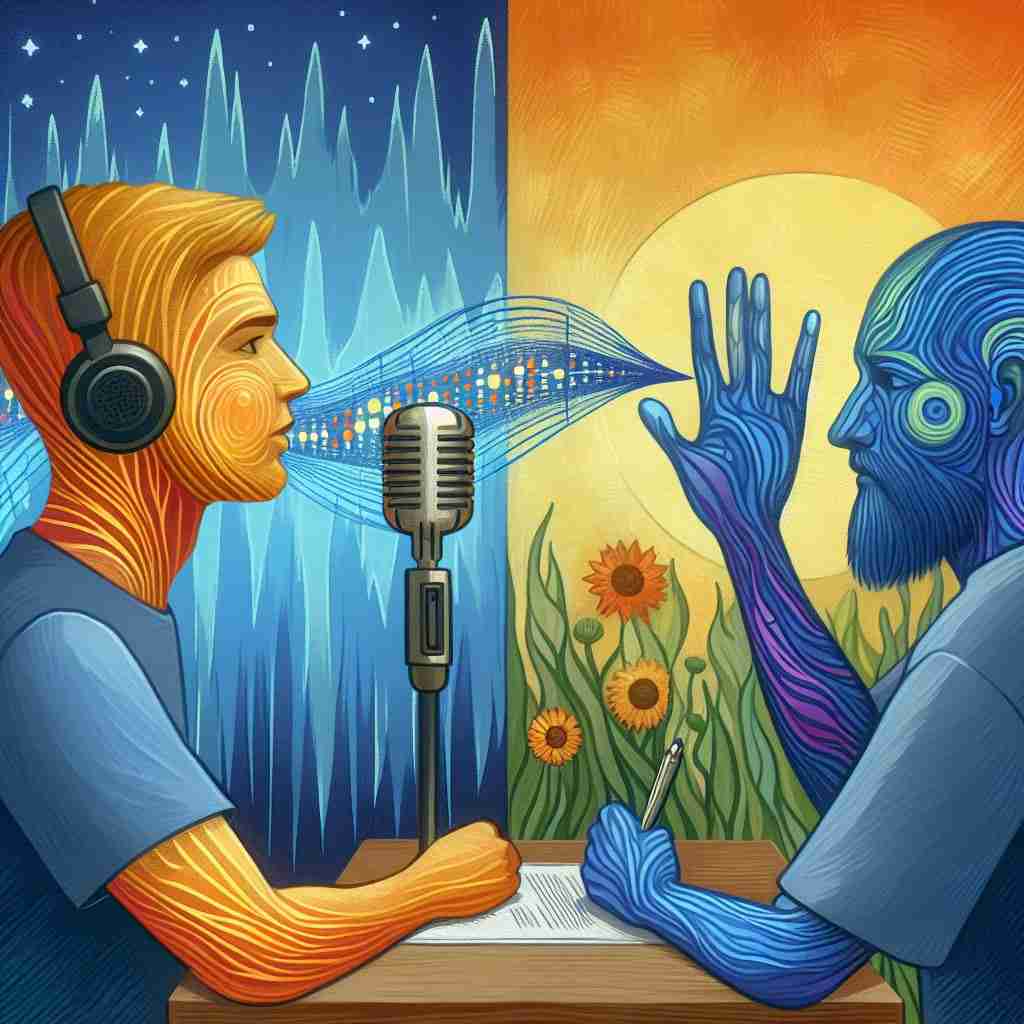
How Do You Balance Entertainment and Information In a Podcast?
How Do You Balance Entertainment and Information In a Podcast?
- Successful podcasts balance entertainment and information through heart, head, and gut.
- Authenticity resonates with listeners, enhancing engagement.
- Podcasts are likened to campfire gatherings, where stories create warmth and connection.
- Sharing personal narratives fosters relatability and emotional resonance.
- Leveraging emotions helps the audience gain deeper understanding and trust.
- Striking a balance between humor and seriousness engages listeners on multiple levels.
- The ultimate goal is to inspire listeners to reflect, connect, and take action.

How Do You Balance Entertainment and Information In a Podcast?
What Makes a Podcast Relatable and Engaging for You?
When you hit play on a podcast, you’re not just tuning in for information; you’re looking for a connection. The best podcasts don’t simply present facts; they create a space where listeners feel understood. It’s about the stories that resonate with you. Picture that friend who, over coffee, can weave a tale that captures the essence of life’s messy moments. They draw you in, make you laugh, and sometimes, evoke tears. A relatable podcast does just that.
First and foremost, authenticity matters. You want to hear voices that sound real, not polished to perfection. When the host shares their own missteps and challenges, it creates an immediate bond. It’s a reminder that we’re all in this chaotic journey together. For instance, imagine a host recounting their struggle to balance family life with career demands—something that hits home for anyone juggling multiple responsibilities. These candid moments make the content relatable and meaningful.
Next, engagement goes beyond storytelling. It’s about inviting listeners to reflect and participate. When a podcast poses thought-provoking questions, it transforms a passive experience into an interactive journey. Think of it this way: instead of simply being a spectator, you’re part of a larger conversation. A well-placed anecdote can make your gut churn, as it mirrors your own experiences, urging you to nod along in agreement or perhaps, prompting a shift in perspective.
Furthermore, the ethical dimension cannot be overlooked. Listeners crave honesty and integrity. When a podcast tackles difficult subjects, presenting multiple viewpoints with respect, it builds a sense of trust. You’re more likely to return if the content feels responsible and the host demonstrates genuine care for the topic and audience.
A novel approach to making a podcast engaging lies in the power of the collective experience. Think of how sharing a story from your own life can unveil universal truths, bridging diverse backgrounds. Let’s say a host narrates their encounter with a stranger on a bus who gives them life-changing advice. This isn’t just a personal victory; it signifies how each of us might find wisdom in unexpected places. It reinforces the idea that we’re all connected, pointing to the potential for shared growth through listening.
Ultimately, a podcast becomes relatable and engaging when it weaves together real stories, authentic voices, and heartfelt interactions. It fosters a sense of community that invites you to come back and see what’s next in the journey, knowing you’re not alone in navigating life’s complexities.

What Makes a Podcast Relatable and Engaging for You?
What Makes a Podcast Relatable and Engaging for You?
- Podcasts create a connection, providing stories that resonate with listeners.
- Authenticity is essential; hosts sharing personal struggles foster bonds with audiences.
- Engagement is enhanced through reflective and participatory conversations.
- Honesty and integrity in addressing difficult subjects build listener trust.
- Sharing personal experiences can reveal universal truths and connect diverse backgrounds.
- Engaging podcasts weave real stories and heartfelt interactions for relatability.
- A sense of community in podcasts encourages listeners to return for further exploration.

What Makes a Podcast Relatable and Engaging for You?
How Do You Choose Which Podcasts to Invest Your Time In?
Choosing which podcasts to invest your time in can feel like standing at the edge of a vast ocean, with waves of options crashing all around you. You want to dive in, but not every wave is worth riding. The best podcasts aren’t just about entertainment; they resonate on emotional, rational, and ethical levels, creating a tapestry that connects with the heart, head, and gut.
Start with the heart. Think about what stirs your passions—stories of resilience, tales of risk and reward, or explorations of everyday heroism. These narratives are like a campfire where you gather with friends, sharing tales that linger long after the flames fade. When a podcast resonates with your personal experiences, it’s as if the host is sitting beside you, sharing a deep conversation. Look for shows that evoke those feelings, that make you reflect on your own journey.
Next comes the head. Trust your intellect when selecting content. Is the information credible? Who is behind the podcast? Sometimes, the person speaking isn’t just giving you their take; they’re inviting you into a space of authority, armed with research or groundbreaking insights. The best podcasts challenge you to think critically, engage your curiosity, and expand your understanding of the world. Consider the credibility of the host—those who’ve walked the walk often provide the richest stories filled with wisdom and experience.
Don’t overlook ethics. Podcasts have the power to shape perspectives and enlighten listeners on pressing social issues. Seek out those that align with your values, fostering awareness and sparking conversations about real-world challenges. Engaging with these deeper topics can provide a sense of community, making you feel like part of a larger movement.
Finally, embrace the gut feeling. Sometimes, intuition guides you better than a chart. When a podcast captures your interest from the very first episode, it might be worth pursuing. Think of it like finding a treasure in an unexpected place; the discovery enriches your life, giving you unexpected insights and stories to share.
Choosing a podcast is akin to curating your personal library of experiences. Prioritize what resonates deeply, challenges your mind, and reflects your values. By doing so, you’ll create not just a playlist, but a collection of voices that inspire you, sparking growth and connecting you to others with similar passions. Embrace the journey. The right podcast can be a catalyst for change, not just for you but for everyone who listens.

How Do You Choose Which Podcasts to Invest Your Time In?
How Do You Choose Which Podcasts to Invest Your Time In?
- Select podcasts that resonate emotionally, rationally, and ethically.
- Focus on content that ignites your passions, such as stories of resilience and heroism.
- Evaluate the credibility of the podcast and its host for informed insights.
- Choose podcasts that challenge your thinking and expand your understanding.
- Engage with shows that align with your values and promote social awareness.
- Trust your instincts when a podcast captures your interest immediately.
- Curate your podcast selection as a personal library of enriching experiences.

How Do You Choose Which Podcasts to Invest Your Time In?
What Ethical Considerations Influence Your Podcast Subscriptions?
When it comes to choosing what podcasts to subscribe to, ethical considerations weigh heavily on many listeners, even if they don’t always articulate it. It’s more than just a matter of entertainment; it’s about connection and values. Think about it—every time you hit play, you’re inviting a voice into your life, one that has the power to influence thoughts, beliefs, and actions.
Consider the stories that resonate with you. Maybe it’s a podcast that features the journey of a blue-collar worker, sharing the grit and determination that come with the everyday grind. These aren’t just tales of struggle; they weave a narrative that reflects our shared human experience. When someone talks about overcoming adversity, it resonates—a reminder that while our paths may differ, the essence of hard work and perseverance is universal. Through these stories, we connect on a gut level, feeling the weight of their experiences and finding comfort in the common threads of our lives.
Now, let’s merge that emotional connection with the rational. Ethical considerations extend beyond surface-level preferences. It’s about supporting creators who align with your values. If a podcast promotes authenticity, ethical sourcing, or community engagement, it resonates with your principles. You’re not just listening; you’re actively participating in a movement, a community that shares your convictions. In this digital age, where every voice matters, the responsibility to curate content that reflects your beliefs is paramount.
Authority also plays a role in our choices. We’re drawn to voices that inspire trust, whether it’s through their expertise or their integrity. When a host speaks from a place of genuine experience, you can sense it—it creates a bond. This is where that elusive quality of relatability comes in. By sharing their lives, vulnerabilities, and triumphs, these hosts become more than just voices; they become trusted companions on our own journeys.
Social dynamics cannot be ignored, either. We’re influenced by our circles—friends recommend that podcast with engaging interviews or the one tackling tough social issues. Each subscription is like adding a new thread to the fabric of our lives, weaving together diverse perspectives and fostering a sense of belonging.
Ultimately, the ethical considerations influencing your podcast subscriptions are deeply woven into your values. You’re not just picking a show; you’re making a statement about what matters to you. In a world overflowing with choices, let your subscriptions reflect not just what you enjoy, but what you stand for, creating a listening experience that’s as meaningful as it is enjoyable.

What Ethical Considerations Influence Your Podcast Subscriptions?
What Ethical Considerations Influence Your Podcast Subscriptions?
- Listeners often consider ethical implications when choosing podcasts, impacting their connection and values.
- Podcasts showcase relatable stories, such as those of blue-collar workers, reflecting shared human experiences.
- Overcoming adversity in podcasts resonates universally, highlighting themes of hard work and perseverance.
- Supporting creators aligned with personal values enhances the listening experience and community engagement.
- Authority and trust in podcast hosts foster a deeper bond through relatability and shared experiences.
- Social influences, such as friends’ recommendations, shape podcast subscriptions and foster community belonging.
- Podcast choices make a statement about personal values and beliefs, enhancing both enjoyment and meaning.

What Ethical Considerations Influence Your Podcast Subscriptions?
Conclusion
Crafting a podcast that keeps listeners eagerly returning is akin to weaving a captivating tapestry where each thread represents a unique story. To engage your audience emotionally, it’s crucial to understand what drives them, much like shaping the fabric of a well-loved quilt. Consider the essence of connection; sharing personal stories can evoke the raw authenticity that binds us all. When hosts delve into their vulnerabilities, they inspire trust, inviting listeners to reflect on their own experiences.
The rational appeal is just as vital. Each episode should unfold in a structured, logical manner, guiding your audience through a well-defined narrative arc. Incorporating cliffhangers and unexpected revelations creates an air of anticipation, akin to the excitement that comes with the final moments of an exhilarating story. This layers the engagement, ensuring that listeners not only absorb information but feel compelled to continue the journey.
Ethically, today’s audience desires transparency and honesty. Discussing societal challenges while offering credible insights can build authority and foster alignment with listeners’ values. Your podcast should not just entertain; it should resonate ethically, encouraging dialogue around important issues that matter to your audience.
Storytelling is a powerful tool that shapes not only how we communicate but also how we connect. Podcasts with rich narratives transform mundane facts into memorable experiences, fostering a sense of community among listeners. They become more than just isolated individuals; they’re part of a larger conversation, sharing laughs, struggles, and triumphs along the way.
Lastly, don’t overlook the gut feeling that influences our choices. A podcast that resonates deeply with you doesn’t just engage your intellect; it strikes a chord within your very being. It’s about feeling understood and part of a collective experience. As each episode rolls on, these threads of emotion, reason, and ethics intertwine, crafting a captivating narrative that draws listeners back episode after episode.
Ultimately, successful podcasting is a harmonious blend of storytelling, emotional engagement, and ethical discourse that invites listeners to share in the journey, ensuring they don’t just listen but become part of a vibrant, interconnected community. This is the essence of a podcast that genuinely connects—one that speaks to the heart, engages the head, and resonates with the gut.

Conclusion
Conclusion:
- Crafting a podcast resembles weaving a captivating tapestry of unique stories.
- Understanding the audience’s emotional drivers is essential for engagement.
- Sharing personal stories invokes authenticity and builds trust with listeners.
- Each episode should follow a structured narrative arc with cliffhangers to maintain anticipation.
- Transparency and honesty foster alignment with audience values and build authority.
- Rich storytelling transforms facts into memorable experiences, creating a sense of community.
- Successful podcasting blends storytelling, emotional engagement, and ethical discourse to foster connection.

Conclusion
Other Resources

Other Resources
Here is a list of other resources you can review online to learn more:
- Podchaser
- Social Sales Link
- Spreaker
- PodUp
- Fountain
- Podcast Guru
- Apple Podcasts
- Jiosaavn
- Podcast Studio
- Audacity
- Mastodon
- Switcher Studio
- iHeartRadio
- Scoop.It
- Clarity.fm
- Discord
- Podcast Republic
Use This Prompt To Get More Resources With Your Favorite Online AI Tool: Please provide me with a list of online articles with their URLs in a bulleted list that I can read regarding Build a Podcast Season Arc Listeners Can’t Stop Bingewatching

Other Resources
Glossary Terms
Build a Podcast Season Arc Listeners Can’t Stop Bingewatching – Glossary Of Terms
1. Arc: The overarching storyline or theme that connects individual episodes in a podcast season.
2. Binge-Watching: The act of consuming multiple episodes of a podcast in one sitting due to engaging content.
3. Cliffhanger: A suspenseful event at the end of an episode designed to entice listeners to return for the next installment.
4. Episode Structure: The format in which each episode is organized, including introduction, main content, and conclusion.
5. Theme: A central topic or idea that unifies the episodes in a season, providing a consistent narrative thread.
6. Character Development: The process of evolving characters or hosts throughout the season, enhancing listener engagement.
7. Hook: An engaging introduction or element in the show that captures the listener’s attention quickly.
8. Pacing: The careful timing of content delivery to maintain interest and momentum throughout the season.
9. Listener Engagement: Strategies employed to involve the audience actively, including calls to action and interactive content.
10. Sound Design: The use of audio effects, background music, and soundscapes to enhance the storytelling experience.
11. Teaser: A brief preview of upcoming content meant to intrigue listeners and encourage them to continue following the season.
12. Interlude: Short segments or breaks in content that provide a change of pace or additional context without disrupting the flow.
13. Clarity: The quality of being easily understood, essential for maintaining listener interest and comprehension.
14. Narrative Arc: The progression of the story from introduction through conflict to resolution, keeping listeners invested.
15. Recurring Themes: Motifs that appear consistently throughout the season, reinforcing the overarching arc.
16. Transitions: Techniques used to smoothly change from one segment or episode to another.
17. Feedback Loop: The process of listeners providing responses, allowing creators to adapt content based on audience preferences.
18. Call to Action: A prompt encouraging listeners to engage further, such as subscribing, rating, or sharing.
19. Production Quality: The overall refinement of audio and editing, crucial for a professional and enjoyable listening experience.
20. Guest Appearances: Featuring varied voices or experts to bring fresh perspectives and enhance the show’s appeal.
21. Season Finale: The concluding episode that often delivers a resolution or significant twist, designed to leave a lasting impression.
22. Release Strategy: The planned schedule for releasing episodes, influencing listener habits and season engagement.
23. Digestibility: The ease with which content can be consumed, often relating to episode length and complexity.
24. Listener Personas: Profiles of target audience members used to guide content creation and engagement strategies.
25. Content Calendar: A schedule outlining episode topics and release dates to ensure organized and timely production.
26. Performance Metrics: Data collected to assess the success of a podcast season, including downloads, listener retention, and engagement rates.
27. Distribution Platforms: Channels used to share the podcast, such as Spotify, Apple Podcasts, or social media.
28. Sponsorships: Partnerships with brands that can provide financial support for the podcast while promoting products relevant to listeners.
29. Cross-Promotion: Marketing strategy where a podcast collaborates with other shows to reach wider audiences.
30. Audience Retention: The ability to keep listeners coming back for each episode, vital for the success of a binge-worthy podcast season.

Glossary Of Terms
Other Questions
Build a Podcast Season Arc Listeners Can’t Stop Bingewatching – Other Questions
If you wish to explore and discover more, consider looking for answers to these questions:
- What is the ideal number of episodes for a podcast season arc?
- How long should each episode be to maximize bingeing without losing attention?
- How do you plot episode-by-episode beats to build momentum?
- What techniques create effective cliffhangers that encourage listeners to play the next episode?
- How do you balance serialized story elements with standalone episodes?
- How do you test whether your season arc is resonating before full release?
- What metrics best measure bingeability and season engagement?
- How often should you release episodes during a season (weekly, daily, all at once)?
- How do you design a season opener that hooks listeners immediately?
- How do you design a satisfying season finale that still leaves room for future seasons?
- What role does episode sequencing play in emotional payoff?
- How much scripting versus improvisation produces the most authentic storytelling?
- How do you choose and structure guest interviews to serve the season arc?
- How much personal vulnerability is appropriate, and how do you protect privacy and safety?
- How do you research and verify facts while preserving narrative flow?
- What sound design and music strategies enhance emotional resonance without distracting?
- How do you maintain ethical standards when covering sensitive topics or real people?
- How should you handle controversial or divisive viewpoints in a season arc?
- How do you build and moderate community engagement tied to the season’s themes?
- What call-to-action strategies increase listener investment and retention?
- How do you monetize a binge-worthy season without undermining authenticity?
- How can you repurpose season content for social, video, or written formats?
- How do you use listener feedback and analytics to iterate on future seasons?
- How do you recruit and coordinate a production team for a narrative season?
- How much budget is typically required to create a high-quality season arc?
- What legal considerations (rights, releases, music licensing) must be handled up front?
- How do you ensure accessibility (transcripts, captions) to broaden your audience?
- How do you craft ethical and compelling sponsor integrations within a season arc?
- How do you balance emotional storytelling with factual, evidence-based reporting?
- How do you create recurring motifs or themes that bind episodes together?
- How do you decide when a topic is better suited for a limited season versus an ongoing show?
- How do you maintain pacing to prevent mid-season drop-off?
- How do you choose the right promotional strategy and timing for a season launch?
- How can A/B testing be used to refine episode titles, descriptions, and hooks?
- How do you select music and sonic branding that supports the season’s tone?
- How do you onboard and retain listeners who discover the show mid-season?
- How do you incorporate diverse perspectives and avoid echo chambers in your storytelling?
- How do you plan for and respond to negative feedback or ethical breaches in a season?

Other Questions
Haiku
Build a Podcast Season Arc Listeners Can’t Stop Bingewatching – A Haiku
Crafting a podcast arc,
Stories weave hearts, heads, and guts,
Voices unite us.

Haiku
Poem
Build a Podcast Season Arc Listeners Can’t Stop Bingewatching – A Poem
In a world of voices, stories vibrate,
We gather around, hearts open, no fate.
From laughter to tears, on each winding road,
Podcasts ignite, an emotional code.
Each tale a quilt, with patches of life,
Echoes of struggle, triumph over strife.
A butchers daughter, a journey unfolds,
In every confession, a shared truth behold.
With vulnerabilitys warmth, trust is bestowed,
Listeners lean in, as their stories explode.
Knowledge is power, yet emotions still soar,
Engaging the head, but the gut asks for more.
Truth and ethics, we seek in each phrase,
Voices of honor, through lifes multifaceted maze.
Communities form in the spaces we share,
Crafting connections, with genuine care.
So as you tune in, remember this thread,
You embrace not just sound but the lives they’ve led.
In storytellings embrace, we find our place,
Each podcast a journey, a heartfelt space.

Poem
Checklist
Build a Podcast Season Arc Listeners Can’t Stop Bingewatching – A Checklist
Emotional Appeals
✅______ Identify universal themes that resonate with listeners (love, struggle, triumph).
✅______ Include personal stories to evoke emotions and draw connections.
✅______ Share moments of vulnerability to build trust and authenticity.
Rational Appeals
✅______ Outline a clear season arc with a logical progression of episodes.
✅______ Incorporate cliffhangers and engaging twists to maintain curiosity.
✅______ Support narratives with credible research and expert interviews.
Ethical Appeals
✅______ Be transparent about shortcomings and societal issues related to your theme.
✅______ Align content with listener values and foster an environment of authenticity.
✅______ Encourage open discussions about relevant social issues.
Authority Appeals
✅______ Ensure hosts have expertise and experience relevant to the podcast topics.
✅______ Use credible sources of information and research to enhance authority.
✅______ Highlight guest experts to add diverse perspectives and enrich content.
Narrative Appeals
✅______ Weave compelling stories that create emotional connections with listeners.
✅______ Use relatable characters and anecdotes to enhance engagement.
✅______ Foster a sense of community through shared narratives and common experiences.
Social Appeals
✅______ Encourage listeners to share episodes and engage in discussions.
✅______ Create content that inspires social connection and community building.
✅______ Consider how the podcast fosters a collective experience among listeners.

Checklist
At PodcastBig, we help people who want to learn about podcasting by collating information and news about podcasting.
Be sure to read our other related stories at PodcastBig to learn more about podcasting.