

Transform Your Podcasting Voice: The Power Of Ai At Your Fingertips
By Tom Seest
At PodcastBig, we help people who want to learn about podcasting by collating information and news about podcasting.
Be sure to read our other related stories at PodcastBig to learn more about podcasting.
Best AI Voice Cloning Tools for Podcasters
In the rapidly evolving landscape of podcasting, the voice behind the mic can make all the difference. We all know that a great podcast doesn’t just share stories; it builds connections, evokes emotions, and transports listeners to new worlds. With the advent of AI voice cloning tools, podcasters now have the incredible opportunity to amplify their storytelling like never before. These tools go beyond mere replication; they encapsulate the very essence of a voice—its warmth, its cadence, its unique spark that can resonate with an audience.
Imagine sitting by a warm fire, listening to a familiar story unfold. It’s not just the words; it’s the way they flow, the nuances that bring life to even the simplest tales. Editing and producing a podcast can be time-consuming, but with voice cloning technology, those long hours spent in the studio can be streamlined. Picture a podcast host who, after crafting a compelling narrative, decides to recreate their voice to add depth to multiple segments without the exhaustion that often accompanies extensive recording sessions. Here, the AI doesn’t just clone a voice; it gives freedom and flexibility, allowing creators to focus on what truly matters—the heart of their content.
On the rational side, consider the accessibility that voice cloning brings to podcasters lacking the time or resources to record every episode. These tools can help maintain a consistent tone and style across episodes, reinforcing recognition and loyalty among listeners. Think of it as a reliable friend who always shows up to lend a hand. You can invite guests, enhance storytelling, or craft compelling intro and outro segments without losing your unique flair.
Ethically, it’s imperative to navigate this technology responsibly. Consent is key. A strong podcaster isn’t just a voice; they are the soul of their brand. Transparency with listeners about using AI can forge deeper trust. When listeners understand the technology behind the voice they love, they feel part of a shared journey rather than passive consumers.
So, whether you’re a seasoned podcaster or just starting out, exploring AI voice cloning tools can redefine your craft. Not just as a tool but as an extension of your passion. It allows you to connect, uplift, and inspire through every carefully crafted word in your podcast, creating a narrative that’s not only heard but felt deeply. Embrace this innovation, and watch your voice echo far beyond the confines of your studio.

Best AI Voice Cloning Tools for Podcasters
Best AI Voice Cloning Tools for Podcasters
- The voice behind the mic is crucial for effective podcasting, as it builds connections and evokes emotions.
- AI voice cloning tools enhance storytelling by encapsulating the essence of a voice, including its warmth and cadence.
- Voice cloning technology streamlines the editing and production process, reducing time spent in the studio.
- These tools provide freedom and flexibility, allowing podcasters to focus on content creation rather than extensive recording sessions.
- Voice cloning enhances accessibility for podcasters with limited time or resources while maintaining a consistent tone across episodes.
- Ethical use of voice cloning requires transparency and consent to build trust with listeners.
- Exploring AI voice cloning tools can redefine podcasting as an extension of creativity, fostering deeper connections with the audience.

Best AI Voice Cloning Tools for Podcasters
Table Of Contents
- Best AI Voice Cloning Tools for Podcasters
- What Makes an AI Voice Clone Sound Human and Authentic?
- How Can Voice Cloning Save Time for Podcasters?
- Are the Ethical Implications Of Voice Cloning Being Addressed?
- What Are the Best Features to Look for In Voice Cloning Software?
- How Do Top Podcasters Utilize AI Voice Cloning Effectively?
- Can Voice Cloning Enhance Storytelling In Podcasting?
- What Role Does Personal Branding Play In Using Voice Clones?
- Conclusion
- Other Resources
- Glossary Of Terms
- Other Questions
- Haiku
- Poem
- Checklist
What Makes an AI Voice Clone Sound Human and Authentic?
In a world where technology advances at breakneck speed, it’s easy to forget the essence of what makes us human—our voices. When you hear a voice that resonates, you’re not just listening to sound; you’re experiencing a story. The magic of AI voice cloning lies not just in mimicking sounds but in capturing the nuances, emotions, and authenticity that make human communication so rich.
Imagine listening to a podcast where the host doesn’t just deliver information but speaks from the heart, weaving personal anecdotes and relatable experiences into every episode. That connection—the laughter, the broken-hearted pauses, the moments of vulnerability—those are what draw us in. An effective AI voice clone mimics not only the timbre of the human voice but also the rhythm, intonation, and emotional inflections that convey sincerity. When you hear a clone that captures these layers, it feels less like an algorithm and more like a conversation with a friend.
Here’s where it gets interesting. Think about the stories that stay with you. Those are often wrapped around powerful narratives that tap into our shared experiences. An AI voice that integrates storytelling can transform mundane facts into engaging tales that resonate on multiple levels—intellectually and emotionally. Imagine an AI that can deliver your favorite podcast episode with the same warmth and authenticity as the original host. It invites not just recognition but connection.
Now, let’s confront the ethical dimension. As we embrace this technology, we must also reflect on our values. What makes an AI voice clone truly authentic is not just its ability to sound human but its responsibility to do so ethically. The integrity of voice cloning should aim to honor the individuals it emulates, ensuring that stories told through AI are done with transparency and respect. It’s about creating a space where technology enhances our humanity rather than undermines it.
Perhaps the key takeaway is this: it’s not just about the precision of sounds but the resonance of shared experience. An AI voice clone that can evoke genuine emotion creates an opportunity for deeper connections, bridging gaps across distances, and familiarizing us with stories that might otherwise remain untold. It’s about crafting moments that remind us of the power of communication—a way to feel heard, understood, and inspired to share our own stories in return. And in that, we find a piece of ourselves, amplified by the very technology that seeks to replicate our voices.

What Makes an AI Voice Clone Sound Human and Authentic?
What Makes an AI Voice Clone Sound Human and Authentic?
- Technology advances rapidly, often overshadowing the importance of human voices.
- AI voice cloning captures nuances, emotions, and authenticity, enriching human communication.
- Effective AI voice clones mimic not only sound but also rhythm and emotional inflections.
- Storytelling enhances engagement, transforming facts into relatable narratives.
- Ethical considerations in AI voice cloning emphasize responsibility and respect for individuals.
- Authentic AI voices foster deeper connections and evoke genuine emotions.
- This technology amplifies human experiences and encourages shared storytelling.

What Makes an AI Voice Clone Sound Human and Authentic?
How Can Voice Cloning Save Time for Podcasters?
In the world of podcasting, where every second counts and creativity fuels our engines, imagine a tool that allows creators to save time without sacrificing authenticity. Voice cloning does just that, transforming the daunting task of editing and recording into a streamlined process, giving podcasters their most precious commodity back: time.
Picture this: You’re knee-deep in the production of your next podcast episode. The equipment is set, and your ideas are flowing, but the thought of multiple takes and hours of post-production looms over you like a dark cloud. Enter voice cloning technology, a game changer that enables you to create high-quality voice tracks that sound remarkably like your own, or even that perfect guest you didn’t capture on tape. It’s like having a virtual assistant, but one that embodies your voice and style, empowering you to focus on the core of your content.
This isn’t just about efficiency; it’s about innovation. Imagine being able to produce supplemental materials, like promotional clips or social media snippets, without cracking open your microphone setup. Voice cloning allows for the seamless integration of your voice across various platforms. With a few keystrokes, you can generate promotional audio that resonates with your existing listener base, inviting them back for more, and reaching new audiences who might not have the time to dive into full-length episodes.
On an emotional level, consider how voice cloning can help capture the essence of stories that matter. From heartfelt narratives sharing personal experiences to stirring interviews that inspire change, this technology can ensure that your voice—the one that shares these moments—is heard clearly, even when the time isn’t there to re-record. It’s about making the message the hero, allowing your passion and dedication to shine through without getting bogged down by technical limitations.
Ethically, we dive into the conversation about authenticity and trust. While some might raise eyebrows at using cloned voices, the focus should remain on the creator’s integrity. Done right, this tool elevates your podcast, ensuring that your audience receives the quality content they expect, all while making the creative process more accessible to everyone.
The beauty of voice cloning lies in its potential to unite the podcaster’s vision with the listener’s experience, fostering a community that thrives on connection, relatability, and shared stories. Ultimately, by embracing such advancements, we can create a landscape where podcasters spend less time sweating the small stuff and more time crafting the narratives that resonate with us all.

How Can Voice Cloning Save Time for Podcasters?
How Can Voice Cloning Save Time for Podcasters?
- Voice cloning technology streamlines podcast editing and recording, saving time for creators.
- Enables creation of high-quality voice tracks resembling the creator’s or guest’s voice.
- Facilitates production of promotional materials without additional recording setups.
- Allows for integration of voice across various platforms, enhancing audience engagement.
- Captures the essence of important stories, ensuring they are shared effectively.
- Raises ethical considerations about authenticity while promoting creator integrity.
- Fosters community connection through relatable storytelling, enabling more time for narrative crafting.

How Can Voice Cloning Save Time for Podcasters?
Are the Ethical Implications Of Voice Cloning Being Addressed?
Are the Ethical Implications of Voice Cloning Being Addressed?
In a world where technology can replicate the very essence of our voices, it’s essential to ask: Are we, as a society, taking the ethical implications of voice cloning seriously? Imagine for a moment sitting in a coffee shop, your favorite podcast playing in the background, and hearing an all-too-familiar voice reciting stories that once shaped your understanding of the world. It’s comforting, yet it raises an eyebrow. Is what you’re hearing the original narrator, or a digital echo conjured by algorithms? This isn’t just a matter of tech jargon; it’s a deeply emotional and ethical conundrum.
Voice cloning technology holds tremendous potential. It can bring voices of the past back to life or help those who’ve lost their ability to speak. However, the power to imitate someone’s voice translates to the power to manipulate emotions and narratives—potent tools that can be employed for good or ill. Here’s the kicker: as we marvel at voice cloning, we also need to recognize the shadows of misinformation and identity theft it can cast. A podcast featuring the voice of an authority figure can sway opinions, just as easily as it can deceive.
Let’s put this into perspective. Picture a father who has passed away, but through voice cloning, his children can hear him read bedtime stories again. While the warmth of those stories can be a balm, the ethical dilemma arises: who owns that voice? Is it the technological creator or the family that experienced the love behind it? This situation exemplifies a dilemma we’re all invited into: what’s the cost of emotional comfort when it’s built on shaky ethical ground?
Moreover, society has a hand in this narrative. We must hold tech companies accountable, shaping the laws and ethical guidelines that govern voice cloning. It’s a community responsibility, cultivating a discourse that goes beyond headlines and sparks genuine empathy among listeners and creators alike.
Where does that leave us? The heart wants to connect, the head wants to ensure protection, and the gut calls for action. It’s a call to voice our concerns and advocate for transparency in this domain. By engaging in meaningful conversations, we can guide this technology towards a responsible future—one that respects both individual identity and collective empathy. Ultimately, we must strive for a balance that honors the voices of the past while protecting the integrity of the present.

Are the Ethical Implications Of Voice Cloning Being Addressed?
Are the Ethical Implications Of Voice Cloning Being Addressed?
- Voice cloning technology can replicate human voices, raising ethical concerns.
- It has potential benefits, such as bringing voices of the past back or aiding those who are unable to speak.
- The ability to imitate voices may lead to manipulation of emotions and narratives.
- There are risks of misinformation and identity theft associated with voice cloning.
- The ethical dilemma arises around the ownership of a cloned voice, especially in emotional contexts.
- Society must hold tech companies accountable and contribute to the creation of ethical guidelines for voice cloning.
- Engaging in meaningful discussions can help shape a responsible future for voice cloning technology.

Are the Ethical Implications Of Voice Cloning Being Addressed?
What Are the Best Features to Look for In Voice Cloning Software?
When we think about voice cloning software, our minds often jump straight to the technical prowess behind it. Yet, the best features go beyond algorithms and data. They tap into the very essence of what makes us human: connection, authenticity, and trust. Imagine a captivating podcast: it’s not just the topic that grabs your attention; it’s the speaker’s voice—a warm, inviting tone that resonates with your heart.
First, clarity and naturalness are paramount. A voice that sounds robotic can dampen even the most exciting content. Picture a podcast about overcoming obstacles, where the speaker’s voice echoes resilience and depth. You want to be moved, to feel the highs and lows as if the story is unfolding right beside you. Look for software that captures the nuances—inflections that convey emotion, laughter that feels spontaneous, and silences that prompt reflection.
Then, there’s the adaptability of the voice. The best software allows for a range of tones and moods, making it versatile enough to suit different narratives. Whether sharing a heartfelt story about a family member or stimulating a deep dive into an ethical debate, the ability to switch seamlessly between styles draws listeners in, making them part of the journey. Think of it as having a seasoned storyteller at your side, one who knows precisely how to pace the tale to keep you on the edge of your seat.
Crucially, ethical considerations must never be sidelined. Voice cloning should be like a conversation with a trusted friend: it’s powerful but must be handled responsibly. Transparency about the technology, its capabilities, and its limitations fosters trust. Such honesty not only builds a stronger rapport with your audience but also cultivates a community that values integrity in storytelling.
An original feature to consider is personal customization. This aspect resonates deeply on a human level. Imagine being able to infuse your own voice with unique characteristics, blending your narrative style with technological finesse. It’s akin to crafting a personal brand—a voice that isn’t just heard but felt, allowing for a potent emotional connection with listeners.
In essence, when exploring voice cloning software, choose features that resonate with your purpose. Make sure they inspire and engage, capturing not just the sound, but the very spirit of storytelling. Trust your instinct and aim for authenticity; after all, it’s the connection that turns mere words into lasting impressions.

What Are the Best Features to Look for In Voice Cloning Software?
What Are the Best Features to Look for In Voice Cloning Software?
- Voice cloning software should prioritize connection, authenticity, and trust over purely technical capabilities.
- Clarity and naturalness are essential; robotic voices can diminish content impact.
- Software should capture emotional nuances, inflections, and natural pauses to enhance storytelling.
- Adaptability in tone and mood is crucial for versatility in various narrative styles.
- Ethical considerations are important; transparency about technology fosters audience trust.
- Personal customization allows users to blend unique voice characteristics with technology.
- Choose features that inspire engagement and authenticity to create lasting impressions.

What Are the Best Features to Look for In Voice Cloning Software?
How Do Top Podcasters Utilize AI Voice Cloning Effectively?
In the dynamic world of podcasts, where authenticity reigns supreme, the advent of AI voice cloning is revolutionizing how top podcasters engage with their audience. Imagine you’re tuning into your favorite podcast, and the familiar voice you love, the one that feels like an old friend, is suddenly replaced by a perfectly replicated tone delivered in half the time. That’s the promise and peril of AI voice technology woven into the fabric of modern audio storytelling.
Consider the podcaster who thrives on deep, narrative-driven content. They craft intricate stories, blending facts with personable anecdotes that make listeners laugh, cry, and reflect. With AI voice cloning, they can preserve the essence of their voice, even if they’re under the weather or working in a different time zone. Take Sarah, for instance, a podcaster who uses AI to record her episodes when life gets hectic. Her audience never knows the difference, allowing her to maintain consistency—an essential element in building trust. The emotional connection is still intact, even when technology steps in.
Rationally, the logistics of podcasting can be daunting. Scheduling guests, managing production timelines, and maintaining a steady stream of content can lead creators to burnout. AI voice cloning eliminates some of these pressures, allowing podcasters to focus on what matters most: creating compelling stories that resonate. Imagine being able to generate fresh content or respond to your audience in real-time, all while resting assured that your voice—your brand—is still authentically represented.
Ethically, the use of AI in this context challenges creators to consider the value of their own voice. By leveraging this technology, podcasters can enhance accessibility, potentially reaching a wider audience through translations or different dialects, all while keeping their unique stamp. It’s an old principle—great power brings great responsibility—yet here lies an opportunity to democratize storytelling, to make diverse voices heard.
What’s unique is the community aspect AI fosters. Podcasters can collaborate across the globe without the hassle of logistical barriers. Content can flow seamlessly, allowing different voices to meld beautifully together, creating a richer tapestry of narratives. This interconnectedness breaks down walls and builds bridges that make our global community more intimate, one podcast episode at a time.
In this evolving landscape, top podcasters harness AI voice cloning to not only amplify their messages but also to deepen their connection with audiences. It’s about blending human creativity with technological innovation, ensuring that every voice—real or cloned—tells a story worth listening to.
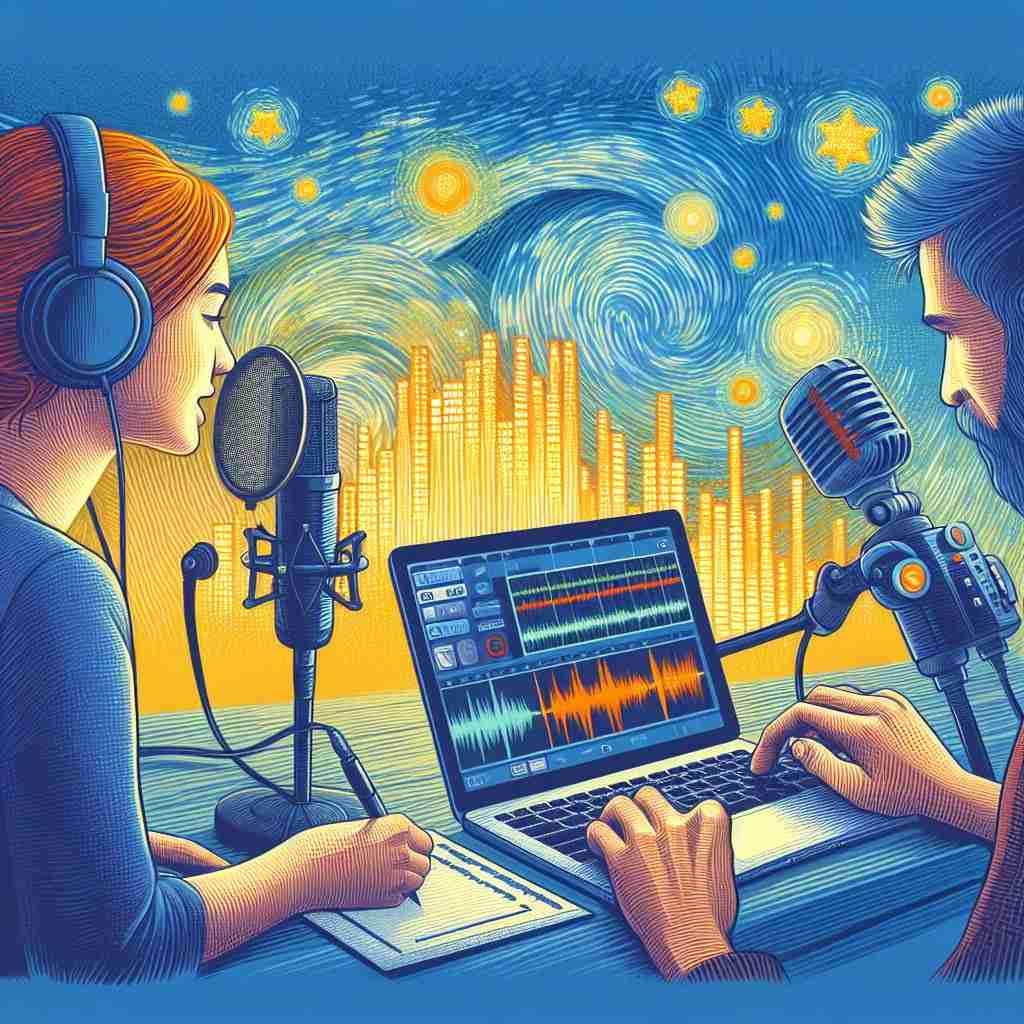
How Do Top Podcasters Utilize AI Voice Cloning Effectively?
How Do Top Podcasters Utilize AI Voice Cloning Effectively?
- AI voice cloning is transforming podcast engagement by maintaining familiar tones despite challenges.
- Podcasters can preserve their voice’s essence, even when facing personal obstacles like illness or time zone differences.
- AI technology alleviates logistical pressures, enabling creators to focus on compelling storytelling.
- Podcasters can generate fresh content and interact with audiences without losing their brand authenticity.
- Ethical considerations arise regarding the value of personal voice, but AI enhances accessibility and diverse storytelling.
- The community aspect of AI fosters global collaboration and seamless content creation among podcasters.
- AI voice cloning blends human creativity and technology, ensuring each story remains impactful.

How Do Top Podcasters Utilize AI Voice Cloning Effectively?
Can Voice Cloning Enhance Storytelling In Podcasting?
Imagine sitting around the campfire, surrounded by friends, sharing tales that transport you to another time and place. This is the essence of podcasting—an intimate journey where stories come alive through the power of voice. Now, consider voice cloning: a technological marvel that can replicate the human voice with striking accuracy. This innovation offers a fascinating opportunity to enhance storytelling in podcasting, making narratives even richer and more personal.
At first glance, voice cloning might seem like a cold, mechanical trick, stripping away the warmth of human connection. But let’s flip the script. What if voice cloning is a tool, not a replacement? Just as a seasoned storyteller might alter their tone to evoke feelings of joy or sorrow, voice cloning can help capture the essence of diverse characters within a story. With the right application, it can create an immersive experience that leaves listeners hanging on every word.
Consider the story of a podcaster who wanted to tell a family history but lacked the recordings of their great-grandmother’s voice. By utilizing voice cloning technology, the podcaster could recreate her voice, sharing her tales of resilience and courage in the face of hardship. Suddenly, listeners weren’t just hearing history; they were connecting with the very heartbeat of it. This act of resurrecting voices can create an emotional tether, bridging generations in a way that text alone never could.
Beyond nostalgia, voice cloning allows for exploration of diverse narratives that traditional storytelling might overlook. Imagine children hearing tales from different cultures, narrated by authentic voices that reflect their origins. This not only fosters a deeper understanding of global perspectives but also nurtures empathy among listeners, allowing them to appreciate the richness of the human experience.
Ethically, voice cloning opens up conversations about identity and authenticity in storytelling. It raises questions about ownership and representation but also holds the potential for empowerment. By allowing storytellers to amplify voices that have historically been marginalized, we create a platform where everyone has a seat at the table.
In this era of connection, podcasting has the power to weave together voices and stories in an unprecedented way. Voice cloning isn’t just a flashy gadget; it’s a gateway to a more profound storytelling landscape, inviting listeners to engage with narratives that resonate on emotional, rational, and social levels. Through this lens, we not only enhance the storytelling landscape but also create a collective tapestry of shared human experience.

Can Voice Cloning Enhance Storytelling In Podcasting?
Can Voice Cloning Enhance Storytelling In Podcasting?
- Podcasting is an intimate medium that brings stories to life through voice.
- Voice cloning technology replicates human voices with high accuracy, enhancing storytelling.
- It can serve as a tool for storytelling, adding emotional depth and character diversity.
- Recreating voices can connect listeners to historical narratives, bridging generational gaps.
- Voice cloning promotes the exploration of diverse cultures and narratives, fostering empathy.
- Ethical considerations include discussions on identity, ownership, and representation in storytelling.
- Ultimately, voice cloning enhances the podcasting landscape, creating a richer shared human experience.

Can Voice Cloning Enhance Storytelling In Podcasting?
What Role Does Personal Branding Play In Using Voice Clones?
In an age where technology continues to reshape how we connect, personal branding has emerged as not just a strategy but a necessity, especially with the rise of voice clones. Consider a podcast that makes you feel like you’re sitting beside the host in their garage while they share life’s rough edges and hard-won wisdom. That’s authenticity. When you use a voice clone, it’s essential to maintain that authenticity, lest you lose the soul of what makes your brand resonate.
The power of personal branding stems from human connection. It’s about being relatable and telling stories that matter. Remember that time a friend’s heartfelt tale about a seemingly mundane moment turned a gathering into a bonding session? That’s the magic of narrative. When your voice clone reflects your unique style and approach, it amplifies your story, forging connections with your audience that go beyond the ordinary. This isn’t just about technology; it’s about establishing an emotional resonance that keeps your listeners coming back for more.
A compelling personal brand establishes credibility. When your voice clone carries the weight of your experiences and values, it assures your audience that they’re hearing from someone who knows the ropes. It’s like wearing that well-loved flannel shirt: comfortable, familiar, and trustworthy. Your voice, even when mimicked, should evoke the essence of who you are, fostering trust and confidence among your followers. They should feel that you’re not just a façade but a real person sharing real insights.
Let’s touch on the ethical responsibilities that come with using voice clones. Imagine using a voice that’s not entirely yours, delivering messages that could be misinterpreted or misleading. This is where the heart of personal branding strikes back. Your brand should be a beacon, shining light on honesty and integrity. The stories you share should reflect your true self, making it essential to ensure that the voice clone aligns with your core values and ethics.
Finally, in today’s hyper-connected world, social proof has never been more vital. When your audience hears their favorite podcast episode and recognizes your voice, it creates a ripple effect of relatability. They’re not just passive listeners; they’re part of a community that understands your journey. Personal branding, when intertwined with the technology of voice cloning, becomes the bridge that allows strangers to feel like friends.
As we navigate this evolving landscape, remember: your voice—be it your own or a clone—must carry your essence. It’s the heartbeat of your brand, and it can transform listeners into a loyal community, anchored by trust, connection, and authenticity.

What Role Does Personal Branding Play In Using Voice Clones?
What Role Does Personal Branding Play In Using Voice Clones?
- Personal branding is essential in the age of technology and voice clones.
- Authenticity is crucial; using voice clones requires maintaining the essence of your brand.
- Personal branding fosters human connection through relatable storytelling.
- A strong personal brand establishes credibility and trust with the audience.
- Ethical responsibilities arise when using voice clones; align them with core values.
- Social proof enhances community engagement and relatability among listeners.
- Your voice, whether real or cloned, must embody your true self to build a loyal following.

What Role Does Personal Branding Play In Using Voice Clones?
Conclusion
In the vibrant world of podcasting, where storytelling and connection run deep, the rise of AI voice cloning tools is not just a technological breakthrough but a powerful opportunity for podcasters to enhance their craft. These tools capture the warmth, cadence, and unique spark that make voices resonate with audiences. Imagine a devoted podcaster brimming with ideas but grappling with the daunting task of recording multiple takes. With AI voice cloning, they can streamline their workflow, creating depth in their narratives without the weariness of extensive recording sessions. This technology offers freedom, allowing creators to focus on the heart of their stories while maintaining their distinctive voice.
Rationally, the accessibility of voice cloning is paramount. It provides solutions for podcasters who might lack time or resources, ensuring consistency across episodes. This reliability cultivates loyalty among listeners, akin to a friend who is always there to lend a hand. Then there’s the ethical dimension; transparency with audiences about AI’s role in crafting their favorite shows fosters trust. It invites listeners into a shared journey, making them feel active participants rather than passive consumers.
Voice cloning doesn’t just save time; it redefines how stories are told. Imagine the emotional charge of hearing a beloved voice retelling poignant family stories or cultural tales. Such innovations connect listeners to diverse narratives while emphasizing the importance of ethical storytelling—honoring the voices that are being replicated. As we harness the power of this technology, we must strive for a balance between innovation and responsibility, ensuring that the technology enhances rather than undermines the authenticity of storytelling.
At its core, voice cloning is about connection. It allows podcasters to serve as conduits for emotions, bridging gaps through shared experiences and amplifying voices that deserve to be heard. In doing so, it creates a rich tapestry that embodies the essence of humanity—our ability to hear, understand, and share stories. As this technology continues to evolve, it invites podcasters to embrace innovation with an ethical backbone, ensuring that every vocal echo resonates with the genuine heart of the storyteller. Embracing these tools is not just about adapting to change; it’s about transforming the landscape of podcasting, allowing voices to echo far beyond the confines of traditional boundaries. Ultimately, we craft stories not only to be heard but to create connections that inspire, uplift, and resonate.

Conclusion
Conclusion:
- The rise of AI voice cloning tools offers podcast creators a chance to enhance storytelling and connection with their audience.
- These tools capture the unique characteristics of voices, streamlining the recording process by reducing the need for multiple takes.
- Voice cloning technology ensures consistency and reliability, which helps cultivate listener loyalty.
- Transparency about AI’s role in podcasts fosters trust and involves audiences in a shared journey.
- Innovative storytelling is redefined, allowing emotional resonance through familiar voices recounting personal or cultural narratives.
- There’s a responsibility to balance innovation with ethical storytelling, honoring the voices being replicated.
- Ultimately, voice cloning strengthens connections among listeners, transforming podcasting and enriching the storytelling landscape.

Conclusion
Other Resources

Other Resources
Here is a list of other resources you can review online to learn more:
- Podcast Index
- Scoop.It
- NCH Software
- Podkicker
- Podcast Guru
- Breaker
- Google Business Profile
- Social Sales Link
- Amazon Music
- CarPlay
- Blubrry
- SquadCast
- r/podcasting
- Expertise.tv
- Audacity
Use This Prompt To Get More Resources With Your Favorite Online AI Tool: Please provide me with a list of online articles with their URLs in a bulleted list that I can read regarding Best AI Voice Cloning Tools for Podcasters

Other Resources
Glossary Terms
Best AI Voice Cloning Tools for Podcasters – Glossary Of Terms
1. AI Voice Cloning: Technology that uses artificial intelligence to replicate a person’s voice, allowing for the generation of speech that sounds like the original speaker.
2. Deep Learning: A subset of machine learning involving neural networks with multiple layers that can learn from large amounts of data.
3. Neural Network: A computational model designed to simulate the way the human brain analyzes and processes information.
4. TTS (Text-to-Speech): A technology that converts written text into spoken words using synthetic voices.
5. Training Data: The dataset used to train AI models, which helps improve their accuracy and performance when generating outputs.
6. Voice Sample: A recorded instance of a person’s voice used to train voice cloning algorithms.
7. Pitch: The perceived frequency of a sound, which can impact the quality and characteristics of the cloned voice.
8. Intonation: The rise and fall in the pitch of the voice, crucial for conveying emotion and meaning in speech.
9. Prosody: The rhythm, stress, and intonation of speech, important for natural sounding voice outputs.
10. Synthetic Voice: Artificially generated voice produced by AI systems, used in voice cloning and TTS applications.
11. Lip Syncing: The process of matching mouth movements in video with the corresponding audio, often used in voice dubbing.
12. Voice Morphing: Technology that alters a voice to sound like another while maintaining the original voice’s qualities.
13. API (Application Programming Interface): A set of rules that allows different software entities to communicate, often used to integrate voice cloning tools into applications.
14. Latency: The delay between an input (e. g. , text) being sent and the corresponding output (e. g. , speech) being produced.
15. Resolution: The level of detail in the voice output, affecting how natural and clear the spoken words sound.
16. Voice Over: The technique of providing narration or dialogue using a recorded voice for various media, including podcasts.
17. Binaural Sound: Audio that simulates how human ears perceive sound from different directions, enhancing the immersive quality of voice recordings.
18. Compression: A process of reducing the dynamic range of audio, which impacts how voice recordings are mixed and perceived.
19. Audio Editing: The manipulation of audio recordings, including cutting, rearranging, and adjusting sound levels.
20. Voice Bank: A collection of pre-recorded voice samples used in AI programs to synthesize speech.
21. Emotion Recognition: The ability of AI systems to identify and replicate emotional tones in speech.
22. Customization: The ability to adjust voice characteristics or styles to match specific requirements or preferences.
23. Synthesis: The creation of artificial speech by combining various elements of the trained voice models.
24. Voice Assistant: AI-driven software that utilizes voice recognition to perform tasks or provide information through spoken dialogue.
25. Multimodal Interaction: Engaging users through multiple forms of input and output, including voice, text, and visual elements.
26. Quality Assurance: The process of ensuring that voice cloning outputs meet specific standards in clarity and naturalness.
27. Adaptive Learning: A method of using AI to continuously improve voice cloning models based on user feedback and new data.
28. Clarity: The clearness of speech produced by voice cloning tools, affecting the intelligibility of the audio.
29. Integration: The incorporation of voice cloning technology into various applications, enhancing user experiences in podcasts and media.
30. User Interface: The means by which users interact with voice cloning tools, including visual components and controls.

Glossary Of Terms
Other Questions
Best AI Voice Cloning Tools for Podcasters – Other Questions
If you wish to explore and discover more, consider looking for answers to these questions:
- Which AI voice cloning tools are considered the best for podcasters right now?
- How do paid voice cloning services compare to free or open-source options?
- How much recorded audio is required to create a high-quality clone?
- How long does it take to train or generate a usable voice clone?
- How realistic and natural will the cloned voice sound in different contexts?
- Can a cloned voice convey emotion, sarcasm, or nuance reliably?
- How well do voice clones handle different speaking styles, accents, and dialects?
- Can voice cloning change a voice’s age, gender, or timbre convincingly?
- Is real-time voice cloning or live voice conversion feasible for streaming or live shows?
- What are the typical audio quality and format outputs (e.g., WAV, MP3) from these tools?
- How easy is it to integrate voice cloning with common DAWs and podcast workflows?
- Do voice cloning tools provide APIs or SDKs for automation and custom pipelines?
- What are the hardware or cloud resource requirements (CPU/GPU, latency) for production use?
- Are there offline/local voice cloning solutions for privacy-conscious podcasters?
- How are clones stored, secured, and protected against unauthorized use?
- What data privacy laws (GDPR, CCPA) affect voice data collection, storage, and use?
- Who owns the rights to a cloned voice—the creator, the subject, or the service provider?
- Do voice cloning services require signed consent forms, and what should those include?
- Can I legally clone a celebrity or public figure’s voice for my podcast?
- What commercial use restrictions typically apply to cloned voices?
- How do terms of service and licensing models differ across platforms?
- What ethical guidelines should podcasters follow when using voice clones?
- How should podcasters disclose the use of AI-cloned voices to their audience?
- Are there industry standards or certification programs for ethical voice cloning?
- How can listeners tell a cloned voice from an original recording?
- Do any services embed watermarks or metadata to identify AI-generated audio?
- What tools exist to detect or forensically analyze cloned or synthetic voices?
- How vulnerable are voice models to misuse, impersonation, or fraud?
- What safeguards do platforms offer to prevent unauthorized cloning of someone’s voice?
- Can a cloned voice be revoked or deleted if a subject withdraws permission?
- How do creators ensure continuity and consistency of a cloned voice across episodes?
- What are best practices for balancing authenticity and transparency with listeners?
- How can voice cloning improve accessibility for hosts or guests with speech impairments?
- Can voice cloning be used for translating or dubbing podcasts into other languages?
- How do cloning tools handle background noise, breaths, and mouth sounds?
- What post-processing features (EQ, compression, de-essing) are recommended for cloned voices?
- How much does voice cloning cost (subscription, per-minute, per-voice pricing)?
- Are there free trials or demos to test voice quality before committing?
- Which tools offer multi-voice packages or character voice creation for storytelling?
- How do cloning models update over time, and will my cloned voice require retraining?
- What are common failure modes or artifacts to watch for in cloned audio?
- How can podcasters test listener acceptance and measure audience reaction to cloned voices?
- Are there notable case studies or examples of podcasters using voice cloning successfully?
- What legal liabilities or insurance considerations should podcasters be aware of?
- How should podcasters archive and back up cloned voices and original source recordings?
- What troubleshooting steps help if a cloned voice sounds off or inconsistent?
Other Questions
Haiku
Best AI Voice Cloning Tools for Podcasters – A Haiku
AI voice clones speak true,
Echoes of hearts unite us,
Stories bridge the gap.

Haiku
Poem
Best AI Voice Cloning Tools for Podcasters – A Poem
In the podcasters realm, where voices entwine,
AI tools arise, a gift by design.
With warmth and with depth, they mimic the tone,
Transforming each tale, making stories their own.
A familiar sound flows like a river of lore,
Connecting our hearts as we listen and explore.
No longer confined by weariness or time,
Cloning voices brings freedom, allows passion to shine.
But with power comes caution; ethics must reign,
Consent and transparency, the core of the game.
For behind every echo lies a human soul,
A blend of technology, but compassion made whole.
In every podcast, let narratives rise,
With voices that bridge the distance, the skies.
From stories of joy to whispers of pain,
AI helps us remember what it means to be sane.
With respect for the past and a nod to the new,
We craft our connections, vibrant and true.
Voice cloning enriches the tales that we tell,
In the heart of each story, together we dwell.

Poem
Checklist
Best AI Voice Cloning Tools for Podcasters – A Checklist
Emotional Appeals
✅______ Connect with listeners: Ensure your voice clone captures the warmth and authenticity of your original voice.
✅______ Tell personal stories: Use voice cloning to recreate key moments in storytelling that evoke emotions.
✅______ Enhance narrative depth: Integrate layers of emotion in your content, maintaining the nuances of human expression.
Rational Appeals
✅______ Evaluate accessibility: Consider how voice cloning can streamline the production process and save time.
✅______ Maintain consistency: Ensure that the cloned voice maintains a similar tone and style across episodes.
✅______ Focus on content quality: Leverage voice cloning technology to enhance audio quality without compromising your message.
Ethical Appeals
✅______ Obtain consent: Clearly communicate to listeners when AI voice cloning is used and ensure transparency.
✅______ Respect authenticity: Choose voice cloning technology that aligns with your values and represents your authentic self.
✅______ Foster trust: Build a strong ethical foundation by being upfront about the technology’s capabilities and limitations.
Authority Appeals
✅______ Leverage expert opinions: Reference industry experts or proven success stories of effective voice cloning in podcasts.
✅______ Demonstrate credibility: Use your unique voice style, even in a cloned form, to establish authority in your niche.
✅______ Stay informed: Regularly update yourself on advancements in voice cloning technology to remain a credible source for your audience.
Narrative Appeals
✅______ Craft compelling stories: Use voice cloning to bring diverse narratives to life, making them relatable and engaging.
✅______ Bridge generational gaps: Utilize AI to resurrect historical voices or characters, connecting the past with present audiences.
✅______ Encourage shared experiences: Create narratives that resonate with collective human experiences to foster empathy.
Social Appeals
✅______ Build a community: Engage your listeners by ensuring that your voice remains familiar, even when using voice cloning technology.
✅______ Enhance collaboration: Use voice cloning to easily interweave different voices in collaborative projects, enriching the storytelling tapestry.
✅______ Encourage participation: Foster an interactive environment where listeners feel part of the narrative journey, strengthening their connection to your content.

Checklist
At PodcastBig, we help people who want to learn about podcasting by collating information and news about podcasting.
Be sure to read our other related stories at PodcastBig to learn more about podcasting.