

Maximizing Inclusivity In Podcasting
By Tom Seest
At PodcastBig, we help people who want to learn about podcasting by collating information and news about podcasting.
Be sure to read our other related stories at PodcastBig to learn more about podcasting.
Are Your Solo Episodes Alienating a Diverse Podcast Audience?
If you’re behind the mic, pouring your heart into solo episodes, you might feel like a cowhand on the open range—proud of every word you tether to your recording. But, amidst the joy of unfurling your thoughts, there’s a delicate dance required to connect with the diverse tapestry of listeners tuned into your podcast. The last thing you want to do is sound like a solo act in a crowded bar. Trust me; no one wants to feel like they’re sitting on the outskirts of a conversation they can’t quite join.
Let’s be honest: Many solo podcasters find themselves consumed by their expertise or experiences, crafting narratives that resonate with their own background. While there’s nothing wrong with drawing from personal tales—after all, authenticity can light a fire—what often gets left behind is that vibrant mix of voices, experiences, and perspectives that make a podcast truly sing. When your audience looks like a beautifully threaded quilt, pulling too tightly on any one stitch can alienate the very folks you’re trying to welcome into the fold.
Consider your language: Are you inadvertently tossing out jargon or references that might leave some scratching their heads? That insider baseball may seem harmless to you, but to a listener who doesn’t have the same frame of reference, it can feel like being locked out of an exclusive club. Aim to strike a balance; offer insights that invite curiosity rather than divide. Craft your solo episodes as if you’re having a conversation in a living room filled with friends from different walks of life. It’s all about inclusivity, folks.
Now, think about the stories you tell. Stories are the lifeblood of any podcast, but remember that not every story comes wrapped in a familiar narrative. Be bold in sharing narratives that highlight universality—those moments of triumph, struggle, and laughter can resonate across divides. Ask yourself: “What would my grandparent think? Or my neighbor down the street?”
Transform your podcast into a welcoming space, and watch as it blossoms into a flourishing community. Embrace your audience’s diverse backgrounds, engaging openly with their perspectives. With a little intention and a sprinkle of humility, your solo episodes can become a bridge rather than a barrier, inviting connection and inspiring a sense of belonging for all who listen.

Are Your Solo Episodes Alienating a Diverse Podcast Audience?
Are Your Solo Episodes Alienating a Diverse Podcast Audience?
- Solo podcasters should connect with diverse listeners rather than sound like a solo act in a crowded bar.
- While personal stories add authenticity, it’s important to include a mix of voices and perspectives in podcast narratives.
- Avoid using jargon or insider references that may alienate listeners without the same frame of reference.
- Craft episodes as if having a conversation in a living room to promote inclusivity.
- Share universally relatable stories that resonate across different backgrounds and experiences.
- Create a welcoming community by engaging openly with the audience’s diverse perspectives.
- With intention and humility, solo podcasts can foster connection and a sense of belonging among listeners.

Are Your Solo Episodes Alienating a Diverse Podcast Audience?
Table Of Contents
- Are Your Solo Episodes Alienating a Diverse Podcast Audience?
- What Challenges Do Solo Podcasters Face With Diverse Audiences?
- How Can Solo Podcasts Better Engage Underrepresented Voices?
- What Are The Common Pitfalls In Solo Episodes For Inclusivity?
- How Does Storytelling In Solo Episodes Impact Diversity?
- What Strategies Can Improve Solo Episode Relatability?
- Are There Specific Topics That Resonate Across Diverse Audiences?
- How Important Is Language In Reaching A Broader Podcast Audience?
- Conclusion
- Other Resources
- Glossary Of Terms
- Other Questions
- Haiku
- Poem
- Checklist
What Challenges Do Solo Podcasters Face With Diverse Audiences?
Ah, the world of podcasting—a vast ocean of voices, ideas, and stories just waiting to be explored. For those brave souls who dare to embark on this journey solo, the thrill of creativity mingles with a splash of uncertainty. When your audience consists of diverse backgrounds, perspectives, and tastes, it can feel akin to juggling flaming torches while riding a unicycle on a tightrope strung between two cliffs. Exciting, daunting, and just a bit nerve-wracking, wouldn’t you say?
Let’s talk about that challenge—one that’s as common as a cold cup of coffee at 3 A.M. when inspiration hits. It’s easy to get overwhelmed by the sheer variety of listeners tuning in to your podcast. One moment, you’re sharing a heartwarming story that might resonate with a gentle soul from the Midwest; the next, you’re diving into technical jargon that a Silicon Valley engineer would love but leaves a grandmother scratching her head. The trick isn’t to please everyone; after all, that’s about as achievable as herding cats. Rather, it’s about striking a balance—an art form, if you will.
In addressing this challenge, consider your content as a rallying point. Invite your diverse audience into the conversation. Pose open-ended questions and encourage feedback to gain insights into their perspectives and expectations. Let them know you value their input, and, in doing so, cultivate a community rather than a mere listener base. Listeners want to feel seen and heard. When they see their reflections in your podcast, trust blossoms, and confidence grows.
You might also think about context. A keen understanding of who your audience is can help frame your narrative. Incorporate stories that strike a chord with multiple demographics without sacrificing your authenticity. Crafting inclusive content doesn’t mean diluting your message; it means enriching it. Diverse stories, anecdotes, and viewpoints add layers to your podcast, making it more appealing to a broader audience.
So hop on that unicycle of yours, juggle those flaming torches, and don’t forget to enjoy the ride. Embrace the challenge of engaging with a diverse audience, and let it fuel your creativity. Your podcast is a unique tapestry woven together by every listener’s story, and each episode is an invitation to explore this beautiful complexity together.

What Challenges Do Solo Podcasters Face With Diverse Audiences?
What Challenges Do Solo Podcasters Face With Diverse Audiences?
- The podcasting world offers a diverse array of voices, ideas, and stories for exploration.
- Solo podcasters face the dual challenge of creativity and uncertainty in engaging a varied audience.
- It’s crucial to strike a balance between different audience perspectives rather than trying to please everyone.
- Encourage audience participation through open-ended questions and feedback to build community trust.
- Understanding your audience helps tailor content that resonates without losing authenticity.
- Inclusive content enriches the narrative by integrating diverse stories and viewpoints.
- Embrace the journey of engaging diverse listeners, allowing it to enhance creativity and connect with your audience.

What Challenges Do Solo Podcasters Face With Diverse Audiences?
How Can Solo Podcasts Better Engage Underrepresented Voices?
When you think of a podcast, what comes to mind? A couple of folks chatting over a cup of coffee about trending topics? Sure, that’s a popular format, but solo podcasts have the potential to unlock a different kind of brilliance—especially when it comes to amplifying underrepresented voices. We’re talking about a direct, unfiltered conversation between the host and listeners, where authenticity reigns supreme.
Now, you might wonder, “How does one person behind a mic truly resonate with diverse communities?” Well, let’s break it down. First and foremost, solo podcasting allows the host to dig into personal experiences without the filter of a co-host’s perspective. This authenticity fosters trust and creates a safe space for deep reflection. If you’re a storyteller, your journey, struggles, and triumphs become the paintbrush for a canvas that can speak directly to others in similar situations. By sharing nuanced narratives, you invite listeners into your world, creating an intimate atmosphere that resonates with those who might have felt marginalized or unheard.
It’s also crucial to understand that the beauty of solo podcasts is in their flexibility. Unlike traditional formats, you can pivot to topics that matter most to your community, addressing specific issues or celebrating unique cultures without the constraints of time or scripted banter. Want to shine a light on a story that’s been hidden in the shadows? Do it. Eager to explore something that might make some people uncomfortable? Lean into that. By doing so, you’re not just talking at an audience; you’re engaging in a conversation that embraces the diverse fabric of our society.
And let’s not overlook the importance of cultivating a community around your podcast. Encourage feedback, invite listener stories, and be open to dialogue. With each episode, you’ll create a sense of belonging—a circle of voices that have long waited for their moment in the sun. This organic connection reinforces the idea that your podcast isn’t just a series of monologues but a shared experience, a resource of empowerment for those who have felt excluded from typical narratives.
So, if you’re contemplating diving into the world of solo podcasting, remember this: each voice holds power, and your unique perspective could be the spark that ignites change and fosters understanding in a world that desperately needs it. Let’s get talking.

How Can Solo Podcasts Better Engage Underrepresented Voices?
How Can Solo Podcasts Better Engage Underrepresented Voices?
- Solo podcasts amplify underrepresented voices through direct and unfiltered conversations.
- Hosts can share personal experiences, fostering authenticity and trust with listeners.
- Sharing nuanced narratives invites listeners into an intimate atmosphere of connection.
- Solo podcasts offer flexibility to address community-specific topics without constraints.
- Engaging in uncomfortable or hidden stories allows for deeper conversations and exploration.
- Cultivating community around the podcast encourages feedback and shared experiences.
- Every voice has power, and individual perspectives can spark change and understanding.

How Can Solo Podcasts Better Engage Underrepresented Voices?
What Are The Common Pitfalls In Solo Episodes For Inclusivity?
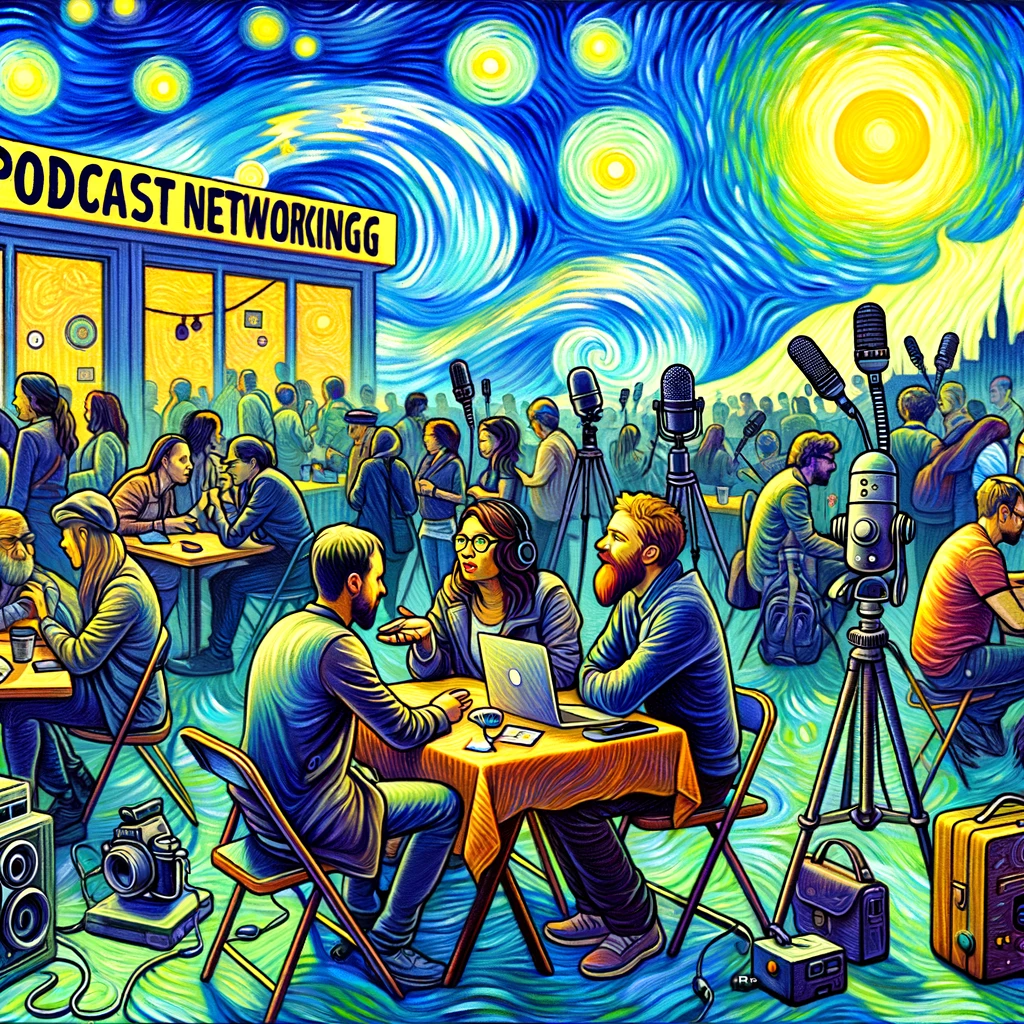
If you’ve ever tuned into a solo podcast episode, you know the unique allure it brings—intimate, informal, and often, deeply personal. But here’s the catch: an urge to connect can sometimes leave our message marred by blind spots, especially when we venture into the realm of inclusivity. Let’s take a moment to navigate these common pitfalls together, because acknowledging our missteps is the first step toward greater understanding.
The first pitfall? Assuming that your experiences reflect everyone else’s. We live in a diverse tapestry of lived experiences, but when we’re alone, it can be all too tempting to share our story as if it’s the universal truth. Avoid painting with broad strokes. Instead, invite your listeners into a conversation that acknowledges different perspectives. Every inch of your narrative can serve as a stepping stone to others, but be mindful not to sidestep their journeys.
Next, there’s the dangerous practice of speaking over marginalized voices. In a solo episode, your words can easily dominate the airwaves. While it’s great to share your insights, be sure to bring in quotes or stories from those who may not have the same platform. This doesn’t just add depth to your episode; it fosters a culture of mutual respect that your audience will appreciate.
Another misstep often encountered is the failure to provide context. If you dive into heavy topics without laying some groundwork, you risk leaving your listeners adrift. It makes it harder for those unfamiliar with the nuances of your discussion to fully grasp your intent. Take a moment to build a bridge, connecting your lived experience to the bigger picture, so everyone has a seat at the table.
Lastly, let’s talk about comfort zones. We often shy away from discussing difficult topics—race, gender, or socioeconomic status—out of fear. But vulnerability isn’t a sign of weakness; it’s an act of strength. Your willingness to tackle tough issues head-on can encourage others to do the same, creating a ripple effect of honest conversations.
In this podcasting journey, it’s vital to remain open to growth and learning. With every solo episode, you hold the power to inspire connection and forge inclusivity. Trust that your voice matters, and use it to uplift both your message and your community. Remember, we’re all in this together, and your journey has the potential to impact others in ways you may never know.
What Are The Common Pitfalls In Solo Episodes For Inclusivity?
What Are The Common Pitfalls In Solo Episodes For Inclusivity?
- Solo podcast episodes offer a unique and intimate listening experience but can lead to blind spots, especially regarding inclusivity.
- Avoid assuming that your experiences reflect everyone else’s; embrace diverse perspectives in your narrative.
- Be cautious of speaking over marginalized voices; incorporate their stories to foster respect and depth in your discussions.
- Provide necessary context when discussing heavy topics to help listeners grasp your intent and connect with the conversation.
- Confront difficult topics like race and gender; vulnerability is a strength that can inspire open dialogues.
- Remain open to growth and learning throughout your podcasting journey to foster connection and inclusivity.
- Your voice matters—use it to uplift your message and community, knowing your journey can impact others significantly.

What Are The Common Pitfalls In Solo Episodes For Inclusivity?
How Does Storytelling In Solo Episodes Impact Diversity?
In the evolving world of podcasts, solo episodes offer a unique canvas for storytelling, providing hosts with the opportunity to delve into the depths of their personal experiences and insights. Picture this: a solo podcaster, unencumbered by the back-and-forth of a typical interview, stands at the center of a narrative—much like a painter in front of a blank canvas. This is where the magic begins.
When hosts share their stories—whether they’re heartfelt, humorous, or downright harrowing—they create a space that welcomes all listeners. This personal touch can serve as a bridge to diverse perspectives, allowing audiences to connect not just with the content, but with the storyteller. Imagine listening to someone recount a childhood story that reveals not only their struggles but also their triumphs amidst adversity. Such accounts breathe life into experiences that many might find relatable, regardless of their backgrounds.
Solo episodes can draw from the rich tapestry of human experience. They invite guests in the form of memories and lessons learned, effectively weaving diverse threads into the fabric of the narrative. Here’s where diversity shines; different voices emerge, not just in the stories told but in the experiences shared. A host discussing their journey through a challenging job, for instance, can inspire listeners from all walks of life to embrace their own struggles with newfound vigor. This is the power of connection through storytelling.
Moreover, the art of solo storytelling challenges stereotypes and misconceptions. By shedding light on themes of resilience and authenticity, these episodes encourage listeners to embrace their narratives and share them with the world. The more varied the stories, the richer the dialogue becomes. This camaraderie fosters an environment where everyone feels invited to share their own journey, opening pathways for understanding and growth.
As we tune in to these vibrant solo narratives, we realize that each story not only entertains but also enlightens. Ultimately, storytelling in solo podcast episodes cultivates a sense of belonging, sparking a ripple effect of diversity that we call for in our society. So, let’s not just listen—let’s share, connect, and ensure that everyone’s story has a chance to be heard. After all, when it comes to storytelling, every voice matters.

How Does Storytelling In Solo Episodes Impact Diversity?
How Does Storytelling In Solo Episodes Impact Diversity?
- Solo podcast episodes allow hosts to delve deeply into personal experiences and insights.
- They create a welcoming space for listeners to connect with diverse perspectives.
- Listeners can relate to heartfelt, humorous, or harrowing stories, connecting with the storyteller.
- These episodes weave diverse experiences into rich narratives, inviting different voices to emerge.
- Solo storytelling challenges stereotypes and encourages listeners to embrace and share their own narratives.
- The variety of stories fosters camaraderie, inviting everyone to contribute to the dialogue.
- Ultimately, solo storytelling cultivates belonging and sparks a ripple effect of diversity in society.

How Does Storytelling In Solo Episodes Impact Diversity?
What Strategies Can Improve Solo Episode Relatability?
Let’s talk about solo episodes. They can feel like a high-wire act, can’t they? You’re out there without a safety net—just you and the mic—hoping your audience connects with whatever it is you’re putting out there. But fear not! There are plenty of strategies that can elevate your solo podcast episodes from mere monologues to engaging conversations that resonate with listeners.
First off, think about storytelling. Every listener has a story, and when you weave your own experiences into your podcast, you lay the groundwork for relatability. Share a personal anecdote that might mirror what your audience is experiencing. Maybe it’s a struggle you faced or a moment of triumph. The key is to be honest and authentic. This can create an unspoken bond; listeners will think, “Hey, I’ve been there, too.”
Next, embrace an interactive tone. Just because you’re the only voice in the room doesn’t mean you can’t engage your audience. Pose questions to them, like you would to a friend sitting across the table. “Have you ever wondered…?” or “What would you do in this scenario?” This invites listeners to ponder and engage with the content rather than passively absorb it. You’re not just speaking at them; you’re inviting them along for the ride.
Another vital strategy is to focus on emotions. Tap into feelings that are universal—joy, frustration, nostalgia. People connect through emotion. When you express your feelings about a topic, you give your audience permission to feel too. You can’t be afraid of vulnerability; it shows your audience you’re a real human being grappling with real-world issues, just like they are.
Consistency is also key. If your listeners know what to expect from your podcast, they’ll be more likely to stick around. Develop a signature style, whether that’s a catchy intro, a recurring phrase, or a unique way of approaching your topics. This gives your audience a sense of familiarity and comfort, making them more likely to engage with you episode after episode.
Lastly, don’t shy away from feedback. Encourage your listeners to reach out with their thoughts and experiences relative to your content. When they feel heard, they become more invested, and you craft a community built on trust and shared experiences.
So, as you prep for your next solo episode, remember: storytelling, interactivity, emotional connection, consistency, and feedback are your allies. With a little thoughtfulness and heart, you’ll not only keep the mic hot, but you’ll also create an environment where your audience feels seen and heard. That’s what makes for a truly outstanding podcast.

What Strategies Can Improve Solo Episode Relatability?
What Strategies Can Improve Solo Episode Relatability?
- Solo podcast episodes can feel daunting, akin to a high-wire act without a safety net.
- Incorporate storytelling to build relatability; share personal experiences that resonate with your audience.
- Use an interactive tone by posing questions to engage listeners as if they’re friends in conversation.
- Focus on evoking universal emotions, allowing your audience to connect by feeling the same way.
- Maintain consistency in your podcast’s style to provide familiarity and comfort for your audience.
- Encourage listener feedback to foster a sense of community and investment in your content.
- Utilize storytelling, interactivity, emotional connection, consistency, and feedback to create engaging solo episodes.

What Strategies Can Improve Solo Episode Relatability?
Are There Specific Topics That Resonate Across Diverse Audiences?
You know, folks, when we gather ’round the metaphorical campfire—whether it’s during a lively podcast or a casual dinner party—the air crackles with shared stories and experiences. It’s fascinating how certain topics seem to defy boundaries, uniting people from all walks of life in ways we might not expect. Think about it: authenticity, hard work, and the simple beauty of the everyday—these themes resonate universally, cutting through the noise like a hot knife through butter.
Take hard work, for instance. It’s a concept everyone understands. Whether you’re tuning in from a bustling city or out in the country, the idea that you have to roll up your sleeves and put in the effort to achieve goals is a sentiment that clicks. It’s been said that “hard work beats talent when talent doesn’t work hard.” This mantra bridges generations, cultural backgrounds, and even professional fields. When we engage in conversations swirling around dedication and perseverance, you’ll see heads nodding in agreement, no matter where folks hail from.
Then there’s the beauty of authenticity. In an age where filters and facades often reign supreme, we yearn for genuine connection. People crave truth—stories that peel back the layers and unveil the real, unvarnished side of life. It’s those moments of vulnerability that can make a podcast episode feel like a heart-to-heart with an old friend. When we share our true selves, regardless of our circumstances, we resonate with others. It turns out we all have hopes, dreams, and struggles that mirror one another, stretching across cultures and backgrounds.
And let’s not forget the simple joys of life—the laughter, the achievements, and even the triumphs over adversity. No matter where you are or who you are, everyone appreciates a good story about overcoming the odds or celebrating small victories. Such narratives remind us that life, despite its challenges, can often feel like a remarkable rollercoaster ride. They invite us to strap in and share our experiences, sidestepping the mundane and carving out a shared understanding.
So, as we dive into discussions that explore these universal themes, let’s remember that our backgrounds may differ, but the human experience binds us together. Stories of hard work, authenticity, and shared joys can open new doors of connection and understanding. And who knows? You might just find that spark of inspiration you never knew you were looking for.

Are There Specific Topics That Resonate Across Diverse Audiences?
Are There Specific Topics That Resonate Across Diverse Audiences?
- Gathering around the metaphorical campfire fosters shared stories and experiences.
- Certain universal topics like authenticity, hard work, and everyday beauty unite people across diverse backgrounds.
- Hard work is a universally understood concept, resonating with people regardless of their location or profession.
- “Hard work beats talent when talent doesn’t work hard” emphasizes the importance of dedication and perseverance.
- Authenticity is crucial in a world dominated by filters; genuine connections and vulnerability resonate with others.
- Simple joys and narratives of overcoming adversity remind us of life’s remarkable journey.
- Discussing universal themes fosters connection and understanding, revealing shared human experiences.
Are There Specific Topics That Resonate Across Diverse Audiences?
How Important Is Language In Reaching A Broader Podcast Audience?
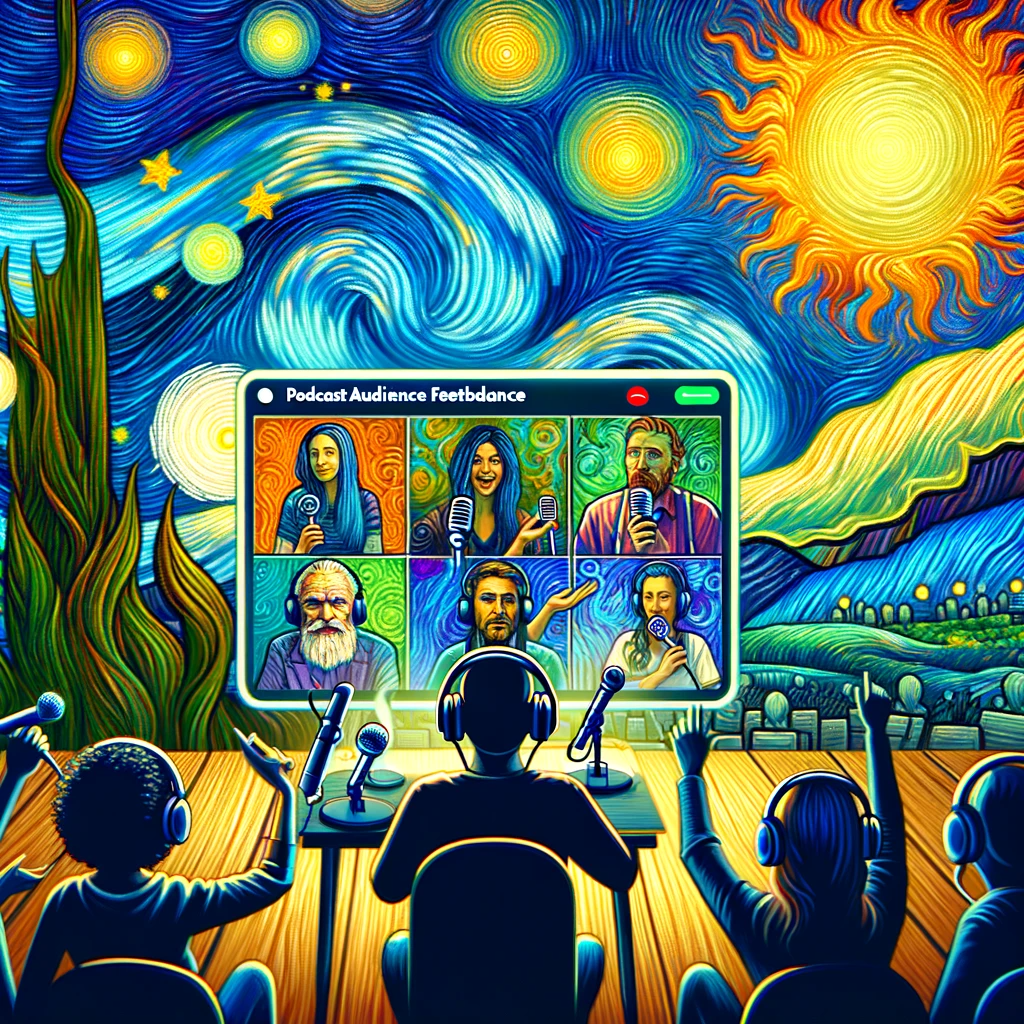
Let me paint you a picture. Imagine sitting around a campfire, the crackling warmth igniting stories that twirl up into the night sky. The language used here isn’t just the words; it’s the cadence, the inflection – the very rhythm that pulls you in. That’s the beauty of a podcast. You’re not just delivering information; you’re crafting an experience that invites listeners to lean in, hang on every word, and connect with your stories and insights.
Now, think about it: when you’re looking to reach a broader audience, language becomes your trusty toolkit. Here’s why. The words you choose create a bridge – or sometimes a barrier. You might have the most incredible topic brewing in your mind, but if it’s wrapped in complex jargon or your own regional dialect, you could alienate your potential listeners instead of embracing them. The goal is to build a community, a tribe, and that means opening the door wide enough for everyone to walk through.
When you produce a podcast, ask yourself: are you speaking the language of your audience? No, I’m not just talking about English, Spanish, or Mandarin. I’m referring to the spoken word that resonates deeply with your mission. Is your tone casual or formal? Comedic or serious? Should your audience feel as if they’re sharing a drink with you or perhaps attending a TED Talk? The mood connects people on an emotional level, transforming casual listeners into dedicated fans.
Consider this: the world is bursting with diverse stories from every corner. Language isn’t just a means of communication; it’s an invitation to partake in that richness. By incorporating various languages, dialects, or culturally relevant expressions, you broaden your appeal while honoring the uniqueness in every narrative.
So, what’s the takeaway? If you want to expand your podcast audience, you must embrace language as a bridge, not a wall. Whether you choose to incorporate a sprinkling of Spanish in your story, share local idioms, or make a conscious effort to simplify your language for clarity, every choice counts. The goal is to make every listener feel welcomed, understood, and valued – because when they do, they won’t just listen; they’ll engage, share, and return for more. That’s the real magic of podcasting at its best.
How Important Is Language In Reaching A Broader Podcast Audience?
How Important Is Language In Reaching A Broader Podcast Audience?
- Podcasts create an immersive experience, inviting listeners to connect deeply with stories.
- Language serves as a toolkit, influencing audience reach and connection.
- Complex jargon or regional dialects can alienate potential listeners.
- It’s essential to match the tone and style of your podcast to your audience’s preferences.
- Diverse stories from different cultures enhance podcast richness and appeal.
- Incorporating various languages and expressions can broaden audience engagement.
- Every language choice should aim to make listeners feel welcomed and valued, encouraging engagement and loyalty.

How Important Is Language In Reaching A Broader Podcast Audience?
Conclusion
Alright, folks, let’s wrap this up by reflecting on what it takes to make your solo podcast episodes resonate with a diverse audience. Picture this: you’re a solo act, standing in the spotlight, armed with your life’s stories and insights. You’re not just sharing for the sake of sharing; you’re reaching out to a fascinating mix of listeners—each with unique backgrounds, perspectives, and experiences. The last thing you want is to leave them feeling like they’ve been landed in a conversation they can’t quite penetrate.
First off, let’s talk about the balance between authenticity and inclusivity. It’s great to share your personal narratives—they light the way, but remember, your audience isn’t just a mirror for your life experiences. Your voice should invite listeners in, not push them away. Avoid the pitfalls of insider lingo or references that might alienate those who don’t share your context. It’s about crafting each episode as if you’re mingling with friends from various walks of life.
Now, storytelling is your secret weapon. When hosts share personal anecdotes rooted in universal themes—like hard work or resilience—listeners can find threads that connect them to the tale, regardless of their backgrounds. This shared humanity fosters understanding and creates a flourishing community, one that’s eager for more.
But that flow goes both ways. You’ve got to engage your audience in the conversation. Pose questions, invite feedback, and be open to the rich mix of perspectives that come your way. If listeners feel like active participants rather than passive recipients, trust and connection blossom.
And don’t shy away from covering those hard topics—race, gender, or socioeconomics—because tackling the uncomfortable can lead to powerful dialogue. When you show vulnerability, you not only open yourself up, but you also set a stage where others are encouraged to share their stories too.
In the end, folks, your podcast is more than just a collection of episodes; it’s a vibrant tapestry woven from diverse narratives, experiences, and emotions. So as you plan your next solo episode, embrace the complexities of your audience. Be conscious of the language you use; it can lift barriers or build walls. Keep your content relatable, and let every episode be an invitation for your audience to share in this beautifully complex world together. When you do, you won’t just have listeners—you’ll have a community ready to connect, share, and grow alongside you. Happy podcasting!

Conclusion
Conclusion:
- Reflect on how to resonate with a diverse audience in solo podcast episodes.
- Balance authenticity with inclusivity by avoiding insider language that may alienate some listeners.
- Use storytelling as a tool to share personal anecdotes rooted in universal themes.
- Engage your audience by posing questions and inviting feedback to foster active participation.
- Address difficult topics like race and socioeconomics to encourage open dialogue and vulnerability.
- Remember that your podcast is a tapestry of diverse narratives, experiences, and emotions.
- Focus on relatable content to invite your audience into a shared and complex world, building a community.

Conclusion
Other Resources

Other Resources
Here is a list of other resources you can review online to learn more:
Use This Prompt To Get More Resources With Your Favorite Online AI Tool: Please provide me with a list of online articles with their URLs in a bulleted list that I can read regarding Are Your Solo Episodes Alienating a Diverse Podcast Audience?

Other Resources
Glossary Terms
Are Your Solo Episodes Alienating a Diverse Podcast Audience? – Glossary Of Terms
1. Accessibility: The design of content that can be accessed and understood by people with various disabilities, including visual, auditory, and cognitive impairments.
2. Audience Demographics: Statistical characteristics of the podcast audience, including age, gender, ethnicity, and socio-economic status, which can affect content engagement.
3. Cultural Sensitivity: Awareness and respect for the differences in cultural practices, beliefs, and experiences, crucial for inclusive content creation.
4. Inclusivity: The practice of creating content that welcomes and represents diverse groups, ensuring everyone feels valued and respected.
5. Microaggressions: Subtle, often unintentional, discriminatory comments or behaviors that convey prejudiced attitudes towards a marginalized group.
6. Narrative Voice: The tone, style, and perspective used by the host in solo episodes, crucial for connecting with a diverse audience.
7. Representation: The inclusion of diverse perspectives and voices in content, ensuring that various cultures and experiences are represented.
8. Tokenism: The practice of including a minimal representation of underrepresented groups in content to give a false impression of inclusivity.
9. Engagement: The level of interaction and connection listeners feel with the podcast, influenced by the perceived relevance of content to their lives.
10. Stereotype: Oversimplified and generalized beliefs about a particular group that can be harmful; avoiding them is essential for inclusive content.
11. Empathy: The ability to understand and share the feelings and perspectives of others, necessary for addressing diverse audience needs.
12. Bias: A preconceived notion or prejudice that influences content creation, potentially alienating certain audience segments.
13. Feedback Loop: A system for gathering and responding to audience feedback, invaluable for understanding diverse listener experiences and preferences.
14. Authenticity: Being genuine and true to one’s voice and values while also considering the diverse identities of the audience, fostering connection.
15. Listener Identity: The personal characteristics, backgrounds, and values that influence how different listeners relate to the podcast content.
16. Content Diversification: The practice of varying topics and perspectives in episodes to better cater to a broad audience.
17. Emotional Resonance: The ability of content to evoke a strong emotional response, crucial for connecting with diverse audience members.
18. Cultural Appropriation: The inappropriate adoption of elements from one culture by another, often without understanding or respect, which can alienate listeners.
19. Inclusive Language: Language that avoids bias, acknowledges diversity, and seeks to include all groups fairly.
20. Community Building: Efforts made by podcasters to foster a sense of belonging and connection among their audience, often through engagement and interaction.
21. Intersectionality: A concept that recognizes how various social identities (race, gender, sexuality) intersect to shape experiences and perspectives.
22. Diversity: The presence of a wide range of different identities, experiences, and perspectives within the audience or content.
23. Narrative Framing: The way in which stories are presented, influencing how audiences perceive and relate to the content.
24. Listenership: The total audience that engages with the podcast, vital for understanding who is impacted by the content.
25. Call to Action: A prompt urging listeners to engage further (e. g. , sharing their stories, giving feedback), which can enhance inclusivity.
26. Content Relevance: The degree to which podcast content aligns with the needs, interests, and challenges faced by a diverse audience.
27. Social Responsibility: The obligation of podcasters to consider the impact of their content on society, especially regarding marginalized groups.
28. Cognitive Bias: Patterns of thought that can distort perception, leading to unintentional alienation of certain audience demographics.
29. Peer Review: A process of evaluation by other podcasters or experts aimed at improving content quality and inclusivity.
30. Soul Searching: Reflecting on one’s values, biases, and intentions as a creator, essential for ensuring alignment with diverse audience needs.
These terms can serve as a useful reference for podcasters looking to create more inclusive solo episodes that resonate with a diverse audience.

Glossary Of Terms
Other Questions
Are Your Solo Episodes Alienating a Diverse Podcast Audience? – Other Questions
If you wish to explore and discover more, consider looking for answers to these questions:
- What are some effective techniques for incorporating diverse perspectives in solo episodes?
- How can podcasters gather feedback from their audience to improve inclusivity?
- What impact does cultural sensitivity have on podcast content?
- What metrics should podcasters track to measure audience engagement and inclusivity?
- How can solo podcasters balance personal stories with the need for broader representation?
- What resources are available for podcasters to learn about diversity and inclusivity?
- How can solo podcasters create a sense of community among their listeners?
- What role does humor play in making a podcast more relatable to diverse audiences?
- In what ways can solo podcasters address critical social issues without alienating listeners?
- How does the length of an episode affect audience engagement across different demographics?

Other Questions
Haiku
Are Your Solo Episodes Alienating a Diverse Podcast Audience? – A Haiku
Voices intertwined,
Solo tales bridge diverse,
Unity through words.
Haiku
Poem
Are Your Solo Episodes Alienating a Diverse Podcast Audience? – A Poem
A Tapestry of Voices
In the realm of spoken dreams,
Solo podcaster’s heart gleams,
Yet beware the threads you weave,
For diverse listeners may grieve.
Alone upon the mic you stand,
Sharing tales with open hand,
But heed the dance, the gentle art,
That brings more voices to the heart.
A quilt unfolds; experiences wide,
Each stitch a story, side by side,
Pull too tight, and one may stray,
So, craft your words, invite them to play.
Outside this bar, don’t leave them out,
Embrace their laughs, echo their doubts,
For stories shared, in hues diverse,
Create a bond, an endless verse.
Juggling flames while seeking grace,
Navigating thoughts in this vast space,
Context matters, explore the feel,
To build those bridges, make truths real.
With honesty, paint your tale,
Under the skin, let true hearts sail,
And when the talk gets tough and raw,
Show strength to spark the needed awe.
The language you choose is a guiding light,
To open doors, both day and night,
A friendly tone can break the ice,
While whimsical words can entice.
Let listeners’ stories shape the sound,
Invite their voices, let love abound,
In a circle of trust where each can share,
The tapestry grows, woven with care.
So, in this dance of art and song,
Remember: invites are where we belong,
Every voice matters, let each be heard,
Together we’ll weave the world with words.

Poem
Checklist
Are Your Solo Episodes Alienating a Diverse Podcast Audience? – A Checklist
Checklist: Maximizing Inclusivity in Your Solo Podcast Episodes
Language and Communication
_____ Use Clear Language: Avoid jargon or overly complex terms that may alienate some listeners.
_____ Incorporate Diverse Dialects: Use expressions or phrases from various cultures to resonate with a broader audience.
_____ Choose Tone Wisely: Decide whether your tone should be casual, formal, humorous, or serious based on your target audience.
Storytelling Techniques
_____ Share Personal Experiences: Relate your own stories that may parallel your audience’s experiences for authenticity.
_____ Highlight Universal Themes: Focus on themes such as hard work, authenticity, and shared joys that resonate across diverse backgrounds.
_____ Invite Multiple Perspectives: Acknowledge different stories and experiences to provide a richer narrative.
Engagement Strategies
_____ Pose Open-Ended Questions: Encourage listeners to engage with your content by asking questions throughout the episode.
_____ Encourage Feedback: Invite listeners to share their thoughts or experiences related to your content to foster a sense of community.
_____ Create a Conversational Atmosphere: Aim to make your podcast feel like a friendly discussion rather than a lecture.
Building Connection
_____ Acknowledge Your Audience: Recognize and appreciate the diverse backgrounds of your listeners in your narratives.
_____ Share Quotes or Stories from Others: Include insights or narratives from underrepresented voices to enrich your content.
_____ Maintain Vulnerability: Don’t shy away from emotional topics; your willingness to be open fosters trust and relatability.
Consideration of Context
_____ Provide Background Information: Ensure that heavy topics are clearly framed for listeners unfamiliar with the context.
_____ Embrace Difficult Conversations: Approach tough subjects like race or gender head-on, turning them into opportunities for dialogue.
_____ Connect Your Experiences to Larger Issues: Help your audience see the relevance of your personal journey to broader societal themes.
Consistency and Familiarity
_____ Develop a Signature Style: Create a recognizable format or theme for your episodes to enhance familiarity.
_____ Be Consistent with Content: Regularly produce episodes that align with your audience’s expectations while staying true to your message.
By utilizing this checklist, you can enhance the inclusivity of your solo podcast episodes, engage a wider audience, and foster a sense of belonging among listeners from diverse backgrounds.

Checklist
At PodcastBig, we help people who want to learn about podcasting by collating information and news about podcasting.
Be sure to read our other related stories at PodcastBig to learn more about podcasting.