

Discover Your Creative Potential Through Podcasting
By Tom Seest
At PodcastBig, we help people who want to learn about podcasting by collating information and news about podcasting.
Be sure to read our other related stories at PodcastBig to learn more about podcasting.
Are You Ready to Unleash Your Creativity with a Podcast Venture?
Every great journey begins with that first step, and in the world of creativity, a podcast can often serve as a powerful springboard. If you’ve got a story to tell, an idea to share, or a passion that ignites your soul, then let’s dive into the exhilarating and unpredictable waters of podcasting.
Imagine a platform where your voice can echo beyond the confines of your living room. With a podcast, you have the tools at your disposal to reach out and touch the minds of listeners across the globe. But before you hit that record button, it’s essential to ask yourself: Are you ready to unleash your creativity with a podcast venture?
At its core, a podcast is more than just a collection of audio files; it’s an art form—a canvas for your thoughts and ideas. Whether you’re interviewing fascinating guests, narrating personal anecdotes, or dissecting a niche topic that lights you up, the possibilities are boundless. And truth be told, the only limit is your imagination. Each episode is a blank slate waiting for your unique flair and perspective.
Now, let’s talk about the mechanics. Sure, you’ll need some basic gear—a decent microphone, some editing software, and perhaps a quiet space to record. But beyond the technicalities lies the process of shaping your content. How will you engage your audience? What format will you choose? Solo commentary, panel discussions, or storytelling with a twist? This part is where your creativity really gets to shine.
In crafting your podcast, think about what resonates with you and how you can share that passion authentically. Don’t be afraid to get a little messy—embrace the imperfections; they often lead to the most memorable moments. The beauty of this medium lies in its simplicity: you’re communicating your thoughts, unfiltered and raw. It’s a real conversation, a connection—an opportunity to share pieces of yourself with the world.
So, if you’re sitting there wondering whether to take that plunge, ask yourself: What’s holding you back? Fear? Doubt? The idea of failure? Remember, every master was once a beginner. Grab your mic, gather your thoughts, and prepare to dive into the ever-expanding ocean of podcasting. You just might surprise yourself with what you can create. After all, your authentic voice deserves to be heard, so don’t hold back. Go on, take the leap—your podcasting adventure awaits!

Are You Ready to Unleash Your Creativity with a Podcast Venture?
Are You Ready to Unleash Your Creativity with a Podcast Venture?
- Every creative journey starts with the first step; podcasting can be a powerful launchpad.
- A podcast allows your voice to reach listeners globally, expanding your storytelling potential.
- A podcast is an art form, serving as a canvas for unique ideas and perspectives.
- Basic equipment needed includes a decent microphone, editing software, and a quiet recording space.
- Engaging your audience and choosing the format (solo, panel, storytelling) are essential steps in the content creation process.
- Embrace imperfections; they can lead to the most memorable moments in your podcast.
- Overcome fears and doubts—every expert started as a beginner; your authentic voice deserves to be heard.
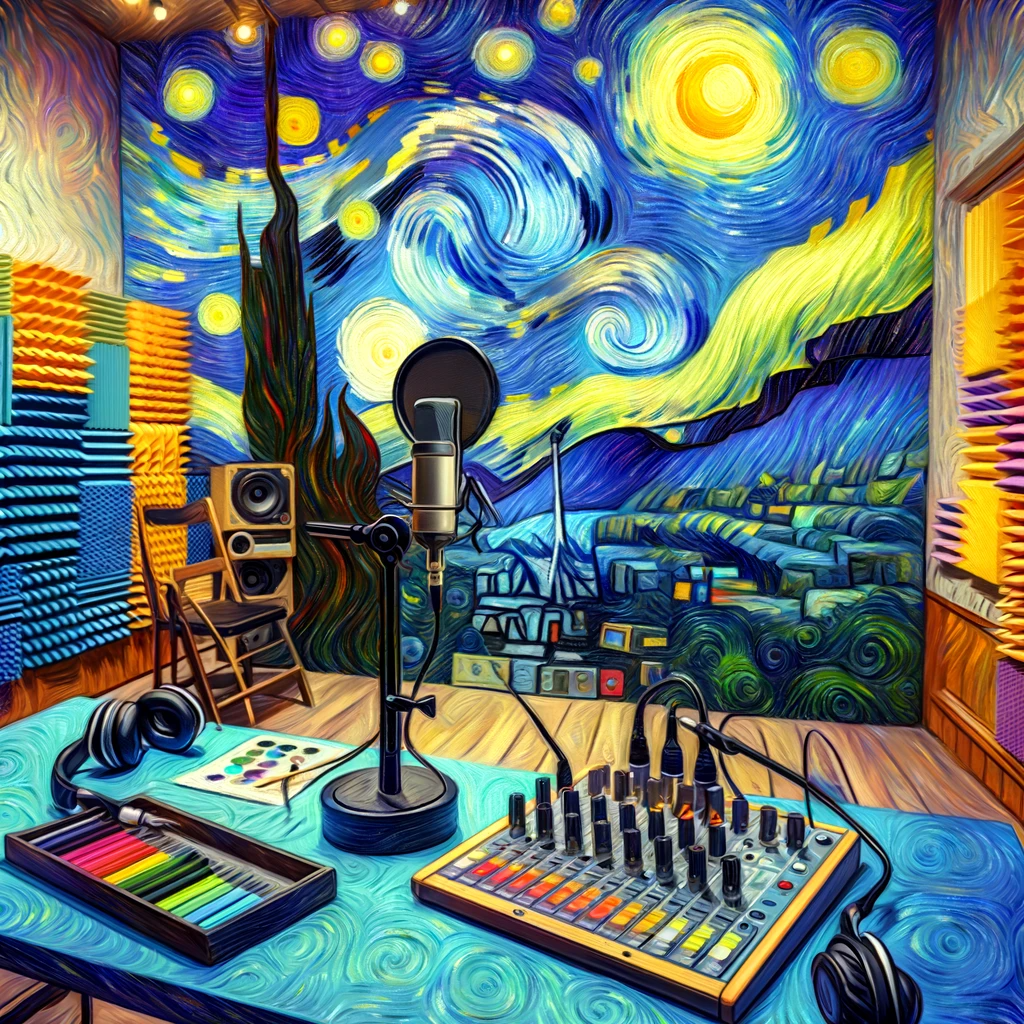
Are You Ready to Unleash Your Creativity with a Podcast Venture?
Table Of Contents
- Are You Ready to Unleash Your Creativity with a Podcast Venture?
- What Is The First Step To Starting A Podcast?
- How Do I Choose A Podcast Topic?
- How Can I Define My Target Audience For My Podcast?
- What Equipment Do I Need For Recording A Podcast?
- How Do I Edit My Podcast For A Professional Sound?
- What Are The Best Platforms For Hosting My Podcast?
- How Can I Promote My Podcast Effectively?
- Conclusion
- Other Resources
- Glossary Of Terms
- Other Questions
- Haiku
- Poem
- Checklist
What Is The First Step To Starting A Podcast?
So, you’ve decided to dip your toe into the vast ocean of audio storytelling, and you’ve got your sights set on that elusive prize: your first podcast. As with any adventure worth embarking upon, it helps to know where to start, and trust me, that first step is one of the most critical. So, let’s dive in.
Imagine standing at the edge of a great wilderness, gear in hand, looking out at the endless possibilities ahead of you. Before you rush headfirst into the arena of podcasts, take a moment to pause and consider. What is the heart and soul of your prospective podcast? This isn’t just about putting a microphone to your mouth and letting the words flow; this is about crafting something meaningful, something that resonates.
The first real step in starting a podcast is defining your niche. This is your territory, your unique space in the crowded audio world. Ask yourself what you are passionate about and what stories you want to tell. Is it true crime? Personal development? Science fiction? Be honest about your interests—your enthusiasm will shine through and attract listeners like moths to a flame.
Next, think about your target audience. Who are you speaking to? Who do you hope will tune in each week? Understanding your audience’s interests, needs, and habits is crucial in shaping your podcast. It’s not just about content; it’s about connection. This is the backbone of your show—the reason people will tune in when they could just as easily be watching the latest binge-worthy series.
Now, let’s talk logistics. The technical side of things can seem daunting, but it’s quite manageable. Research the necessary equipment: a good microphone, headphones, and audio editing software. Invest time in learning how to use them properly—after all, the quality of your sound can make or break an episode. You could have the most incredible stories to tell, but if your audio sounds like it’s coming from a tin can, even your biggest fans will quickly lose interest.
In summary, the first step to starting a podcast is finding your voice and honing in on your vision. It’s about understanding what makes you tick and who you want to connect with in the world. So gather your thoughts, grab that microphone, and start crafting your narrative—your podcast journey is waiting.

What Is The First Step To Starting A Podcast?
What Is The First Step To Starting A Podcast?
- Starting a podcast requires careful planning and consideration.
- Define your podcast’s niche by identifying your passions and the stories you want to share.
- Understand your target audience to create meaningful content that resonates with them.
- Focus on the connection with your audience, as this is essential for attracting listeners.
- Research and invest in necessary audio equipment and editing software for quality sound.
- Learning to use your equipment properly is crucial to maintaining listener interest.
- Find your voice and vision before you begin crafting your podcast narrative.

What Is The First Step To Starting A Podcast?
How Do I Choose A Podcast Topic?
Choosing a podcast topic isn’t like picking a flavor of ice cream. You can’t just stroll into a parlor and expect to find the perfect scoop staring back at you. It takes some soul-searching, a little elbow grease, and perhaps a few dead ends along the way. So, let’s dive into the nuts and bolts of how to land on a podcast topic that not only speaks to you but also piques the interest of a wider audience.
First off, consider what triggers your passion. Look around—what gets you excited? What makes you tick? Your interests will fuel your discussions and make them more engaging. If you’re captivated by the world of adaptive technologies, for example, dive into that. People are drawn to enthusiasm. When you’re fired up, listeners can feel it. And trust me, they’ll stick around to hear more.
Next, let’s talk audience. Just because you love a subject doesn’t mean it’s suitable for a podcast with a dedicated following. Take stock of what others are buzzing about. Dive into forums, social media, or even ask friends what they genuinely wish they could hear more about. Sometimes, the gold nugget is hidden in conversations with folks who may not share your passion but can guide you to a broader perspective.
Don’t shy away from the unique or unconventional. Maybe you’ve got a quirky hobby, a wealth of behind-the-scenes industry knowledge, or stories from the field. These elements can set you apart in a crowded podcast market. Your unusual insight could capture the ears of those who are hungry for something fresh and authentic. Being yourself is incredibly appealing; let it shine.
Also, think about the format. Will your podcast be interviews, storytelling, or your unique blend of both? The structure can shape your chosen topic. Knowing whether you want to have guests or create solo content will help narrow your options significantly.
Finally, don’t forget about sustainability. A great podcast topic is one where you can easily have multiple episodes. It’s essential to choose a theme that can be revisited and expanded upon. You want to keep the well pumping for seasons to come.
Choosing a podcast topic is a deeply personal journey intertwined with your passion, insights, and willingness to share them with the world. Embrace the process, and before long, you’ll find a topic worth diving into headfirst.

How Do I Choose A Podcast Topic?
How Do I Choose A Podcast Topic?
- Choosing a podcast topic requires introspection and effort; it’s not as simple as selecting an ice cream flavor.
- Identify what fuels your passion, as your enthusiasm will engage listeners and encourage them to stick around.
- Consider your audience’s interests; assess popular discussions on social media and forums to find relevant topics.
- Embrace unique or unconventional subjects, as they can differentiate your podcast in a crowded market.
- Decide on the format of your podcast, whether that be interviews, storytelling, or a mix, as this can influence your topic choice.
- Ensure your chosen topic has the potential for sustainability, allowing for multiple episodes and deeper exploration over time.
- Remember that selecting a podcast topic is a personal journey that combines your passion, insight, and desire to share.

How Do I Choose A Podcast Topic?
How Can I Define My Target Audience For My Podcast?
Defining your target audience for your podcast is a crucial step that can make or break your show. Think of it as the foundation of a good work ethic; if your groundwork isn’t solid, the whole structure could come crumbling down. So how do you get started?
First, visualize the kind of folks who you imagine sitting down with a cup of coffee, eager to listen to what you have to say. What are their interests? What makes them tick? Spend some time writing down traits that resonate with them—age, gender, hobbies, education level—whatever you think creates a vivid picture of your potential listeners. This isn’t just a guessing game; it’s an exercise in empathy. The better you can relate to them, the more they’ll relate to you.
Next, tap into your own passions and experiences. What stories do you have to tell that will resonate with those listeners? Maybe you’ve worked in a field where you’ve gained unique insights. Or perhaps you’ve navigated personal challenges that others can relate to. Your authenticity is your greatest asset. When your audience sees you as genuine, they’re more likely to invest their time—and that’s what podcasting is all about: building relationships.
Once you’ve identified your ideal listener, take some time to do some research. Online communities, social media, and forums are goldmines for understanding the behaviors and preferences of your target audience. What podcasts do they listen to? Which topics keep them engaged? These insights can guide you in shaping the content that aligns with their interests while still staying true to what you’re passionate about.
Another effective strategy is to try and develop a persona for your audience. Create a character that embodies the traits you’ve identified, complete with a name, background, and interests. This isn’t just a helpful brainstorming tool; it serves as a constant reminder of who you’re speaking to. When you sit down to record, think of that person and tailor your narrative for them.
Finally, don’t be afraid to evolve. As your podcast grows, so will your audience. Stay open to feedback, pay attention to analytics, and be willing to make adjustments. Defining your target audience is an ongoing process. Just like a skill or craft, it requires practice, patience, and an unwavering commitment to improvement. Embrace the journey, and you’re bound to succeed.

How Can I Define My Target Audience For My Podcast?
How Can I Define My Target Audience For My Podcast?
- Defining your target audience is essential for the success of your podcast.
- Visualize the type of listener you want to engage; identify their interests, traits, and demographics.
- Leverage your own passions and experiences to create authentic content that resonates with listeners.
- Conduct research on online communities and forums to better understand your audience’s preferences and behaviors.
- Create a persona for your ideal listener to guide your content creation and keep your audience in focus.
- Be open to evolution; your audience may change as your podcast grows, requiring ongoing adjustments.
- Embrace the process of defining your audience as a journey that involves practice and commitment to improvement.

How Can I Define My Target Audience For My Podcast?
What Equipment Do I Need For Recording A Podcast?
So, you’ve decided to dive headfirst into the world of podcasting. Congratulations! Now comes the part where we sift through the technical dust bunnies to find what you really need. Let’s strip away the fluff and get down to brass tacks.
First off, let’s talk about the heartbeat of your podcast: the microphone. You’ll want something that captures your voice clearly without picking up the sound of your neighbor’s lawnmower. A good dynamic mic is a solid choice for beginners. It’s affordable, durable, and with a proper pop filter, it’ll help keep your audio crisp—think of it as the unsung hero of your recording setup.
Next, embrace the concept of an audio interface. I know, it sounds fancy, but think of it as the translator between your microphone and your computer. An audio interface takes that beautiful analog sound and turns it into a digital signal that your recording software can understand. You’re going to need this piece if you want your sound to shine rather than languish in the depths of mediocrity.
Now, let’s not ignore headphones. You might be tempted to just wing it with your old pair. But trust me, investing in a decent set of closed-back headphones can make a world of difference. They allow you to hear your recording in real-time without the pesky feedback that might ruin your perfect take. It’s all about those little details!
You’ll also need some recording software. There are plenty of options out there, some free and some with a price tag that can make your wallet weep. Look for Digital Audio Workstations (DAWs) that don’t break the bank, but offer enough features to edit, mix, and export your episodes like a pro.
Lastly, let’s touch on some additional accessories that often fly under the radar. A sturdy boom arm is a must; it keeps your mic in place while allowing you to focus on what truly matters—your content. Acoustic treatment for your recording environment isn’t a luxury; it’s a necessity if you want your voice to resonate without echoes that can make even the most riveting tales sound mediocre.
In summation, you don’t need to drop a small fortune to get started. With the right microphone, an audio interface, headphones, recording software, and a few key accessories, you’ll be well on your way to crafting a podcast that stands out. So gear up and get ready to share your voice with the world!

What Equipment Do I Need For Recording A Podcast?
What Equipment Do I Need For Recording A Podcast?
- Invest in a good dynamic microphone for clear voice capture without background noise.
- An audio interface is essential to convert analog sound from the mic to a digital format.
- Use closed-back headphones to monitor recordings in real-time and avoid feedback.
- Choose affordable Digital Audio Workstations (DAWs) for editing, mixing, and exporting your episodes.
- A sturdy boom arm helps keep your microphone steady and allows you to focus on your content.
- Consider acoustic treatment for your recording space to minimize echoes and enhance sound quality.
- You can start podcasting without spending a fortune by focusing on essential equipment and accessories.

What Equipment Do I Need For Recording A Podcast?
How Do I Edit My Podcast For A Professional Sound?
When it comes to crafting a podcast that captivates your audience, the editing process is where the magic happens. Picture this: you’ve poured your heart and soul into recording your podcast. Now it’s time to take that raw audio and transform it into a polished masterpiece. So, how do you edit your podcast for a professional sound? Let’s dig in.
First off, you want to listen through your entire recording. It might feel like a chore, but this step is crucial. Grab a cup of coffee and listen for any awkward pauses, filler words—like “um” and “uh”—and any stray thoughts that don’t quite fit your narrative. Trust me, your listeners will appreciate a smooth-flowing podcast that doesn’t make them cringe at every interruption.
Now, let’s talk software. You don’t need a degree in audio engineering to find a good editing program. Tools like Audacity and Adobe Audition are user-friendly and offer robust features. Open up your recording and start by cutting out those unnecessary bits. Trim the fat, as they say. Your podcast should have a pace that keeps the audience engaged—nobody likes a drawn-out story that meanders like a lost hiker.
Once you’ve tightened up the content, it’s time to focus on sound quality. Listen for background noise, echoes, or any distracting sounds. You can use noise reduction tools to cut down on those pesky distractions. If your recording sounds a bit dull, consider adding a touch of EQ to enhance the audio. A little boost in the right frequencies can make your voice pop and hold your listeners’ attention.
Now, let’s not forget about music. Selecting the right background music can set the tone for your podcast. Make sure it complements the content without overwhelming your voice. Better yet, choose royalty-free tracks or create your own to avoid any legal headaches down the line.
Finally, when you think you’re done, listen to it again—louder this time. This is your chance to catch any lingering issues. Once you’re satisfied, export your podcast in a high-quality format. Aim for at least 128 kbps for MP3, but higher bitrate is even better if you want to maintain pristine sound quality.
Editing a podcast for a professional sound is an art. With attention, patience, and the right tools, you can elevate your audio storytelling to new heights. So roll up your sleeves, dive in, and give your listeners the experience they deserve.

How Do I Edit My Podcast For A Professional Sound?
How Do I Edit My Podcast For A Professional Sound?
- The editing process is essential for transforming raw podcast recordings into polished pieces.
- Begin by listening to the entire recording to identify awkward pauses and filler words.
- User-friendly editing software like Audacity and Adobe Audition can simplify the editing process.
- Cut unnecessary content to maintain a fast pace and keep the audience engaged.
- Focus on sound quality by removing background noise and using EQ to enhance audio clarity.
- Select appropriate background music that complements the podcast content without overpowering it.
- Listen to the final edit at a higher volume to catch any remaining issues before exporting in high quality.

How Do I Edit My Podcast For A Professional Sound?
What Are The Best Platforms For Hosting My Podcast?
When it comes to launching your podcast, choosing the right platform is like picking the perfect tool for a job—it can make a world of difference. A podcast is more than just a collection of audio clips; it’s a chance to connect, inspire, and build a community. So, where do you hang your hat in the ever-expanding podcasting universe?
First on the list is Libsyn. If you’re serious about your podcast, this platform has stood the test of time and offers a wealth of features. It provides excellent analytics, which can give you critical insights into how your audience interacts with your content. Plus, it’s user-friendly for newbies while giving advanced options for seasoned pros.
Next up, consider Podbean. This platform is like a Swiss Army knife when it comes to podcast hosting. With unlimited storage and bandwidth on its premium plans, you won’t have to hold back on creativity. Podbean also boasts a killer app for listeners, so your audience can easily find and consume your content on the go.
Don’t underestimate Anchor, either. It’s a free platform that’s leveled the playing field. It’s as simple as hitting “record,” making it appealing for beginners who want to dip their toes into podcasting without the stress of upfront costs. Anchor even helps distribute your podcast across multiple platforms, getting your voice into the ears of listeners everywhere without a fuss.
Then there’s Buzzsprout. Think of it as the podcasting buddy that double-checks your work. It’s designed with ease of use in mind, letting you upload your episodes with the click of a button. Buzzsprout also offers great promotional tools to help spread the word about your podcast.
Last but not least, Spreaker deserves a mention for its live podcasting capabilities. If the idea of an unscripted, live show excites you, look no further. Spreaker gives you the chance to interact with your audience in real-time, creating a unique dynamic that can set your podcast apart.
In closing, the best podcast hosting platform for you should fit your unique style and goals. Whether you want robust analytics, ease of use, or live capabilities, there’s something out there tailored just for you. A well-chosen platform is an essential step in the labor of love that is podcasting. So, roll up your sleeves and get to work!

What Are The Best Platforms For Hosting My Podcast?
What Are The Best Platforms For Hosting My Podcast?
- Choosing the right platform for your podcast is crucial for connection and community building.
- Libsyn is a reliable option known for its comprehensive features and excellent analytics.
- Podbean offers unlimited storage and bandwidth, along with a user-friendly app for listeners.
- Anchor is a free platform that simplifies podcasting for beginners with easy recording and distribution.
- Buzzsprout emphasizes ease of use, allowing straightforward uploads and effective promotional tools.
- Spreaker provides live podcasting capabilities, enabling real-time audience interaction.
- Choose a platform that aligns with your podcasting style and goals for the best results.

What Are The Best Platforms For Hosting My Podcast?
How Can I Promote My Podcast Effectively?
Ah, the noble endeavor of promoting a podcast! It’s a venture that, much like digging a ditch or fixing a truck, requires grit, creativity, and a fair amount of elbow grease. So you’ve put in the hours crafting your content, fine-tuning your audio, and polishing your delivery. Now it’s time to get that podcast out to the folks who will appreciate it most. Here’s the lowdown on how to turn your dreams of widespread acclaim into a reality without sacrificing your sleep or sanity.
First off, leverage social media. Platforms like Instagram, Twitter, and Facebook are your best friends in this endeavor. Create engaging posts that give potential listeners a taste of what your podcast has to offer. Share audio snippets, eye-catching graphics, or behind-the-scenes clips—whatever it takes to catch that wandering eye. Don’t just post and pray; interact with your audience. Respond to comments, share listener feedback, and foster a community. That camaraderie will turn casual visitors into devoted fans.
Next up, establish a website. Yes, it’s 2023, and you might think a podcast alone can do the trick, but a dedicated site offers stability and quality. Use your website to host show notes, links to episodes, and even transcripts for those who prefer reading over listening. Sprinkle in a blog while you’re at it; a little SEO magic can work wonders, helping your podcast surface when people search for topics relevant to your content.
Networking is another key component. Reach out to fellow podcasters in your niche—don’t be shy! Consider guest appearances, where you swap spots and bring your audiences together. It’s a win-win scenario, expanding your reach without reinventing the wheel. Plus, who doesn’t like a good podcast recommendation?
Finally, don’t overlook the power of word of mouth. Encourage your listeners to share your podcast with friends, family, and colleagues. Create call to action moments in your show, reminding listeners to spread the word. They may love what you have to say, but they need a little nudge to rally their troops.
In the ever-expanding universe of podcasts, attention is the holy grail. With a dash of creativity and a sprinkle of persistence, you’re primed to carve out your space in the world of audio storytelling. So roll up your sleeves and get to work; that podcast of yours deserves a spotlight!

How Can I Promote My Podcast Effectively?
How Can I Promote My Podcast Effectively?
- Promoting a podcast requires grit, creativity, and effort.
- Utilize social media platforms like Instagram, Twitter, and Facebook to engage potential listeners with appealing content.
- Establish a dedicated website to host show notes, episode links, and transcripts; consider adding a blog for better SEO.
- Network with fellow podcasters for guest appearances to expand your audience.
- Encourage word of mouth by asking listeners to share your podcast with their network.
- Create call-to-action moments in your episodes to remind listeners to spread the word.
- With creativity and persistence, you can carve out a unique space in the podcasting world.

How Can I Promote My Podcast Effectively?
Conclusion
Alright, folks, here we are at the end of this exciting journey into the world of podcasting. Now, if you’ve been sitting on the sidelines, wondering if you have what it takes to take the plunge, let me tell you—there’s never been a better time to unleash your creativity. Picture a blank canvas, waiting for your ideas to come alive with sound. That’s the essence of podcasting! It’s a chance for you to share your story, your passions, and maybe even provide the connection that someone out there is craving.
But before you jump onto that mic, take a moment to ponder your first steps. You’ve got to ask yourself what drives you, what sparks that fire in your belly? Is it cooking? Comedy? Maybe it’s the nuances of the universe? Whatever it is, don’t just choose a topic that seems appealing; find something that literally makes you come alive. Remember, the podcast industry is crowded, so your authenticity is your secret weapon. Your unique voice can resonate with others, but you have to know what you’re about.
As you navigate this journey, defining your target audience is also essential. Who do you want to hear your voice? What do they care about? Understanding this can make the difference between your podcast being just another voice in the crowd or a beacon that draws people in.
And let’s not forget about the gear! You don’t need to mortgage your house for top-end equipment. Just a decent microphone, an audio interface, and some solid headphones will put you in the game. Keep it simple; the magic lies in what you do with your voice, not necessarily the gear you own.
Now, editing is the alchemy that turns raw audio into polished gold. Embrace the process—cut out the filler, enhance your sound, and don’t shy away from adding a bit of music to set the vibe.
Finally, let’s talk about promoting that beautiful creation of yours. Use social media, network with other creators, and ignite the word-of-mouth wildfire. Remember, making content is just the first half; getting it out there is where the real fun begins.
So what are you waiting for? Grab that microphone, share your passion, and start your podcasting adventure. Dive in! The world is ready to hear what you have to say. Your story is worth telling, and believe me, it’s also worth listening to.

Conclusion
Conclusion:
- Podcasting is an opportunity to unleash creativity and share personal stories and passions.
- Choose a podcast topic that truly inspires you, rather than just what seems appealing.
- Authenticity is key; your unique voice will help you connect with your audience.
- Define your target audience to ensure your podcast has impact and relevance.
- A decent microphone, audio interface, and headphones are sufficient to start podcasting.
- Editing is crucial for turning raw audio into high-quality content; don’t hesitate to enhance your sound.
- Promote your podcast through social media and networking to maximize reach and engagement.

Conclusion
Other Resources
Other Resources
Here is a list of other resources you can review online to learn more:
- Deezer
- Apple Podcasts
- Google My Business
- Spotify for Podcasters
- Line
- VK
- Google Podcasts
- RØDECaster Pro
- Threads
- Podcast Index
Use This Prompt To Get More Resources With Your Favorite Online AI Tool: Please provide me with a list of online articles with their URLs in a bulleted list that I can read regarding Are You Ready to Unleash Your Creativity with a Podcast Venture?

Other Resources
Glossary Terms
Are You Ready to Unleash Your Creativity with a Podcast Venture? – Glossary Of Terms
1. Podcast: A digital audio or video program available for streaming or download, often organized into episodes around specific topics or themes.
2. Content Creation: The process of generating ideas, topics, and materials for your podcast episodes, which can include scripts, outlines, and interview questions.
3. Hosting: The act of leading the podcast episode, which may involve guiding conversations, asking questions, and engaging with guests or co-hosts.
4. Editing: The process of refining the recorded audio to improve sound quality, remove mistakes, and enhance the overall flow of the episode.
5. Format: The structure of the podcast, which can include interviews, storytelling, roundtable discussions, or solo commentary.
6. Pilot Episode: The first episode of a podcast created to test the concept, format, and audience engagement before committing to a full series.
7. Target Audience: The specific group of listeners that the podcast is aimed at, defined by interests, demographics, and listening habits.
8. Branding: The process of creating a unique name, logo, and aesthetic for the podcast to establish its identity and attract listeners.
9. Distribution: The method of sharing the podcast episodes across various platforms (e. g. , Apple Podcasts, Spotify) to reach a wider audience.
10. RSS Feed: A web feed that allows users to access updates to online content, such as new podcast episodes, through an aggregator.
11. Transcription: The written text version of the podcast audio, which can improve accessibility and be used for SEO purposes.
12. Monetization: The strategies used to generate income from a podcast, which may include sponsorships, merchandise sales, or listener donations.
13. Sponsorship: A business relationship where companies pay podcasters to promote their products or services during the episodes.
14. Listener Engagement: The interaction between the podcast host and the audience, which can include social media communication, listener feedback, or Q&A sessions.
15. Episode Length: The duration of each podcast episode, which can vary depending on the format and content (e. g. , short-form vs. long-form).
16. Sound Quality: The clarity and fidelity of the audio recorded in a podcast, which is essential for listener satisfaction and retention.
17. Microphone: A device used to capture audio for the podcast, with various types (e. g. , condenser, dynamic) suited for different recording environments.
18. Launch Strategy: A plan created before broadcasting a podcast to generate buzz and attract an initial audience upon release.
19. Editing Software: Programs such as Audacity or Adobe Audition that are used to edit audio files and enhance sound quality.
20. Guest Expert: A person invited to participate in a podcast episode to share knowledge, insights, or experiences related to a specific topic.
21. Show Notes: A written summary of each episode, often including key points, links, and resources mentioned, designed to enhance listener experience.
22. Promo: A short promotional segment within or outside of the podcast to advertise upcoming episodes or special guest appearances.
23. Call to Action (CTA): A directive given to listeners encouraging them to take a specific action, such as subscribing, leaving a review, or visiting a website.
24. Niche: A specialized segment of the market that the podcast focuses on, which can help differentiate it from other content.
25. Podcast Network: A group or collective of podcasts that share resources, cross-promote, and often collaborate to expand reach.
26. Feedback Loop: The process of receiving, analyzing, and responding to listener feedback to improve podcast content and engagement.
27. Creative Block: A temporary inability to generate new ideas or content, often experienced by creators during the podcasting process.
28. Cross-Promotion: A marketing strategy where podcasters collaborate to promote each other’s shows, reaching new audiences.
29. Analytics: The measurement and analysis of podcast performance data, including downloads, listener demographics, and engagement rates.
30. Social Media Integration: The use of social media platforms to promote the podcast, interact with listeners, and share content highlights.

Glossary Of Terms
Other Questions
Are You Ready to Unleash Your Creativity with a Podcast Venture? – Other Questions
If you wish to explore and discover more, consider looking for answers to these questions:
- What are the common challenges faced when starting a podcast?
- How can I stay motivated throughout my podcasting journey?
- What are some successful podcast formats I can consider?
- How do I develop my podcast’s branding and identity?
- What are the best practices for conducting interviews for my podcast?
- How can I monetize my podcast effectively?
- What legal considerations should I be aware of when podcasting?
- How do I handle criticism or negative feedback on my podcast?
- What strategies can I use to increase listener engagement?
- Can I repurpose podcast content for other platforms or formats?

Other Questions
Haiku
Are You Ready to Unleash Your Creativity with a Podcast Venture? – A Haiku
Voice your stories,
Unleash creativity,
Podcast, share your heart.

Haiku
Poem
Are You Ready to Unleash Your Creativity with a Podcast Venture? – A Poem
In the depths of your mind, a spark ignites,
A story, a passion, a dream takes flight.
With a microphone poised, your journey begins,
To craft a connection, where your voice wins.
Dive into waters, both vibrant and vast,
With blank slates before you, each episode cast.
Each thought a brushstroke on creativity’s canvas,
Embrace the mess, let your heart speak, and be wondrous.
Define your niche, the space you will roam,
Where your interests and passions can find a true home.
Picture your audience, the souls you will reach,
Their laughter, their tears—your words, they will teach.
Invest in your gear, let your sound soar,
A mic, headphones, and software—tools to explore.
With each careful edit, polish your art,
Transform raw moments into something that’s smart.
Choose a platform, a stage for your voice,
Where your laughter and stories can echo by choice.
From Libsyn to Anchor, the world’s now your own,
With every new listener, your community has grown.
Now promote with fervor, unleash your delight,
Through social media, shine your podcast’s light.
Connect and engage, let your spirit be true,
Invite all the listeners, and they’ll rally for you.
So gather your courage, press record, take that leap,
For within you lies magic, profound and deep.
In the realm of podcasting, let your essence unfurl—
Your authentic voice deserves to be heard across the world.

Poem
Checklist
Are You Ready to Unleash Your Creativity with a Podcast Venture? – A Checklist
Before You Start: Evaluating Your Readiness
_____ Identify your passion: What story or idea ignites your soul?
_____ Consider your audience: Who do you want to connect with?
_____ Know your limitations: What fears or doubts do you need to overcome?
Defining Your Podcast Concept
_____ Define your niche: What specific topic do you want to focus on?
_____ Clarify your vision: What do you hope to achieve with your podcast?
_____ Choose your format: Will it be solo commentary, interviews, or storytelling?
Understanding Your Audience
_____ Create audience personas: What demographics, interests, and habits define your listeners?
_____ Conduct market research: Explore forums and social media to identify trends and preferences.
_____ Tune into listener feedback: Be willing to adapt as your podcast evolves.
Equipment Essentials
_____ Buy a quality microphone: Consider a dynamic mic with a pop filter for clear sound.
_____ Get an audio interface: Required for connecting your mic to your computer.
_____ Invest in headphones: Choose closed-back headphones for real-time audio monitoring.
_____ Select recording software: Look for user-friendly options like Audacity or Adobe Audition.
Editing for a Professional Sound
_____ Listen through your recorded audio: Identify areas to cut, refine, or enhance.
_____ Use editing software: Familiarize yourself with trimming and noise reduction tools.
_____ Add music carefully: Choose royalty-free tracks that complement your content.
Choosing a Hosting Platform
_____ Research hosting options: Consider platforms like Libsyn, Podbean, Anchor, Buzzsprout, or Spreaker.
_____ Evaluate features: Determine which platform fits your needs for analytics, storage, and ease of use.
Promoting Your Podcast
_____ Leverage social media: Share audio snippets, graphics, and engage with listeners.
_____ Create a dedicated website: Host show notes, transcripts, and blogs to enhance visibility.
_____ Network with other podcasters: Look for guest appearances and collaborations.
_____ Encourage word-of-mouth: Ask your audience to share your podcast with their networks.
Final Steps
_____ Preview your episodes: Listen to your edited podcast as though you’re a listener.
_____ Launch your podcast: Put it out into the world and welcome feedback.
_____ Stay open to evolving: Continuously seek to improve and adapt your content and approach.
No journey is without its challenges, but with this checklist in hand, you’re equipped to embark on your podcasting adventure. Get ready to share your unique voice with the world!
Checklist
At PodcastBig, we help people who want to learn about podcasting by collating information and news about podcasting.
Be sure to read our other related stories at PodcastBig to learn more about podcasting.