

Start Your Podcasting Journey Now
By Tom Seest
At PodcastBig, we help people who want to learn about podcasting by collating information and news about podcasting.
Be sure to read our other related stories at PodcastBig to learn more about podcasting.
Are You Ready to Take The Leap Into Podcasting This Month?
Let’s not beat around the bush: starting a podcast is both thrilling and daunting. It’s like standing on the edge of a diving board, peering over into the deep end, wondering if you’re ready to make the plunge. But here’s the kicker: you’ll never know the depth of the water until you jump in. With a little preparation and a healthy dose of enthusiasm, you can transform your ideas into an engaging podcast that resonates with listeners around the world.
First things first, what’s your topic? You’ve got a story to tell, or a passion to share, so grab hold of that—don’t let it slip away! Whether it’s dissecting quirky historical facts, diving deep into your favorite hobbies, or exploring the many facets of everyday life, there’s an audience out there just waiting for your unique perspective. Remember, the beauty of podcasting is that it doesn’t require a network or a major studio; all you need is a good idea, a microphone, and the guts to put it out there.
Now, gear up! You don’t need Hollywood-grade equipment to get started. A decent microphone and some free or low-cost editing software can work wonders. Treat it like fine-tuning an instrument; with a little practice, you’ll find your groove and create crisp sound bites that keep your audience coming back for more.
Then comes the heart of it all: content. As you plan your episodes, think about what will keep your listeners engaged. Share anecdotes, ask thought-provoking questions, and invite guests to bring new voices into the mix. Remember, honesty and authenticity are your allies. Don’t be afraid to show a little vulnerability—people connect with real stories and genuine emotions.
And let’s not forget consistency. Just like a well-tended garden, a flourishing podcast requires regular attention. Schedule your recording sessions, stay committed to releasing episodes on a consistent basis, and watch your audience bloom.
So, are you ready to take the leap? Don’t just sit on the sidelines; dive into the world of podcasting headfirst. Embrace the chaos, relish the process, and celebrate every small victory along the way. Trust me, whether it’s a handful of listeners or thousands, the experience of sharing your voice will be worth every moment. Now, go out there and start recording!

Are You Ready to Take The Leap Into Podcasting This Month?
Are You Ready to Take The Leap Into Podcasting This Month?
- Starting a podcast is both thrilling and daunting, likened to standing on the edge of a diving board.
- Identify your unique topic and story, as there’s an audience eager for your perspective.
- You don’t need high-end equipment; a decent microphone and affordable editing software will suffice.
- Engaging content is crucial; include anecdotes, thought-provoking questions, and guest voices.
- Authenticity and vulnerability resonate with listeners; share real stories and emotions.
- Consistency is key; schedule recordings and release episodes regularly to grow your audience.
- Embrace the journey of podcasting, celebrating each accomplishment regardless of your listener count.

Are You Ready to Take The Leap Into Podcasting This Month?
Table Of Contents
- Are You Ready to Take The Leap Into Podcasting This Month?
- What Niche Will Your Podcast Fill?
- Do You Have A Podcast Name In Mind?
- What Format Will Your Podcast Follow?
- Have You Planned Your First Few Episodes?
- What Equipment Do You Need To Start Podcasting?
- How Will You Edit Your Podcast Effectively?
- Which Hosting Platform Suits Your Needs?
- Conclusion
- Other Resources
- Glossary Of Terms
- Other Questions
- Haiku
- Poem
- Checklist
What Niche Will Your Podcast Fill?
In the ever-expanding universe of podcasts, it’s essential to carve out your own slice of the cosmos. A podcast is more than just a collection of episodes; it’s a chance to explore a unique angle, tell untold stories, or shine a light on the everyday heroes within your community. So, what niche will your podcast fill?
First, think about your passions. What gets you out of bed in the morning? Maybe it’s a fascination with the forgotten history of your town, or perhaps you have a deep love for cooking that stems from your grandmother’s recipes. Passion is contagious, and when you speak about what you love, it resonates with your audience. The sooner you find that sweet spot where passion meets purpose, the quicker you can start building a listener base that feels connected to your message.
Next, consider the gaps in the podcast market. What topics are underserved? It’s easy to find shows about popular subjects, but there are countless niches that haven’t received their due attention. Perhaps you’re an expert in a field that combines your knowledge of science with a love for the arts. Or you have a knack for uncovering the fascinating lives of ordinary folks who have extraordinary stories. The key is to identify an angle that’s not just unique, but also meaningful.
Furthermore, don’t overlook your personal experiences. We all have stories to tell—some embody humor, while others carry the weight of life lessons learned the hard way. Think about your journey. What struggles have you faced? What victories have you celebrated? Whether it’s navigating the ups and downs of a particularly challenging career or discussing the nuances of mental health, real experiences create a tangible connection with listeners.
Finally, remember that while markets can be saturated, your voice is singular. Authenticity counts in podcasting. Your perspective on a common issue may be groundbreaking to someone who’s searching for clarity. As you embark on this journey, don’t shy away from the quirks that make you, well, you! Laughter, sincerity, and authenticity are often the glue that binds a podcast together.
So, as you ponder the niche for your podcast, reflect on your passions, explore the gaps in the market, and tap into your unique stories. The world is craving fresh ideas and genuine voices—just maybe, one of them is yours.

What Niche Will Your Podcast Fill?
What Niche Will Your Podcast Fill?
- Podcasts provide an opportunity to explore unique angles and tell untold stories.
- Identifying your passions is crucial for creating engaging content that resonates with listeners.
- Look for underserved topics in the podcast market to find your niche.
- Your personal experiences can create meaningful connections with the audience.
- Authenticity in your voice is vital; it can offer new perspectives on familiar issues.
- The combination of humor, sincerity, and individuality enhances the podcast experience.
- Reflect on your passions and experiences as you carve out your podcast niche.

What Niche Will Your Podcast Fill?
Do You Have A Podcast Name In Mind?
So you’ve got the gear, the drive, and a whole heap of ideas swirling around in that creative noggin of yours. You’re ready to dive headfirst into the world of podcasting. But before you hit that record button, there’s one crucial piece that can make or break your endeavor: the name of your podcast. Think about it. A title encapsulates the essence of your show in just a few words. It’s your calling card, your first impression, and, if done right, your listeners’ ticket to curiosity.
Now, when brainstorming names, be sure to cast a wide net. Jot down anything that comes to mind—no matter how silly it may seem at first. This is the time to let your imagination run wild. Are you telling stories of the everyday hero? Seeking out hidden talents in your community? Or maybe you’re diving deep into the bizarre and absurd? Each theme can inspire a myriad of names.
Remember, clarity is crucial. A podcast name that tells potential listeners exactly what to expect is golden. If you’re focusing on interviews with local artisans, then “Crafting Conversations” could catch the interest of that niche audience. On the other hand, if your podcast skews toward the comedic side of life’s mishaps, something quirky like “Oops! I Did It Again” might just do the trick.
Once you’ve compiled a list of names, test them out. Say them out loud. Ask friends and family for their opinions—preferably those who won’t sugarcoat their feedback. A name that rolls off the tongue and sticks in the brain is what you want.
But don’t just stop there! Before you settle on a name, do your due diligence. Make sure it’s not already taken. A simple search can save you a lot of heartache down the road. Check the podcast directories to see if someone else is already out there with something similar.
So, as you sit there with your notebook or digital device, remember that your podcast name is more than just a label; it’s your show’s identity. Take your time and choose wisely. A well-thought-out name can set the tone for your show and draw in the listeners you’re eager to connect with. Happy naming!

Do You Have A Podcast Name In Mind?
Do You Have A Podcast Name In Mind?
- Choosing a compelling podcast name is essential for creating a strong first impression.
- Brainstorm a wide range of potential names, letting your creativity flow without restraint.
- Ensure the name reflects the theme of your podcast, such as storytelling or humor.
- Test out your shortlist of names by saying them aloud and gathering honest feedback.
- Verify that the name isn’t already in use by searching podcast directories.
- Your podcast name should serve as your show’s identity and attract the right audience.
- Take your time in selecting a name, as it can influence the tone and reception of your podcast.

Do You Have A Podcast Name In Mind?
What Format Will Your Podcast Follow?
When you’re about to dive into the world of podcasting, one of the first questions you should be asking yourself is, “What format will my podcast follow?” Now, before you roll your eyes and shut down the brainstorming session, let’s take a moment to unravel this part of the magic. The format is the structure—your guiding blueprint, if you will—that helps shape the listener’s experience.
Imagine you’re standing on the edge of a cliff, peering into the vast canyon below. That canyon is your podcasting landscape, rich with possibilities. You can take your audience on a winding tour that’s full of surprises, or you can stick to a straightforward path that’s easy to navigate. That choice ultimately shapes how people connect with your content.
Let’s explore a few popular formats. The conversational style, for instance, mimics a casual coffee chat—just two folks sharing experiences and insights. It’s relaxed, real, and can easily resonate with listeners who feel like they’re sitting in on a lively discussion. There’s also the interview format, where you play the role of the curious explorer, pulling nuggets of wisdom from your guests, inviting your audience along for the ride. This approach can be particularly dynamic, expanding perspectives and introducing new voices into the mix.
On the flip side, maybe you’re more inclined to tell stories. The narrative format allows you to weave tales that can pique interest and engage emotions. It can be a delightful journey where each episode unveils a new layer, keeping your audience hooked like a seasoned fisherman. For those who thrive on structure, consider the segmented format, where each episode has clear, digestible sections. Picture a well-organized toolbox: each segment has its purpose, making it easy for listeners to find exactly what they need.
Then there’s the solo format—just you and the microphone. It’s raw. It’s personal. It’s a chance to infuse your voice, passions, and quirks directly into the hearts of your listeners. Each twist and turn is a reflection of your unique character.
Ultimately, the podcast format you choose should align with your goals, style, and the message you want to convey. Whether you go for something laid-back or intricately structured, your format will be the key to unlocking the doors of connection, resonance, and lasting impact. And that, my friends, is what makes podcasting so incredibly thrilling.

What Format Will Your Podcast Follow?
What Format Will Your Podcast Follow?
- Choose a podcast format as a foundational step in creating your show.
- The format serves as a guiding blueprint that shapes the listener’s experience.
- Popular formats include conversational style, interview, narrative, segmented, and solo formats.
- Conversational style is relaxed and mimics casual discussions among friends.
- The interview format expands perspectives by featuring guest insights and experiences.
- Narrative format allows for storytelling that engages listeners and piques their interest.
- Your chosen format should align with your goals and style for effective communication and impact.

What Format Will Your Podcast Follow?
Have You Planned Your First Few Episodes?
Starting a podcast is like embarking on an uncharted adventure. You’ve got your microphone, your enthusiasm, and maybe a cup of your favorite brew, but hold on a second—have you actually planned your first few episodes? If you’ve got a vision for your podcast but haven’t mapped out the journey, you might be headed for some rough waters.
Before you hit that record button, take a moment to consider what your initial episodes will look like. Aimless rambling may be entertaining for a minute, but it’s not what keeps listeners coming back. You need to sketch out a blueprint that excites you, engages your audience, and sets the stage for what’s to come. Think of each episode as a stepping stone, leading your listeners down a path filled with rich content and compelling stories.
Define the topics you want to explore. Will you take a deep dive into current events, or might you prefer to indulge in interviews with fascinating guests? Whatever direction you choose, make sure it reflects your genuine interests and expertise. After all, authenticity resonates. Listeners can sniff out insincerity faster than a dog can spot a squirrel, and they won’t stick around if they sense you’re not all in.
Once you’ve honed in on your themes, it’s time to craft your episodes. A well-structured podcast is like a good recipe; it needs the right blend of ingredients. Start with a hook to reel your audience in, provide valuable insights, and wrap things up with a memorable conclusion. Consider incorporating segments to give each episode a lively rhythm, creating a space where your audience can comfortably settle in.
Don’t forget to think about how you’ll promote your podcast, as well. Social media can be a powerful ally in building anticipation and fostering a community around your content. Tease upcoming episodes, share behind-the-scenes moments, or engage listeners with thought-provoking questions. Building a community means listeners will feel invested in your journey right from the start.
It all boils down to deliberate planning. Your passion will shine through when you’ve clearly outlined your first few episodes. So, grab a pen and some paper—craft your vision, map out your episodes, and get ready to set sail. Your podcasting journey awaits, and the first few episodes are your ticket to create waves in the vast ocean of audio storytelling.

Have You Planned Your First Few Episodes?
Have You Planned Your First Few Episodes?
- Starting a podcast requires planning your initial episodes to avoid aimless content.
- Sketch a blueprint for each episode that excites you and engages your audience.
- Define the topics based on your genuine interests and expertise.
- A well-structured podcast should have a hook, valuable insights, and a memorable conclusion.
- Incorporate segments for a lively rhythm and comfortable listening experience.
- Use social media to promote your podcast and build a community around it.
- Deliberate planning ensures your passion shines through in your episodes.

Have You Planned Your First Few Episodes?
What Equipment Do You Need To Start Podcasting?
Diving into the world of podcasting can feel like an intimidating leap, but let’s break it down. You don’t need a multimillion-dollar setup to get started; just some fundamental equipment to make your voice heard in the vast audio landscape.
First off, you’ll need a decent microphone. Although your computer’s built-in mic might suffice for a handful of casual recordings, it’s like trying to catch fish with a bare hook. Something like a USB microphone can do wonders without breaking the bank, offering clear audio quality that’ll make your listeners feel like they’re right there with you. Look for options that offer a cardioid pattern, as they capture sound from the front while rejecting noise from the sides and back.
Next up, consider quality headphones. Remember, these aren’t just for listening to your favorite tunes while commuting; they serve a vital purpose in podcasting. Good headphones allow you to monitor your audio in real-time, ensuring you catch any unwanted background noise before it becomes a problem. You’ll want to invest in a pair that gives you good isolation and clarity, essential tools to keep your sound crisp and engaging.
While we’re on the topic of sound, let’s talk about audio interfaces. If you’re planning to get a bit more technical, this piece of equipment can elevate your game. An audio interface acts as a bridge between your microphone and your computer, converting analog signals to digital. This little gadget can improve the overall sound quality, especially if you’re using a professional XLR microphone.
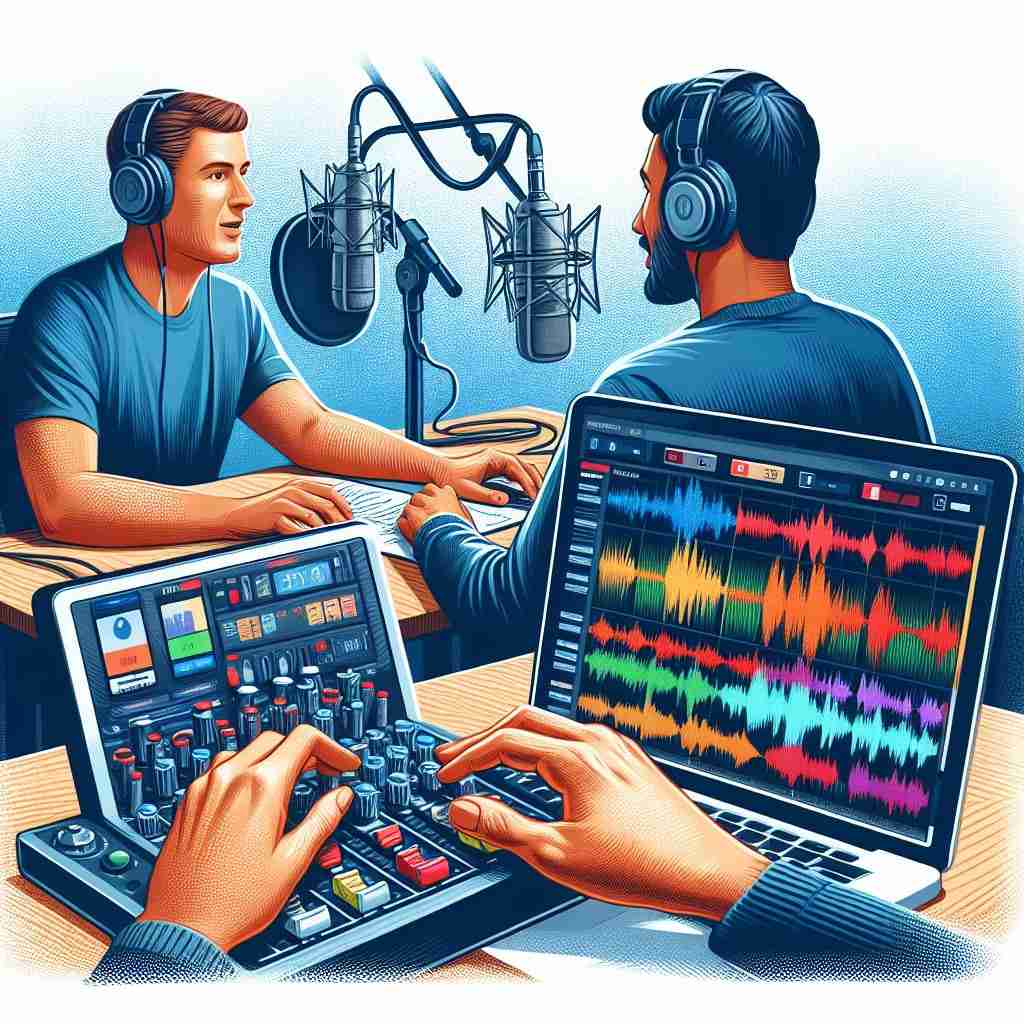
And let’s not forget about recording software. Whether you’re a Mac user with GarageBand or a Windows fan dabbling in Audacity, a reliable Digital Audio Workstation (DAW) will help you record, edit, and produce your podcast. Familiarizing yourself with the software is essential; it’s your virtual studio where the magic happens. Plus, most DAWs offer fantastic tutorials to help you conquer the learning curve.
Lastly, you’ll want a hosting platform for your podcast so listeners can easily find your episodes. Look for a service that offers good analytics and straightforward distribution to all major platforms.
So there you have it—a simple yet effective toolkit to launch your podcast. With these essentials, you’re one step closer to sharing your unique voice with the world. Embrace the adventure, and remember, every expert was once a beginner!

What Equipment Do You Need To Start Podcasting?
What Equipment Do You Need To Start Podcasting?
- Diving into podcasting requires minimal equipment; you don’t need a costly setup to start.
- A decent microphone is essential; a USB microphone is recommended for better audio quality.
- Cardioid-pattern microphones are ideal as they capture sound from the front and reduce background noise.
- Quality headphones are crucial for monitoring audio in real-time and catching background noise.
- An audio interface can enhance sound quality by converting analog signals to digital.
- Recording software (DAW) like GarageBand or Audacity is necessary for recording and editing your podcast.
- A reliable hosting platform is important for easy distribution and good analytics for your podcast.

What Equipment Do You Need To Start Podcasting?
How Will You Edit Your Podcast Effectively?
Editing a podcast is a bit like shaping a lump of clay. It requires patience, precision, and, above all, a deep understanding of your material. Just as a sculptor views the raw piece with a vision of what it can become, you, dear podcaster, must approach your audio with both attachment and detachment. You’ve poured your heart and soul into creating content, but now it’s time to give it the fine-tuning it needs to truly shine.
First things first: gather your tools. Whether you’re using professional-grade software or something as simple as a free app, ensure you have everything at your fingertips. Familiarize yourself with key features. You’d be amazed how many novice editors miss out on incredible capabilities, like noise reduction or multitrack editing. These tools can turn a good podcast into a great one by eliminating distractions and allowing the essence of your voice to come through clean and clear.
Now, let’s talk about structure. Every good podcast has a beginning, a middle, and an end. Your job during editing is to make sure those segments flow seamlessly. Consider the power of silence; sometimes a pause speaks volumes more than a rapid-fire delivery. Don’t shy away from cutting out unnecessary rambling, but remember, each cut should serve a purpose. Trim the fat, but don’t butcher the beef. Keep your listeners engaged by maintaining a rhythm that feels natural, yet polished.
Listen with intent. Put yourself in the shoes of your audience. Are there moments that drag on? Are certain words or phrases repeated so often it feels like a broken record? Tackle those points ruthlessly. Your listeners deserve a quality experience, and sometimes that means making hard choices on what stays and what gets the axe.
In addition, pay attention to the pacing and tone of your podcast. A light-hearted discussion might benefit from a quicker pace, while a serious topic may demand a slower touch. Transitioning between tones can be tricky, so include seamless audio transitions, sound effects, or even music to guide your audience. This balance creates an overall warmer and more inviting atmosphere.
Finally, don’t forget the finishing touches. A solid intro and outro can frame your content brilliantly. They provide context and closure, wrapping your podcast in a nice bow. And remember, editing isn’t just about cutting the bad; it’s about enhancing the good. Your podcast is a reflection of you—make it worthy of being heard.

How Will You Edit Your Podcast Effectively?
How Will You Edit Your Podcast Effectively?
- Editing a podcast is akin to sculpting, requiring patience, precision, and understanding of your material.
- Gather and familiarize yourself with your editing tools, whether professional software or free apps, to utilize features like noise reduction.
- Ensure your podcast has a clear structure: beginning, middle, and end, while allowing silence to emphasize points effectively.
- Listen with intent from the audience’s perspective to identify and cut out any unnecessary or repetitive segments.
- Focus on pacing and tone; adjust the rhythm based on the topic to maintain audience engagement.
- Use audio transitions, sound effects, or music to smoothen transitions between different tones.
- Finish with a strong intro and outro to provide context and closure, enhancing the overall quality of your podcast.

How Will You Edit Your Podcast Effectively?
Which Hosting Platform Suits Your Needs?
When it comes to choosing the right hosting platform, it’s a bit like deciding on a toolbox for a project: the quality of your tools can make or break your success. Let’s roll up our sleeves and dig into what really matters when selecting a home for your website, keeping in mind your unique needs and aspirations.
First off, you need to consider your audience—who are you trying to reach? If your primary goal is to share knowledge or passions through a blog or even a podcast, you’ll want a platform that makes it easy for you to publish content regularly and manage your community. Some platforms are ideal for visual storytelling, while others shine when it comes to audio, especially if your plan includes a podcast. Think about where your audience is most active and how they prefer to consume content.
Now, let’s talk about ease of use. If you’re a seasoned veteran in the tech arena, a more complex system with advanced features might tickle your fancy. But for most folks, especially those just starting out or juggling multiple responsibilities, user-friendly platforms can save you from hours of frustration. The last thing you want is to spend your evenings wrestling with code when you could be creating compelling content or engaging with your audience.
Another critical consideration is scalability. Your chosen platform should grow alongside you, without causing stress down the line. If you’re planning to launch a podcast, for instance, podcast hosting features like analytics, direct integrations, and efficient upload processes are crucial. You don’t want to swap platforms midway through your journey; it’s like switching horses in midstream.
Next up is reliability. If you’ve got an audience waiting for your latest episode or blog post, the last thing you need is an outdated server or unexpected downtime. Research platforms known for their uptime and customer support. Remember, when things go sideways, a responsive support team can feel like finding a flashlight in the dark—essential and incredibly reassuring.
Lastly, never neglect the role of pricing. There are options across the price spectrum, so take a long, hard look at what you’re getting for your buck. Running a podcast or a vibrant blog can be a labor of love, but it shouldn’t drain your wallet. Choose a hosting platform that balances cost with performance, ensuring you’re able to invest in creating great content and connecting with your community without breaking the bank.
So, whether you’re starting a simple blog or launching your own podcast, choose wisely, and you just might find a platform that fits like a glove.

Which Hosting Platform Suits Your Needs?
Which Hosting Platform Suits Your Needs?
- Choose a hosting platform based on your specific needs and goals.
- Consider your audience and how they prefer to consume content—blogs, podcasts, or visual storytelling.
- Opt for user-friendly platforms, especially if you are not tech-savvy or have limited time.
- Ensure the platform is scalable to accommodate future growth and features, like podcast hosting capabilities.
- Look for reliable hosting with strong uptime and responsive customer support to avoid disruption.
- Evaluate pricing options to ensure a good balance between cost and performance.
- Select a platform that allows you to create content and engage with your audience without financial strain.

Which Hosting Platform Suits Your Needs?
Conclusion
Alright, folks, it’s time to wrap up our exploration of the exhilarating world of podcasting. You see, starting a podcast is a venture filled with excitement, much like standing atop a diving board above a shimmering pool. Sure, there’s that nagging uncertainty about the plunge, but let’s be honest: the only way to discover what’s at the bottom is to jump in with both feet.
First and foremost, identify your passion—what lights a fire under you? Whether it’s a quirky hobby, a captivating story, or a deep dive into uncharted waters, your unique perspective is where the magic happens. Remember, you don’t need top-notch studio equipment; all you really need is a decent microphone and the courage to share your voice. It’s about honing your craft, tuning into your rhythm, and creating sound bites that draw listeners back for more.
Content is king, and authenticity is your best ally. Share your tales, your struggles, and your victories—these make you relatable and human to your audience. Regularly scheduled releases will cultivate your following; consistency nurtures engagement like a good gardener tending to their crops. As much as we’d all like to fancy ourselves as the next Joe Rogan, remember that your voice and stories are distinctly yours and can carve out a niche no matter how crowded the podcasting landscape may appear.
Once you’ve latched onto that spark, brainstorm a podcast name that encapsulates your essence. A catchy title won’t just draw listeners; it sets expectations and piques curiosity. And speaking of structure, give thought to how you’ll organize your episodes. Whether you choose a conversational style, compelling interviews, or narrative storytelling, the format should reflect your style and engage your audience without overwhelming them.
Don’t forget to plan out those first episodes. Like a road trip without a map, winging it can lead to a bumpy ride. Outline topics, keep your content focused, and interact with your followers to build a sense of community. Remember, editing is where the magic happens—trim the excess and ensure each episode shines by fine-tuning every moment.
Finally, selecting a hosting platform is crucial—it’s your podcast’s home base. Consider accessibility, reliability, and scalability; you want a place that will grow with you as your audience blossoms.
In short, the leap into podcasting is daunting, but the rewards of sharing your voice are immeasurable. So, go on, take that plunge and make waves in the audio world—you’ve got this!
Conclusion
Conclusion:
- Starting a podcast is an exciting venture, akin to jumping off a diving board.
- Identify your passion and unique perspective; you don’t need expensive equipment, just a decent microphone.
- Content and authenticity are key; share your stories to connect with your audience.
- Regular releases and consistency help cultivate an engaged following.
- Brainstorm a catchy podcast name and organize your episodes to match your style.
- Plan your first episodes, outline topics, and engage with your audience for community building.
- Select a reliable hosting platform for your podcast that can grow with your audience.

Conclusion
Other Resources

Other Resources
Here is a list of other resources you can review online to learn more:
- Blogger
- Alitu
- NCH Software
- Fountain
- Patreon for Podcasters
- Google Business Profile
- Podcast Guru
- LiveJournal
- WordPress
Use This Prompt To Get More Resources With Your Favorite Online AI Tool: Please provide me with a list of online articles with their URLs in a bulleted list that I can read regarding Are You Ready to Take The Leap Into Podcasting This Month?

Other Resources
Glossary Terms
Are You Ready to Take The Leap Into Podcasting This Month? – Glossary Of Terms
1. Podcast: A digital audio file made available for streaming or download, typically part of a series focused on a specific topic.
2. RSS Feed: A web feed that allows users to access updates to online content, including podcasts. It enables your podcast episodes to be automatically distributed to platforms.
3. Hosting Platform: A service that stores and distributes your podcast audio files, such as Libsyn, Podbean, or Anchor.
4. Episode: A single installment or segment of a podcast series, usually focused on a specific topic.
5. Show Notes: Written descriptions or summaries of each podcast episode, often including links, references, or resources mentioned during the episode.
6. Intro/Outro: The opening and closing segments of a podcast episode that typically include a theme song, host introduction, and call to action.
7. Microphone: An essential tool for recording clear audio; options range from budget-friendly USB mics to professional-grade XLR mics.
8. Headphones: Important for monitoring audio during recording and editing, helping ensure sound quality.
9. Editing Software: Programs used to edit audio content, such as Audacity, GarageBand, or Adobe Audition, allowing you to cut, arrange, and enhance audio.
10. Sound Quality: A measure of how clearly the audio is recorded and perceived by listeners, influencing their overall experience.
11. Scripting: The process of writing down what you plan to say in a podcast, which aids in organization and helps keep you on track.
12. Interview Format: A podcast structure where one host interviews a guest, allowing for diverse perspectives and insights.
13. Co-host: A person who joins the primary host to share the podcasting responsibilities, fostering dynamic discussions.
14. Solo Podcast: A format where a single host speaks directly to the audience without a co-host, often sharing personal insights or stories.
15. Niche: A specific market or audience focus for your podcast, helping to attract targeted listeners interested in particular topics.
16. Call to Action (CTA): A prompt within an episode encouraging listeners to engage with the content, such as subscribing, rating, or visiting a website.
17. Monetization: Strategies for generating revenue from a podcast, including sponsorships, merchandise, or listener donations.
18. Sponsorship: A financial arrangement where brands pay to promote their products or services within your podcast episodes.
19. Listener Metrics: Data that tracks audience engagement and behavior, such as downloads, listens, and demographics.
20. Platform: A distribution service (like Apple Podcasts, Spotify, or Google Podcasts) where listeners can find and subscribe to your podcast.
21. Feed Link: The unique URL for your podcast’s RSS feed, used by hosting platforms and directories to access your podcast episodes.
22. SEO (Search Engine Optimization): Techniques used to increase the visibility of your podcast in search engines, enhancing discoverability.
23. Cross-Promotion: Collaborating with other podcasters to promote each other’s content, sharing audiences for mutual growth.
24. Audiogram: A short video clip that visually highlights a part of your podcast, designed for social media sharing to attract new listeners.
25. Transcription: Converting audio episodes into written text, which can improve accessibility and enhance SEO for your podcast.
26. Branding: The process of creating a unique identity for your podcast, including logo, color scheme, and tone of voice.
27. Release Schedule: A planned frequency for publishing episodes, such as weekly, bi-weekly, or monthly, keeping listeners engaged and returning.
28. Feedback: Listener responses or reviews that provide insights into how your podcast is received, useful for future improvements.
29. Bumper: A short audio clip or sound effect that plays between segments of the podcast to enhance transitions and maintain listener interest.
30. Podcast Network: An organization that houses multiple podcasts, providing resources, support, and a shared audience to its members.
Feel free to use or adapt this glossary for your podcasting journey

Glossary Of Terms
Other Questions
Are You Ready to Take The Leap Into Podcasting This Month? – Other Questions
If you wish to explore and discover more, consider looking for answers to these questions:
- What are the initial costs associated with starting a podcast?
- How can I effectively promote my podcast to grow my audience?
- What are some common mistakes to avoid when starting a podcast?
- How do I record my podcast remotely with guests?
- What are the best practices for conducting interviews on a podcast?
- How do I create engaging show notes for my podcast episodes?
- What legal considerations should I be aware of when podcasting?
- How can I monetize my podcast?
- What strategies can I use to keep my podcast content fresh and relevant?
- How do I measure the success of my podcast?
Other Questions
Haiku
Are You Ready to Take The Leap Into Podcasting This Month? – A Haiku
Voices eager to share,
Passion fuels the new podcast—
Jump in, find your niche.

Haiku
Poem
Are You Ready to Take The Leap Into Podcasting This Month? – A Poem
On the edge of thrilling depths we stand,
Podcasting calls, a leap so grand.
With passion ignited and stories to share,
Dive into the unknown, let your voice declare.
What niche will you carve in this vast audio sea?
A tale of history, or recipes from thee?
Seek the unsung heroes, the truths left untold,
Your heart’s spark will draw in the bold.
Name your show with care, let it ring true,
A title inviting—a ticket for whom you pursue.
Speak your truth, let laughter dance near,
Clarity shines, drawing listeners in cheer.
Format like melody, decide on your beats,
Conversational rhythms or narratives sweet.
Structure your episodes with thoughtful design,
Guide your audience gently, let each moment shine.
Breathe life into your stories, plan wisely each step,
A blueprint for greatness, a journey adept.
Gear up with mics and software aligned,
A humble toolkit to amplify your mind.
Editing, a sculptor’s art, refining the clay,
Cutting and shaping, keeping the distractions at bay.
Create a rhythm that flows, a cadence so bright,
Craft an outro that wraps up, sealing your light.
Choose your hosting wisely, a home for your dreams,
A reliable platform that nurtures your themes.
As you embark, remember this creed,
Embrace the adventure—let your passion lead!
So, leap into the soundwaves, let your story unfold,
With every brave voice, a new treasure told.
In the ocean of podcasting, your voice will resound,
A journey of connection, where true joy is found.

Poem
Checklist
Are You Ready to Take The Leap Into Podcasting This Month? – A Checklist
1. Identify Your Topic:
_____ What unique story or passion will you share?
_____ Research your topic to find gaps in the current podcast market.
2. Define Your Niche:
_____ Reflect on your passions and interests.
_____ Consider underserved topics that align with your expertise.
_____ Identify personal experiences that can create a connection with listeners.
3. Choose a Podcast Name:
_____ Brainstorm a list of potential names that reflect your content.
_____ Ensure the name is clear and gives a hint of the podcast’s theme.
_____ Check for existing podcasts with similar names to avoid confusion.
4. Determine Your Podcast Format:
_____ Decide on the style (conversational, interview, narrative, segmented, or solo).
_____ Consider what format best suits your message and audience engagement.
5. Plan Your First Few Episodes:
_____ Outline the topics for your initial episodes.
_____ Develop a structured format for each episode.
_____ Think about promotion strategies for upcoming episodes.
6. Gather Your Equipment:
_____ Obtain a good-quality microphone (e. g. , USB mic).
_____ Invest in quality headphones for monitoring audio.
_____ Consider an audio interface for enhanced sound quality (if using an XLR mic).
_____ Choose a reliable recording/editing software (e. g. , GarageBand, Audacity).
_____ Research hosting platforms that fit your needs.
7. Master Podcast Editing:
_____ Familiarize yourself with the editing software’s features.
_____ Structure your content into a cohesive beginning, middle, and end.
_____ Maintain a good rhythm; don’t hesitate to cut out unnecessary sections.
_____ Enhance your podcast with introductions, transitions, and outros.
8. Select a Hosting Platform:
_____ Research different hosting platforms; understand the features they offer.
_____ Ensure the platform allows scalability as your podcast grows.
_____ Check for reliability and customer support options.
_____ Compare pricing relative to features and performance.
9. Promote Your Podcast:
_____ Utilize social media platforms to build anticipation.
_____ Engage with your audience through comments and feedback.
_____ Create a consistent release schedule to build listener loyalty.
10. Stay Committed:
_____ Dedicate time to record and edit your episodes consistently.
_____ Review listener feedback and make necessary adjustments.
_____ Celebrate your progress and keep refining your craft.
Feel free to customize the checklist to better fit your audience or the specific points you want to emphasize.
Checklist
At PodcastBig, we help people who want to learn about podcasting by collating information and news about podcasting.
Be sure to read our other related stories at PodcastBig to learn more about podcasting.