

Uncovering The Ideal Platform For Your Listening And Viewing Needs
By Tom Seest
At PodcastBig, we help people who want to learn about podcasting by collating information and news about podcasting.
Be sure to read our other related stories at PodcastBig to learn more about podcasting.
Are Podcasts Or YouTube Best For You?
In a world brimming with options for entertainment and education, the decision between podcasts and YouTube might feel a bit like choosing between a well-worn pair of boots and a shiny new sports car. Each has its merits, and the best choice hinges largely on your lifestyle and what you’re hoping to get out of the experience.
Let’s start with podcasts. There’s something about that auditory experience that’s both intimate and flexible. You can slip on your earbuds while washing dishes, driving, or tackling that never-ending list of chores that seem to multiply when you’re not looking. Podcasts often provide rich narratives, expert interviews, and discussions that can resonate deeply, allowing you to dive into topics you never knew appealed to you. The beauty of audio is that it allows your mind to wander and build its own pictures—not to mention the sheer volume of content available. It’s like having a personal conversation in your pocket, ready to entertain or educate whenever you need it.
Now, if you prefer a visual element to your learning or entertainment, YouTube might be your jam. The ability to see people, react to their expressions, and watch demonstrations adds an important layer to understanding. Whether it’s a hands-on tutorial, a travel vlog, or a breakdown of the latest tech innovations, the visual aspect enhances the storytelling in ways that audio alone might struggle to capture. Plus, YouTube’s vast library means that almost any topic under the sun is just a few clicks away. It’s a virtual smorgasbord where you can feast your eyes on everything from DIY projects to animated lectures, all while tweaking your snack choices like a master chef.
However, there’s a catch. YouTube demands your attention—at least some of it. You can’t just listen passively; you’re encouraged to engage with content in a more active way. This is great if you have the time and desire to watch, but if you’re on the go or need to multitask, you might find podcasts to be a more seamless fit.
So, the choice really comes down to what kind of experience you’re looking for. If you want something that complements a busy lifestyle or simply lets you close your eyes and imagine, podcasts may be the way to go. But if you crave visual stimulation and interactivity, jump onto YouTube’s enticing carousel of creativity. It’s about finding your rhythm—so why not embrace both? After all, there’s no rule saying you can’t enjoy a hearty stew of both mediums in your daily life.

Are Podcasts Or YouTube Best For You?
Are Podcasts Or YouTube Best For You?
- Choosing between podcasts and YouTube depends on personal lifestyle and desired experience.
- Podcasts offer an auditory experience that is intimate and flexible, perfect for multitasking.
- They provide rich narratives, expert interviews, and discussions, allowing listeners to explore new topics.
- YouTube caters to those who prefer a visual element, enhancing understanding through demonstrations and expressions.
- The platform offers a vast library covering a wide range of topics, making information easily accessible.
- However, YouTube requires more active engagement than podcasts, making it less ideal for multitasking.
- The best approach may be to enjoy both mediums, balancing auditory and visual experiences in daily life.

Are Podcasts Or YouTube Best For You?
Table Of Contents
- Are Podcasts Or YouTube Best For You?
- How Does Podcasting Differ from YouTube?
- What Makes YouTube Different From Podcasts?
- What are the Benefits of Podcasts vs YouTube for My Business?
- What Are The Key Differences Between Podcasts And YouTube?
- How Do Audiences Engage Differently With Podcasts And YouTube?
- What Type Of Content Works Best On Podcasts Vs. YouTube?
- How Do Production Costs Compare For Podcasts And YouTube Videos?
- Conclusion
- Other Resources
- Glossary Of Terms
- Other Questions
- Haiku
- Poem
- Checklist
How Does Podcasting Differ from YouTube?
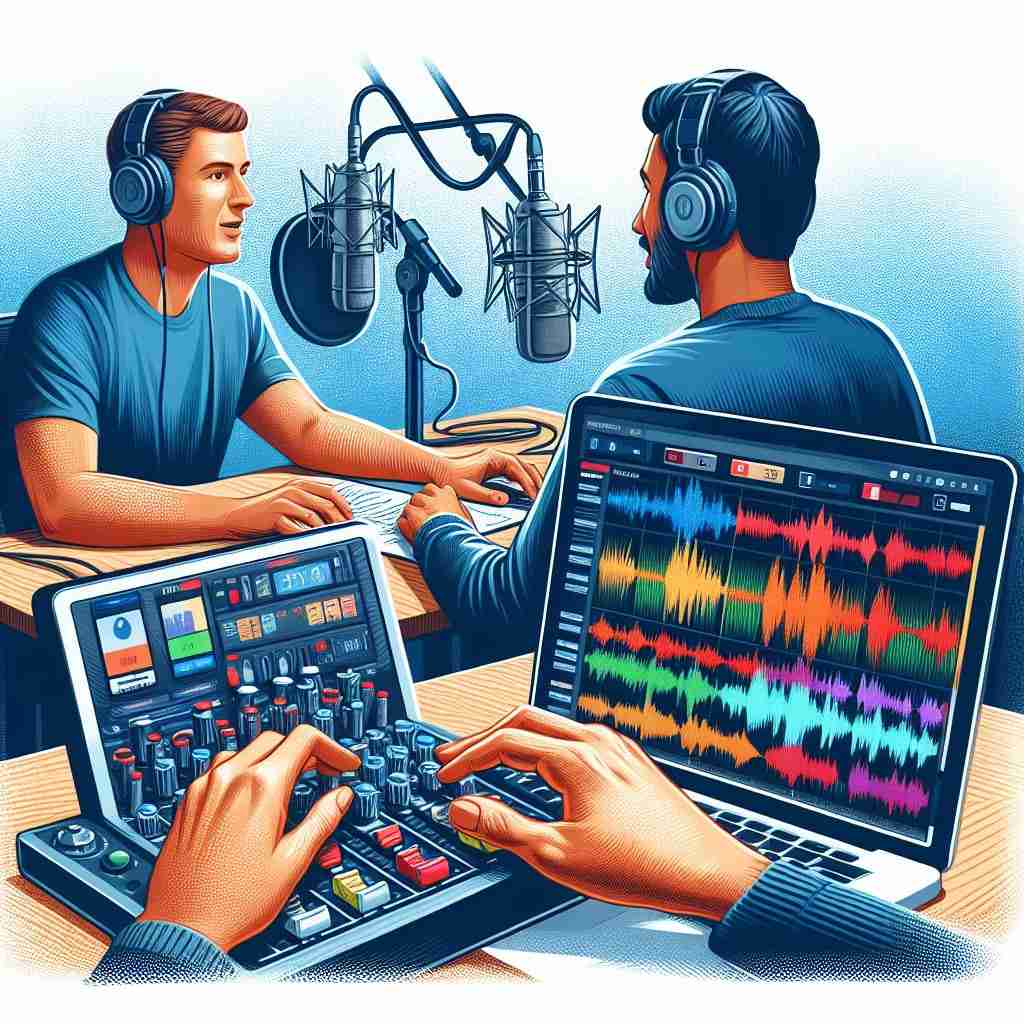
When we look at the world of content creation, two giants stand at opposite ends of the spectrum: podcasting and YouTube. Now, before we dive in, let’s clear the air: both platforms are incredible in their own ways, but they cater to different experiences and audiences.
First off, let’s talk about format. Podcasting is largely an auditory experience. It’s about the voice—the tone, the cadence, the inflection. There’s something uniquely intimate about podcasting; it’s like sitting around a campfire, sharing stories while the world rushes by. Listeners pop in their earbuds, tune out distractions, and immerse themselves in the conversation. It’s an engagement that happens behind closed eyes, while commuting, cooking, or even kicking back on the couch after a long day. The beauty of it? It’s a platform that allows for long-form discussions. There’s no need to fit everything into a tidy package; if a dialogue needs time to breathe, that’s perfectly acceptable.
Now, contrast that with YouTube, where visuals reign supreme. On YouTube, content isn’t just heard; it’s seen. The success of a YouTube video often hinges on its visual appeal—the lighting, the editing, and the range of shots. It’s a show, folks! Creators need to craft compelling visuals to keep viewers engaged. Those flashy cuts, colorful graphics, and engaging thumbnails can make or break a channel. At times, it feels like a flashy carnival ride tugging at your senses—bold, bright, and ever-demanding of your attention.
Then there’s accessibility. You can listen to a podcast almost anywhere—no need for a screen or video. If you’ve got a decent connection, you can listen from your car, during a workout, or while working on a project at home. You’re not glued to a device, and that freedom is liberating! YouTube, on the other hand, thrives on that visual connection. To get the full experience, you need to be present, often staring at a screen. This leaves fewer opportunities for multitasking.
Let’s not forget the community aspect either. Podcasts often foster tight-knit communities, with listeners forming connections through shared interests and discussions. YouTube builds its own communities, but those are often more driven by comments and shares—quick interactions that can feel fleeting.
So, whether you prefer the warm embrace of a podcast’s storytelling or the visual excitement of a YouTube video, it all boils down to one thing: personal preference. Every medium has its unique flavor, and that’s what makes the content landscape a deliciously diverse buffet.
How Does Podcasting Differ from YouTube?
How Does Podcasting Differ from YouTube?
- Podcasting and YouTube are two major content creation platforms that cater to different experiences and audiences.
- Podcasting offers an auditory experience characterized by voice and intimacy, allowing for long-form discussions.
- Listeners engage with podcasts while multitasking, providing flexibility to enjoy content in various situations.
- YouTube focuses on visual content, where elements like lighting and editing are crucial for engagement.
- YouTube requires viewers to be present, limiting opportunities for multitasking compared to podcasting.
- Podcasts foster tight-knit communities through shared interests, while YouTube engages communities via comments and shares.
- The choice between podcasting and YouTube ultimately comes down to personal preference, highlighting the diversity of content mediums.
How Does Podcasting Differ from YouTube?
What Makes YouTube Different From Podcasts?
When you think about the way we consume content these days, it’s easy to see why both YouTube and podcasts have captured our collective attention. They both offer a feast of information, storytelling, and escapism, but they each serve that banquet differently. So, what sets them apart in this digital landscape? Let’s dive into the nitty-gritty.
For starters, the most glaring distinction between the two mediums is their format. YouTube is a visual playground. It’s a platform where creators can showcase their talents, narrate stories, and convey complex ideas with the aid of visuals, graphics, and editing techniques that can leave your head spinning. Ever watched a cooking tutorial or a DIY home project on YouTube? It’s a whole different ball game when you see the ingredients sliced and diced in real-time, or a wall transformed with a simple paint job, compared to merely hearing the steps described.
Podcasts, on the other hand, are like fireside chats that strip away the visuals and focus on what really matters: the conversation. When you pop in your earbuds, you’re not just getting information; you’re getting a vibe. The intimacy of a voice coming through your headphones creates a connection. You might laugh, you might ponder, and you might even shed a tear—all through basic audio. It’s storytelling at its finest, trusting listeners to visualize the world the hosts describe in their narratives.
Now let’s talk about accessibility. YouTube is an always-on spectacle. You can tune in to see live updates, interviews, or spontaneous moments as they happen. But that immediacy can also be a double-edged sword. The endless scroll can lead to decision fatigue, where you spend more time searching for something to watch than actually watching anything. A podcast, conversely, can accompany you seamlessly throughout your day—commuting, exercising, even doing chores—without requiring your eyes to be glued to a screen.
The community aspect also differs. YouTube encourages engagement through comments and likes, allowing creators to receive instant feedback as they build a fan base. In contrast, podcasts foster a more passive connection; listeners may bond with hosts over shared experiences, but the interaction is often less visible.
So, whether you prefer YouTube’s vibrant visuals or the intimate storytelling of podcasts, each offers a unique way to engage with the world. The key is knowing what you’re after—whether it’s the sights and sounds or just the sounds that fill your day.

What Makes YouTube Different From Podcasts?
What Makes YouTube Different From Podcasts?
- YouTube and podcasts have both gained popularity for their unique content consumption styles.
- YouTube is a visual platform that utilizes visuals, graphics, and editing to enhance storytelling.
- Podcasts focus on audio content, creating an intimate atmosphere and deeper emotional connections.
- YouTube offers real-time updates and spontaneous content, though it can lead to decision fatigue.
- Podcasts can be consumed easily during various activities, as they don’t require visual attention.
- YouTube encourages community engagement through comments and instant feedback, while podcast interactions are more passive.
- Both media serve unique purposes depending on whether the audience prefers visual content or audio storytelling.

What Makes YouTube Different From Podcasts?
What are the Benefits of Podcasts vs YouTube for My Business?
In the digital age, business owners are spoilt for choice when it comes to content creation. However, the decision between podcasts and YouTube can feel like choosing between a sturdy truck and a flashy sports car. Each has its own set of benefits, and understanding these can help you steer your business in the right direction.
First off, let’s talk about podcasts. The beauty of audio content lies in its flexibility. People live busy lives, and the ability to listen while they multitask is priceless. Whether they’re commuting, exercising, or even doing yard work, your message can continually echo in listeners’ minds. This convenience means that your audience can engage with your content without having to sit down and watch, something that’s especially appealing in our fast-paced world.
Now, in terms of intimacy and trust, podcasts also have a leg up. When listeners tune in, they’re usually doing so with headphones on, creating a personal connection. The sound of your voice can evoke emotions that a video might not, making it easier to forge authentic relationships with potential customers. When they hear you discussing your business—your challenges, victories, or insider tips—they feel like they know you, which can drive a sense of loyalty that’s hard to replicate elsewhere.
On the other hand, YouTube is akin to that sports car, sleek and visually stimulating. If your brand thrives on visual storytelling—perhaps you have a product that needs to be seen to be appreciated—YouTube might be your best bet. Video allows for creativity that engages through visuals and sound in a way that audio alone cannot. Tutorials, product demos, and behind-the-scenes looks at your business can captivate an audience’s attention, driving engagement and shareability.
However, creating video content can be resource-intensive. It often requires more equipment, editing software, and a solid knowledge of video production, whereas starting a podcast can be as simple as recording on your phone. With podcasts, you can focus on your content without getting bogged down by the technicalities of filming and editing.
Ultimately, the choice between podcasts and YouTube will depend on your audience, your content, and how you want to engage. If you can, why not embrace both? After all, a truck and a sports car can both fit in your garage, and together, they can help you cover more ground.

What are the Benefits of Podcasts vs YouTube for My Business?
What are the Benefits of Podcasts vs YouTube for My Business?
- Content creators today face a decision between podcasts and YouTube, each offering unique benefits.
- Podcasts provide flexibility, allowing listeners to engage while multitasking during their busy lives.
- The intimate nature of podcasts can foster a personal connection and loyalty with the audience.
- YouTube offers visually stimulating content, ideal for brands reliant on visual storytelling.
- Video production requires more resources, such as equipment and editing skills, compared to starting a podcast.
- The choice between podcasts and YouTube depends on audience preferences and content type.
- Utilizing both platforms can maximize reach and engagement for your business.

What are the Benefits of Podcasts vs YouTube for My Business?
What Are The Key Differences Between Podcasts And YouTube?
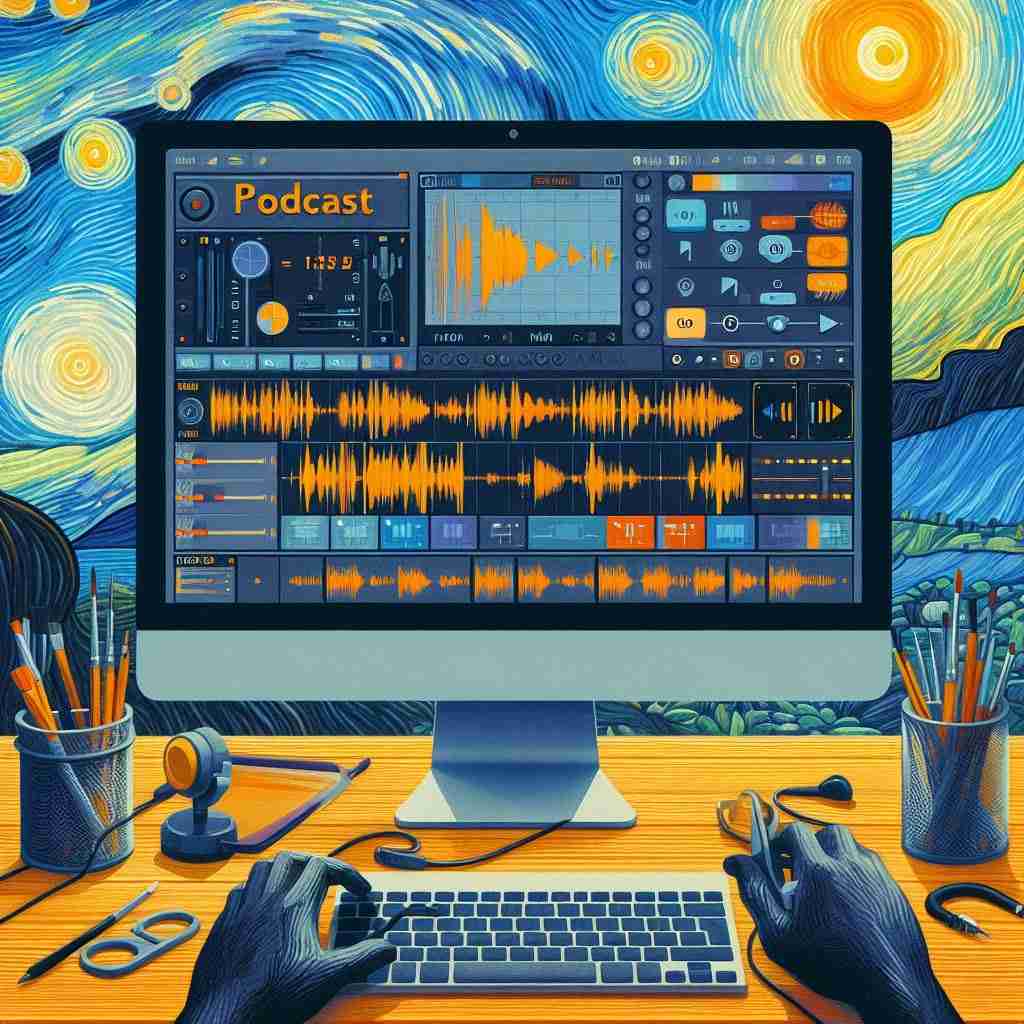
When you get down to it, podcasts and YouTube are two sides of the same coin, each offering unique strengths that cater to different preferences and lifestyles. But let’s dig a little deeper and unwrap the layers, shall we?
One of the starkest differences is the medium itself. Podcasts are an audio-based experience. Picture yourself behind the wheel on a long drive, or taking a stroll through the park—it’s an auditory escape that allows you to immerse yourself in a topic without the distractions of visuals. You don’t have to worry about what you look like while you listen, nor do you have to set aside time to watch. It’s about multitasking; you can fold laundry, work on a project, or even cook dinner while tuning in. It transforms mundane moments into opportunities for learning or entertainment.
Now, switch gears to YouTube, where the visuals take center stage. This platform is a feast for the eyes, offering a dynamic range of content—from makeup tutorials to cooking demonstrations, and yes, even the occasional cat chasing its tail. YouTube harnesses the power of visuals in tandem with audio, making it ideal for tutorials or anything that benefits from seeing it in action. You’re not just hearing a story; you’re watching it unfold right before your eyes. It’s an engaging experience that can evoke emotions through imagery and the nuances of body language that audio alone simply cannot capture.
Then there’s the aspect of community. While both platforms foster interaction, they do so in different ways. YouTube often leans heavily on its comment sections, where viewers can engage directly with creators, sparking conversations or dishing out advice. This dialogue is often more immediate and visible than in the podcasting realm, where discussions tend to float in forums or social media platforms after the episode airs. In the podcasting world, community often takes the shape of more private connections, establishing a loyal audience who eagerly awaits each episode, perhaps feeling a certain intimacy in being ‘invited’ into someone’s thoughts without the visual distraction.
Ultimately, whether you prefer the soothing simplicity of a podcast or the vibrant storytelling of YouTube boils down to personal preference. Each platform holds its distinct allure, appealing to different moods, tasks, and lifestyles—proving that in the realm of content creation, there’s truly something for everyone.
What Are The Key Differences Between Podcasts And YouTube?
What Are The Key Differences Between Podcasts And YouTube?
- Podcasts and YouTube are complementary platforms, each with unique strengths suited to varying preferences and lifestyles.
- Podcasts provide an audio-based experience, perfect for multitasking during activities like driving or cooking.
- YouTube focuses on visuals, making it suitable for content that benefits from seeing action, such as tutorials and demonstrations.
- YouTube engages audiences through visible interaction in comment sections, promoting direct conversations with creators.
- Podcasts foster a sense of intimacy with listeners, building a loyal audience who connects with the creator’s thoughts.
- The choice between podcasts and YouTube ultimately hinges on personal preference and the desired content experience.
- Both platforms offer varied appeal, catering to different moods, tasks, and lifestyles in the content creation realm.

What Are The Key Differences Between Podcasts And YouTube?
How Do Audiences Engage Differently With Podcasts And YouTube?
When it comes to how audiences engage with podcasts versus YouTube, it’s like comparing a well-crafted story read by a fireside to a blockbuster movie that explodes onto the screen. Both formats have their merits, but the ways in which they captivate and retain their audience diverge significantly.
Let’s start with podcasts. Here, the stage is set by voice alone – the intimacy of a storyteller sharing tales directly into your ear. This auditory medium allows listeners to immerse themselves in narratives while multitasking; they might be commuting, jogging, or even fixing dinner. A podcast doesn’t just capture attention; it demands a sort of mental participation. Listeners are invited to conjure images and scenarios, relying solely on the host’s inflection and tone, creating a personalized experience that feels almost intimate. When you find a podcast you love, it’s like stumbling upon a hidden gem. You gather around that virtual fire every week, ready to lose sight of the world outside.
Now, switch gears to YouTube. This platform is a dazzling cacophony of visuals, sound, and instant gratification. It’s like walking into a vibrant carnival where every booth demands your attention. People come for the spectacle – the vivid imagery, the flashy editing, the ability to see and hear at once. Engagement here is often passive; viewers might scroll through endless videos, driven by algorithms that anticipate their desires before they even know them. In a world of clicks and likes, attention can be fleeting. One moment a viewer is enthralled by an in-depth documentary, and the next, they’re whisked away to cat videos or unboxing performances. Audiences may tune in for the entertainment, but they may also be moving on, barely letting the experience settle.
In essence, podcasts serve up a connective thread, weaving a community of listeners eager for shared stories, whereas YouTube presents a fast-paced marketplace of content where visual flair often takes precedence over depth. Audiences engage with podcasts in a way that entangles them into the narrative, fostering loyalty and long-term connection. By contrast, YouTube’s allure might leave watchers dazzled but somewhat detached, hopping from one spectacle to another. Each platform carries its weight, shaping how we consume and connect with information and stories in this digital age.

How Do Audiences Engage Differently With Podcasts And YouTube?
How Do Audiences Engage Differently With Podcasts And YouTube?
- Podcasts offer an intimate storytelling experience, akin to a story read by a fireside.
- Listeners can multitask while immersing themselves in narratives through auditory engagement.
- Podcast consumption requires mental participation, as listeners create their own imagery based on the host’s delivery.
- YouTube is a visually rich platform, resembling a carnival that attracts attention through vivid imagery and sound.
- Engagement with YouTube content is often passive, driven by algorithms that suggest videos based on viewer preferences.
- Podcasts build a community of loyal listeners through shared stories, while YouTube content can lead to a fleeting, detached viewing experience.
- Each platform shapes the way audiences consume and connect with stories and information in the digital age.

How Do Audiences Engage Differently With Podcasts And YouTube?
What Type Of Content Works Best On Podcasts Vs. YouTube?
When it comes to telling stories and sharing insights, two platforms have emerged as titans in their own right: podcasts and YouTube. Each has its strengths and serves its audience in unique ways. So, what type of content shines on these platforms? Let’s dig into it.
First off, let’s talk about podcasts. This medium thrives on deep, engaging conversations and storytelling. Think of it as the perfect backdrop for exploring complex topics, taking the listener on a journey. Imagine a couple of veterans sharing their tales from the front lines or a seasoned expert breaking down the nuances of a subject most folks only scratch the surface of. Podcasts allow for an intimate connection; listeners can tune in while commuting, exercising, or even while they’re trying to solve that pesky little problem in the garage. The key here is to provide substance—whether it’s through interviews, narratives, or thought-provoking discussions, it’s all about creating a rich auditory experience that captivates the mind and ignites the imagination.
Now, let’s shift gears to YouTube. This is a visual arena where energy and spectacle often take center stage. Tutorials, DIY projects, vlogs, and reviews—these are just a few examples of content that flourishes in this vibrant ecosystem. People flock to YouTube for the visuals; when they want to learn how to fix a leaky faucet or get the rundown on the latest tech gadget, they want to see it in action. A well-produced video can convey complex ideas quickly and engagingly, employing a mix of humor, stunning visuals, and clear instructions. The key here is interaction; think snappy edits, captivating thumbnails, and a style that keeps the viewer glued to the screen.
In a nutshell, podcasts shine in the realm of thoughtful discourse and storytelling, where the focus is on the content and its delivery. It’s about making connections through sound, often leading to moments of personal reflection. YouTube, on the other hand, is all about visual stimulation and entertainment—short, engaging content that grabs attention and keeps it moving.
Each platform is like a different tool in a well-equipped toolbox. The podcast is the hammer—great for driving home points with solid narratives, while YouTube is your Swiss Army knife, perfect for all sorts of creative projects. It boils down to the content, the audience, and how you want your message to resonate. Choose wisely!
What Type Of Content Works Best On Podcasts Vs. YouTube?
What Type Of Content Works Best On Podcasts Vs. YouTube?
- Podcasts excel in deep conversations and storytelling, allowing for complex topic exploration.
- They create intimate connections, as listeners can tune in during various activities like commuting or exercising.
- Content on podcasts should focus on substance through interviews, narratives, and thought-provoking discussions.
- YouTube thrives on visual content such as tutorials, DIY projects, vlogs, and reviews.
- Viewers seek visual engagement for practical tasks, preferring to see actions and explanations in real-time.
- YouTube requires a focus on interaction, using captivating visuals, snappy edits, and engaging styles.
- Ultimately, podcasts offer thoughtful discourse while YouTube prioritizes visual stimulation and entertainment.
What Type Of Content Works Best On Podcasts Vs. YouTube?
How Do Production Costs Compare For Podcasts And YouTube Videos?
When it comes to diving into the world of digital content creation, you may be asking yourself a fundamental question: how do the costs of producing a podcast stack up against those of a YouTube video? Well, let’s roll up our sleeves and get into it.
First off, let’s talk gear. At its core, a podcast requires a decent microphone, some basic audio editing software, and a quiet space to record. You don’t need much more than that to get started. Many podcasters find that a good quality USB microphone can set them back anywhere from $50 to $200. Factor in hosting fees for your audio files and perhaps a subscription to editing software, and you’re looking at a total startup cost generally ranging from $100 to $500. It’s relatively low-investment, allowing budding creators to jump in without breaking the bank.
Now, let’s pivot to YouTube. The landscape changes dramatically here. Video production is a beast of its own. To produce content that stands out, you might need a solid camera—think $500 to $1,500, depending on your level of ambition. Don’t forget about lighting, which can usually run you another couple hundred bucks if you’re aiming for that coveted cinematic glow. If you’re serious about your video editing, specialized software might add another $200 to $300 to your expenses. All told, you could easily find yourself investing $1,000 or more before you hit that record button.
But let’s not get lost in the weeds of upfront costs. It’s also essential to consider ongoing expenses. Podcasts have hosting fees that can range from $5 to $100 monthly, depending on how many episodes you produce and how many downloads you anticipate. Meanwhile, YouTube is a bit less predictable; you can spend significant time and money on editing and marketing your videos to gain traction.
Then there’s the time factor. Podcasts can often be produced more quickly than fully-edited videos, which require careful cutting, graphics, and sometimes multiple takes. If you value your time (and who doesn’t?), that’s a significant consideration.
So, to sum it up, if you’re looking for lower upfront costs and quicker production, a podcast might be your best bet. But if you’ve got the resources, desire, and time to craft eye-catching videos, YouTube could be a playground filled with potential. Choose your path wisely, and remember: there’s no one-size-fits-all in content creation.

How Do Production Costs Compare For Podcasts And YouTube Videos?
How Do Production Costs Compare For Podcasts And YouTube Videos?
- Podcasts require minimal equipment, mainly a quality microphone, basic audio editing software, and a quiet recording space.
- Startup costs for podcasts typically range from $100 to $500, making them a low-investment option for creators.
- YouTube video production involves higher costs, with cameras priced between $500 to $1,500 and additional expenses for lighting and editing software.
- Overall, launching a YouTube channel can easily exceed $1,000 in upfront costs.
- Ongoing expenses differ; podcast hosting fees range from $5 to $100 monthly, while YouTube expenses for editing and marketing can vary widely.
- Podcasts can be produced more quickly than videos, which often require extensive editing and multiple takes.
- Podcasts offer lower costs and faster production, while YouTube channels provide opportunities for visually engaging content.

How Do Production Costs Compare For Podcasts And YouTube Videos?
Conclusion
As we pull into the conclusion of this discussion on the choice between podcasts and YouTube, it’s clear that each platform has carved out a unique niche in the vast landscape of digital media. Think of it like standing at the intersection of a busy road. To the left, you have the comforting sounds of podcasts, like a friend sharing stories over coffee. To the right, the vibrant chaos of YouTube beckons, overflowing with eye-catching visuals and dynamic content. Your choice here largely mirrors your lifestyle, preferences, and what you hope to glean from your media consumption.
Podcasts offer an auditory escape that thrives on intimacy and depth. They’re the perfect companion for those multitasking moments—cooking, cleaning, or simply soaking in the sound while jogging through the park. There’s something profoundly personal about slipping in your earbuds and becoming enveloped in the rich narratives and discussions that unfold. You’re not just hearing data; you’re engaging with ideas, often allowing your imagination to paint the pictures.
On the other hand, YouTube serves up a spectacular visual feast. Want to learn how to fix a leaky faucet? Prefer to dive into an engaging travel vlog? It’s all right there, beautifully packaged and often infused with lively editing techniques that pull you in, demanding your gaze. The interactivity and immediacy of the platform add another layer, allowing viewers to engage, comment, and become part of the discourse.
But let’s be honest, both platforms can coexist in your content diet. There’s no need to pick a side. Why not embrace the best of both worlds? Shift between the comfort of a podcast while you’re driving and the thrilling visual escapades on YouTube at home. Ultimately, it’s about personal preference and finding the right rhythm that suits your everyday life.
In this age of digital options, don’t shy away from testing the waters with both mediums. Dive into the warm, comforting embrace of a podcast, and then hurl yourself into the colorful, fast pacing of a YouTube video. After all, each platform tells a story, and as a savvy media consumer, it’s your job to enjoy the show. So go ahead, give both a whirl, and find out what works best for you. There are no wrong choices, just the thrill of discovery in this rich buffet of content.

Conclusion
Conclusion:
- Podcasts and YouTube each have a unique niche in digital media.
- Podcasts provide an intimate auditory experience, ideal for multitasking.
- YouTube offers visually engaging content with lively editing and interactivity.
- Both platforms can coexist in your media consumption habits.
- Personal preference and lifestyle determine your choice between the two.
- Explore both mediums to discover what resonates with you.
- Embrace the diversity of content available without worrying about making a wrong choice.

Conclusion
Other Resources
Other Resources
Here is a list of other resources you can review online to learn more:
- Blubrry
- Alitu
- Minnect
- Column1
- CastBox
- Line
- Podcast Studio
- Patreon for Podcasters
- Podcast Index
- AI Success Cast
Use This Prompt To Get More Resources With Your Favorite Online AI Tool: Please provide me with a list of online articles with their URLs in a bulleted list that I can read regarding Are Podcasts Or YouTube Best For You?

Other Resources
Glossary Terms
Are Podcasts Or YouTube Best For You? – Glossary Of Terms
1. Podcast: An audio program that can be downloaded or streamed, often produced as a series on specific topics.
2. YouTube: A video-sharing platform where users can upload, view, and share videos, covering a vast range of content.
3. Content Type: The format in which information is delivered, either audio (podcast) or video (YouTube).
4. Accessibility: The ease with which users can access content. Podcasts can be listened to on-the-go, while YouTube requires visual attention.
5. Target Audience: The specific group of people that content is designed for, influencing whether to choose podcasting or YouTube.
6. Monetization: The methods employed to generate revenue from content, including ads, sponsorships, and crowdfunding options.
7. Engagement: The level of interaction between creators and their audience, which can vary significantly between podcasts and YouTube.
8. Production Quality: The technical quality of audio or video, impacting audience experience and perception of professionalism.
9. Platform Algorithm: The system used by platforms like YouTube to recommend content to users, influencing visibility and reach.
10. Visual Content: The aspect of media dedicated to images and video, specific to platforms like YouTube.
11. Audio Quality: The clarity and fidelity of sound in podcasts, essential for listener enjoyment and engagement.
12. Editing: The process of refining content by cutting unnecessary parts and enhancing audio/video quality.
13. Streaming: The method of playing audio or video content live over the internet without downloading.
14. Downloadability: The ability for users to download episodes or videos for offline access, relevant mainly for podcasts.
15. Subscription Model: A structure where users can subscribe to receive updates and new episodes from creators.
16. Niche Content: Specialized topics that cater to specific interests, attracting targeted listener or viewer bases.
17. Social Media Integration: The use of social media platforms to promote podcast or YouTube content and interact with the audience.
18. Episode Length: The duration of content, which can vary between formats. Podcasts often have longer episodes, while YouTube videos might be shorter.
19. Cross-Promotion: The practice of promoting content across different platforms to increase audience reach, such as sharing podcast episodes on YouTube.
20. Live Streaming: Broadcasting content in real-time, a feature available on both podcasts (rarely) and YouTube.
21. Listener/Viewer Experience: The overall satisfaction and interaction users have with the content, influenced by format and delivery.
22. SEO (Search Engine Optimization): The practice of optimizing content to rank higher in search results, important for discoverability on both platforms.
23. Content Creation: The act of producing audio or video material for audience consumption, requiring different skills for each platform.
24. Audience Retention: The ability to keep users engaged throughout the content, a critical metric for both podcasts and YouTube.
25. Call to Action (CTA): A prompt encouraging listeners or viewers to take a specific action, such as subscribing or leaving a review.
26. Analytics: Metrics and data collected about audience behavior, helping creators understand engagement and content performance.
27. Hosting Platform: The service used to publish and distribute podcasts or videos, critical for accessibility and distribution.
28. User Interface (UI): The design and layout of the platform used to access content, affecting user experience.
29. Marketing Strategy: The plan used to promote content effectively to reach and grow the audience, which may vary between podcasts and YouTube.
30. Crossover Appeal: The ability of content to attract audience members from both mediums, enhancing reach and impact.
Glossary Of Terms
Other Questions
Are Podcasts Or YouTube Best For You? – Other Questions
If you wish to explore and discover more, consider looking for answers to these questions:
- What are the advantages of creating content on podcasts compared to YouTube?
- How do audience demographics differ between podcast listeners and YouTube viewers?
- What types of topics are most popular on podcasts and YouTube?
- How can I effectively promote my podcast or YouTube channel?
- What are the best practices for increasing listener engagement on podcasts?
- Are there specific tools or software recommended for podcast production versus video editing?
- How do monetization options differ between podcasts and YouTube?
- What are some successful examples of brands using podcasts or YouTube for marketing?
- How do podcasters and YouTubers build their communities differently?
- What are the potential pitfalls to be aware of when starting a podcast or YouTube channel?
- How can I repurpose content from my podcast or YouTube channel effectively?
- How do the growth and reach statistics compare between podcasts and YouTube channels?

Other Questions
Haiku
Are Podcasts Or YouTube Best For You? – A Haiku
Choose sound or vision,
Podcasts whisper, YouTube shines,
Find your path, engage.

Haiku
Poem
Are Podcasts Or YouTube Best For You? – A Poem
In a world alive with choices bright,
Pods whisper secrets, bathe in light,
Earbuds snuggled as voices flow,
A tapestry woven, thoughts aglow.
Podcasting, a dance of voice and tone,
Intimacy captured in a space unknown,
While dishes clatter and engines hum,
Stories unfold, inviting us to come.
Yet there stands YouTube, a vibrant feast,
Colors and visuals that never cease,
A carnival of wonders, wild and free,
Hands-on tutorials and vlogs to see.
Where podcasts lend room for thoughts to roam,
YouTube’s bright visuals call us home,
An escape into realms of bright delight,
Where creators dazzle, igniting the night.
Each path has charms, unique, defined,
Auditory solace or a visual climb,
Podcasts, a journey deep and profound,
YouTube, a scroll where specters abound.
In busy lives, let whispers be heard,
While screens flicker, let images stir,
A harmony found, no need to choose—
Embrace both worlds, let none be diffused.
So whether you’re chasing that fleeting sound,
Or watching the stories that swirl all around,
Dig deep into both, find your own way,
For in sound and sight, there’s magic each day.
Poem
Checklist
Are Podcasts Or YouTube Best For You? – A Checklist
1. Determine Your Preferred Format:
_____ Do you prefer audio content for multitasking or visual content for engagement?
_____ Are you comfortable consuming information without visuals or do you need to see it?
2. Assess Your Lifestyle:
_____ Do you often find yourself on the go (e. g. , commuting, exercising)?
_____ Are you willing to dedicate time to watch videos or do you need content that allows for multitasking?
3. Identify Your Content Goals:
_____ Are you looking to tell stories, conduct interviews, or engage in deep discussions? (Consider Podcasts)
_____ Do you want to provide tutorials, product demos, or visual storytelling? (Consider YouTube)
4. Consider Your Equipment and Budget:
_____ Do you have a decent microphone for podcasting? (Estimate initial costs: $50 _____ $200)
_____ Are you equipped for video production (camera, lighting, editing software)? (Estimate costs: $1,000+)
5. Evaluate Your Audience Engagement Strategy:
_____ Does your target audience prefer passive content consumption or interactive engagement?
_____ How do you want to build community? (Discuss in-depth via podcasts or quick feedback through comments on YouTube)
6. Think About Accessibility:
_____ Can your audience easily listen to episodes during activities like driving or house chores?
_____ Will your audience have time to sit down and watch videos?
7. Measure Production Time & Effort:
_____ Are you prepared to handle the longer production times typically required for video editing?
_____ Are you able to produce audio content more quickly and efficiently?
8. Explore Content Cross-Promotion:
_____ Would your business benefit from a combination of both formats?
_____ Are you open to creating a multi-platform strategy that utilizes both podcasts and YouTube?
9. Analyze Community Interaction:
_____ Do you prefer to build a loyal and intimate audience through podcasts?
_____ Are you looking for instant feedback and community interaction via comments on videos?
10. Personal Preference:
_____ Reflect on which platform you personally enjoy using more when consuming content.
_____ Consider your motivation for content creation: Is it visual creativity or storytelling through sound?
By using this checklist, you can better determine whether podcasts or YouTube is the ideal platform for your listening and viewing needs based on your preferences and lifestyle.

Checklist
At PodcastBig, we help people who want to learn about podcasting by collating information and news about podcasting.
Be sure to read our other related stories at PodcastBig to learn more about podcasting.