

Uncover The Silent Podcast Killer
By Tom Seest
At PodcastBig, we help people who want to learn about podcasting by collating information and news about podcasting.
Be sure to read our other related stories at PodcastBig to learn more about podcasting.
Are Hidden Audio Issues Driving Your Podcast Listeners Away?
The Silent Saboteur
Picture this: you’ve poured your heart and soul into crafting the perfect podcast episode, weaving together stories, insights, and humor that you know your audience will love. You hit “publish” with excitement bubbling in your chest, only to realize later that those long-winded rants about the intricacies of oat milk were drowned out by a cacophony of background noise. You wonder, how could this be? How could something so seemingly trivial drive your listeners away?
You see, hidden audio issues are a bit like a family of raccoons in the attic—they’ll ruin your podcast experience before you even know they’re there. You’re speaking from your heart, and yet, somewhere between your passionate monologue on the best sandwich shops and the hundredth “um,” your clarity goes tumbling into the abyss. Let’s face it: no one wants to squint in concentration, straining to catch the genius buried beneath countless “oops” and random clicks. A seamless listening experience matters.
Think back to a show you enjoyed only to be met with that dreaded static or incessant tapping noise in the background. Frustrating, wasn’t it? You might remember getting halfway through and simply deciding to move on. That lost trust in a podcast is hard to regain. Your listeners deserve better, and you owe it to them to deliver more than just words.
So, how do you ensure that what you deliver is crystal clear and undistracted? Start with a solid foundation—invest in a good microphone and learn to utilize the sound editing software available to you. Experiment with noise gates, equalization, or compression, and, most importantly, listen back to your own recordings. Pay attention to the nuances that can fall through the cracks.
And here’s the kicker: once you’ve tackled those hidden audio issues, engage with your listeners! Ask them for feedback. Create a community around your podcast where people feel comfortable sharing their thoughts. Trust builds not just through content, but through a connection, ensuring that every listener feels valued and heard.
Your podcast isn’t just a collection of episodes; it’s a conversation. So, let’s make sure that conversation is one worth tuning into. Clean up those pesky audio issues, and watch your listeners stick around for the next episode—even that one about oat milk.
Are Hidden Audio Issues Driving Your Podcast Listeners Away?
Are Hidden Audio Issues Driving Your Podcast Listeners Away?
- Podcast quality can be significantly affected by hidden audio issues, such as background noise.
- Listeners can lose interest if they struggle to hear the content due to distractions like static or clicks.
- Delivering a seamless listening experience is crucial for maintaining audience trust and engagement.
- Investing in good recording equipment and sound editing software is essential for better audio quality.
- Using tools such as noise gates and equalization can enhance the clarity of your podcast.
- Encourage listener feedback to build a community around your podcast and strengthen connections.
- Focus on creating a valued conversation within your podcast to keep listeners coming back for more.

Are Hidden Audio Issues Driving Your Podcast Listeners Away?
Table Of Contents
- Are Hidden Audio Issues Driving Your Podcast Listeners Away?
- What Are The Common Audio Issues Affecting Podcasts?
- How Can Background Noise Impact Listener Retention?
- Are Audio Levels Inconsistent Between Podcast Segments?
- What Role Does Sound Quality Play In Listener Engagement?
- How Do Audio Compression Techniques Influence Podcast Clarity?
- Can Poor Editing Choices Frustrate Podcast Audiences?
- What Equipment Can Help Reduce Audio Problems In Podcasts?
- Conclusion
- Other Resources
- Glossary Of Terms
- Other Questions
- Haiku
- Poem
- Checklist
What Are The Common Audio Issues Affecting Podcasts?
Let’s face it: podcasts are an incredible way to share stories, ideas, and conversations that can brighten your day or challenge your thinking. But dive into the audio realm, and suddenly, you realize that not every podcast is created equal—especially when it comes to sound quality. And if you’ve ever cranked up the volume only to hear an echo that makes everything sound like it’s happening in a tin can, you know exactly what I’m talking about.
One common issue that plagues many aspiring podcasters is background noise. Whether it’s cars honking outside your window, the refrigerator humming in the background, or your neighbor’s dog auditioning for a role in a horror film, these disruptive sounds can overshadow the gold you’re trying to share. Imagine someone tuning in to hear your compelling insights, only to be distracted by a cacophony of chaos. Not exactly the connection you hoped to build!
Then there’s the challenge of inconsistent audio levels. You know the drill: one moment you’re leaning in, hanging on every word, and the next, your favorite host has dropped to a whisper that leaves you scrambling for the volume knob. It can feel like a rollercoaster ride—exciting but frustrating. If your listeners have to work that hard to keep up, they might just decide to take a detour to the next podcast up the road.
And let’s not overlook distortion. If you record too hot, that preliminary excitement can turn into an audio nightmare, reducing your carefully crafted content into a garbled mess. It’s like preparing a gourmet meal, only to set it on fire just before serving.
But while these audio issues might seem daunting, they don’t have to be. With a little know-how and a willingness to learn, you can turn your podcast into a well-polished gem that listeners can’t resist.
Invest in quality microphones and record in a quiet space, get familiar with audio editing software, and practice your delivery. The beauty of the medium is that we can continuously refine our craft, making each episode better than the last. So, roll up your sleeves and get ready to tackle those audio hurdles head-on. Your listeners will thank you, and who knows? You might just find a community eager to share your journey in this wonderful world of podcasts!

What Are The Common Audio Issues Affecting Podcasts?
What Are The Common Audio Issues Affecting Podcasts?
- Podcasts are an effective medium for sharing stories, ideas, and conversations.
- Sound quality varies significantly among podcasts, affecting listener experience.
- Background noise is a common issue that can distract from the content.
- Inconsistent audio levels can frustrate listeners and disrupt engagement.
- Recording too loudly can cause distortion, ruining the quality of content.
- Improving audio quality requires investment in equipment and knowledge of editing.
- With practice and dedication, podcasters can refine their craft and build a loyal audience.

What Are The Common Audio Issues Affecting Podcasts?
How Can Background Noise Impact Listener Retention?
We’ve all been there. You’re ready to immerse yourself in a captivating podcast, perhaps eager to hear the latest scoop on that niche topic that hues your interests. But what happens next? You press play, and suddenly, instead of the engaging voice of the host, you’re greeted by the dull roar of the dishwasher, the blaring of an adjacent TV show, or the distant chatter of a coffee shop. Instantly, your focus wavers like a ship tossed on choppy seas. That’s the beauty—and the challenge—of audio: it’s as delicate as a glass ornament but as impactful as a freight train.
Background noise doesn’t just distract; it fundamentally alters our capacity to absorb information. Picture yourself in a bustling city, trying to have a conversation amidst honking horns and revving engines—what a challenge! In an environment rife with auditory clutter, it becomes difficult to tether your attention to the message being conveyed. Listeners can easily find themselves tuning out, subconsciously opting for silence over the struggle to decode the host’s wisdom layered beneath the noise.
Research shows that when our auditory senses are overwhelmed, it leads to cognitive overload. We simply can’t hold onto the key takeaways or the vital lessons the podcaster is eager to share. In fact, listener retention can decrease dramatically in environments where distractions reign supreme. The simple truth is: if a podcast struggles to hold our attention due to distractions, it risks becoming just another flickering light in the never-ending backdrop of our busy lives.
Now, you might wonder how to maximize your podcast experience in a world bursting with background clatter. Here’s an enlisted plan: create a sanctuary for listening. Find your cozy nook, turn off that clattering dishwasher, and file away the distractions. Even consider headphones, which can act as a shield, enveloping you in sound while insulating you from the chaos surrounding you.
Ultimately, listening is an art, a commitment to engaging not just with content but with the very essence of the story being told. By embracing a noise-conscious approach, not only will you enhance your comprehension, but you’ll also show the podcast creators that their efforts are indeed valued, inspiring them to craft even better stories. After all, a clear message deserves a clear path to your ears!

How Can Background Noise Impact Listener Retention?
How Can Background Noise Impact Listener Retention?
- Background noise can distract and hinder the ability to absorb information while listening to podcasts.
- Auditory clutter makes it challenging to concentrate on messages, leading to listeners tuning out.
- Cognitive overload occurs when overwhelmed by noise, reducing listener retention of key takeaways.
- Distractions can cause podcasts to fade into the background of busy lives.
- To maximize podcast experiences, create a distraction-free listening environment.
- Using headphones can help insulate against surrounding chaos and enhance audio experience.
- Engaging with podcasts thoughtfully shows appreciation for creators and encourages better storytelling.

How Can Background Noise Impact Listener Retention?
Are Audio Levels Inconsistent Between Podcast Segments?
Picture this: you’re cruising along in your car, the road unfurling ahead like a giant ribbon, and your favorite podcast is humming along in the background. Suddenly, the calm, soothing voice of the host is interrupted by a loud jolt—an ad for something that could only be described as a “must-have” invention, blaring at a volume that would wake the dead. You adjust the knob, your patience wearing thin. What’s the deal here? Are audio levels inconsistent between podcast segments, or is it just you?
Let’s dive into this little audio adventure together. Podcasts have become one of our preferred means of storytelling and learning. But unlike a polished movie or a radio broadcast, the sound quality can be a bit of a mixed bag. You might find yourself bobbing your head to a well-balanced segment, only to get your eardrums blasted in the next. It’s frustrating, isn’t it? But you’re not alone in this experience. Many listeners have felt that push and pull, that rollercoaster of volume that keeps them on the edge of their seats—or reaching for the volume dial.
The inconsistency often arises from the nature of how podcasts are produced. Many hosts record in different environments, sometimes using gear that ranges from high-end microphones in a soundproof room to a humble setup in a coffee shop. Each setting influences the audio captured. And let’s not forget editing! Some segments might be smoothed out and balanced, while others are last-minute additions. It’s like a buffet: some dishes are generously portioned, while others barely contain a morsel.
So, what’s the takeaway here? As podcast enthusiasts, it’s essential we cultivate patience and understanding. The beauty of this platform lies in its diverse voices and stories. If we can advocate for better audio standards and encourage hosts to mind those levels, we elevate the medium. Feel empowered to reach out to your favorite creators with constructive feedback. A thoughtful email might be the spark that ignites change.
Next time that jarring volume shift catches you off guard, remember this—podcasts are a work in progress, just like all of us. Embrace the journey, and together, let’s make this listening experience a little smoother for everyone.

Are Audio Levels Inconsistent Between Podcast Segments?
Are Audio Levels Inconsistent Between Podcast Segments?
- Podcasts are a popular medium for storytelling and learning.
- Audio quality can vary significantly between different podcast segments.
- Listeners often experience inconsistent volume levels, leading to frustration.
- Variation in audio comes from different recording environments and equipment used by hosts.
- Edit quality can vary, with some segments well-balanced while others are not.
- Listeners should cultivate patience and understanding regarding audio differences.
- Constructive feedback to podcast creators can help improve audio standards.
Are Audio Levels Inconsistent Between Podcast Segments?
What Role Does Sound Quality Play In Listener Engagement?
Picture this: you’ve got a fresh cup of coffee in hand, the sun is shining through your window, and you’re ready to dive into your favorite podcast. But then it hits you—the sound quality is so poor you can barely make out what’s being said. What once promised to be an engaging discussion quickly turns into a test of your patience. Sound quality isn’t just a trivial detail; it’s the very foundation of listener engagement.
Imagine waiting all week for a podcast episode that dives deep into a topic you’re eager to explore. You hit play, and instead of crisp voices and melodious sounds, you’re met with muffled audio and a backdrop of hissing static. It’s disappointing, isn’t it? Ideally, good sound quality does more than ensure clarity; it creates a setting. It immerses listeners, drawing them into the conversation as if they’re sharing a dialogue with friends around the dinner table.
Now, let’s be honest—sometimes we don’t realize how much sound quality can affect our experience until we listen to that one podcast that gets everything right. You can feel each speaker’s enthusiasm, the way their voices dance off each other, creating a compelling atmosphere that keeps you coming back. That’s the magic of sound quality. It’s about crafting an experience that transforms passive listeners into active participants.
In a digital world flooded with content, standing out is crucial. When a podcast prioritizes sound, it sends a powerful message: “I respect your time, and I value your experience.” This level of care fosters trust and confidence; listeners are more likely to engage, share, and return for future episodes.
Okay, so how do you make sure your podcast hits those high notes? Start small. Invest in a quality microphone, find a quiet space, and pay attention to editing. Take the time to fine-tune your audio so that when you say “hello,” it not only sounds good, but it feels good, too. Because when listeners feel connected—when they hear clarity, warmth, and professionalism—they can’t help but engage with your content on a deeper level. It’s about weaving sound quality into the very fabric of your podcast, transforming everyday moments into extraordinary ones and ensuring your audience returns for more.

What Role Does Sound Quality Play In Listener Engagement?
What Role Does Sound Quality Play In Listener Engagement?
- Poor sound quality can detract from the listener’s engagement with a podcast.
- Good sound quality ensures clarity and creates an immersive listening environment.
- High-quality audio allows listeners to feel connected and engaged in conversations.
- Sound quality can make the difference between a disappointing experience and a compelling one.
- Prioritizing sound sends a message of respect for listeners’ time and experience.
- Investing in quality equipment and space is essential for enhancing audio quality.
- Improved sound transforms ordinary moments into extraordinary experiences, encouraging listener loyalty.

What Role Does Sound Quality Play In Listener Engagement?
How Do Audio Compression Techniques Influence Podcast Clarity?
If you’ve ever settled in with your favorite podcast—like a cozy blanket on a chilly evening—you know the magic that can happen when the audio is seamless, crisp, and crystal clear. On the flip side, a muddled sound can be like trying to watch your favorite film through a muddy window. So, what’s at play behind the scenes of your beloved podcast that can make or break that experience? Enter audio compression techniques—those unsung heroes of podcast clarity.
Think of audio compression as a sophisticated tool, much like a handyman’s toolbox. It’s designed to tame the wild peaks and valleys of sound waves, balancing everything from voice nuances to background noise. By squashing the dynamic range—where the loudest and softest sounds live—the right compression technique helps create a more consistent listening experience. No one wants to crank up their volume just to hear a whisper, only to be blasted away by a sudden burst of laughter or music, right? Compression swoops in to save your eardrums, crafting an auditory journey that’s smooth from start to finish.
But let’s be real: not all compression is created equal. Some methods may introduce unwanted artifacts—like distortion or a muffled voice—making you feel as if you’re eavesdropping from the other side of a wall. On the contrary, the right approach can enhance clarity, ensuring that each host’s delivery is as engaging as a conversation over coffee. So, when you’re creating or selecting a podcast, consider the role of compression as you would a chef perfecting a recipe. The right mix can leave your audience hungry for more, while a poorly balanced dish could send listeners running for the exit.
The secret sauce isn’t just about making things sound nice; it’s also about creating a connection with your audience. When they can hear every inflection, every chuckle, and every sigh of the hosts, they feel like they’re part of the dialogue. That’s what transforms passive listeners into loyal fans—people who feel that familiar warmth of a good chat, no matter where they are in the world.
So, whether you’re a podcaster striving for that perfect sound, or a listener seeking the best experiences, keep your ears open and your expectations high. The right audio compression can elevate your podcast from good to unforgettable, turning each episode into an audible delight.

How Do Audio Compression Techniques Influence Podcast Clarity?
How Do Audio Compression Techniques Influence Podcast Clarity?
- Podcasts rely on seamless, clear audio for an enjoyable listening experience.
- Audio compression techniques help balance sound levels, enhancing clarity and consistency.
- Compression reduces the dynamic range, preventing abrupt volume changes that can be jarring.
- Not all compression methods are effective; some may introduce artifacts like distortion or muffled audio.
- The right compression enhances host delivery, making conversations engaging and relatable.
- Good audio quality fosters a connection with listeners, transforming them into loyal fans.
- High-quality audio compression can significantly enhance a podcast’s overall impact and enjoyment.

How Do Audio Compression Techniques Influence Podcast Clarity?
Can Poor Editing Choices Frustrate Podcast Audiences?
Let’s face it: we live in a world where our time is more precious than gold. So when we hit that play button on a podcast, we’re not just tuning in; we’re expecting an experience that’s smooth, engaging, and worth every second of our attention. But poor editing choices can turn that experience into a frustrating slog.
Imagine this: you’re driving down a scenic road, the sun is shining, and you’re in the groove of a great podcast episode. Suddenly, you hit a bump—an awkward pause that stretches longer than a winter’s day, a jarring cut that feels like someone abruptly changed lanes without signaling. Just like that, the magic is broken. You find yourself grimacing, wondering if you’ve accidentally wandered into an audio train wreck. It’s a disservice to the countless hours of storytelling and hard work that went into creating the content.
Editing isn’t just about trimming the fat; it’s an art form that shapes the narrative, allowing personalities to shine while keeping the momentum flowing. When cuts are clunky or transitions are non-existent, it leaves listeners feeling disconnected, as if they’re drifting off course instead of enjoying the ride. Think of it this way: a well-edited podcast is like a fine-tuned engine—smooth, efficient, and ready to take you places. A poorly edited one, on the other hand, rattles along like an old jalopy, causing listeners to question whether it’s worth their time.
It’s easy to overlook the nuances of editing when you’re in the thick of producing a podcast. But remember, every listener is an ally in your storytelling journey, and the connection you forge relies heavily on that seamlessness. Trust is built on a consistent experience; when you respect your audience’s time and ears, they will repay you with loyalty and engagement.
So, what can you do? Go back to the basics. Listen, really listen, to your work-in-progress and put yourself in your audience’s shoes. Embrace the feedback from your fellow creators and trusted listeners. By refining your editing process and prioritizing clarity over chaos, you’ll transform those bumps into a smooth highway that keeps listeners coming back for more. Remember, in the world of podcasts, excellence isn’t just an aspiration; it’s a commitment to everyone who clicks download.

Can Poor Editing Choices Frustrate Podcast Audiences?
Can Poor Editing Choices Frustrate Podcast Audiences?
- Time is precious; listeners expect a smooth and engaging podcast experience.
- Poor editing can transform an enjoyable podcast into a frustrating experience.
- Clunky cuts and awkward pauses disrupt the flow and disconnect listeners.
- Effective editing shapes the narrative and highlights personalities while maintaining momentum.
- A well-edited podcast enhances listener engagement, unlike a poorly edited one.
- Listen closely to your work and consider listener feedback for better editing.
- Prioritize clarity in your editing to build trust and loyalty among your audience.

Can Poor Editing Choices Frustrate Podcast Audiences?
What Equipment Can Help Reduce Audio Problems In Podcasts?
Let’s face it: nothing can derail a great podcast quicker than poor audio quality. You might have the most compelling stories to tell or the wittiest banter, but if your listeners can’t hear you clearly, all that hard work goes right down the drain. So, before you hit record, let’s talk about some essential tools that’ll help you reduce those pesky audio problems, making your podcast a genuine pleasure to listen to.
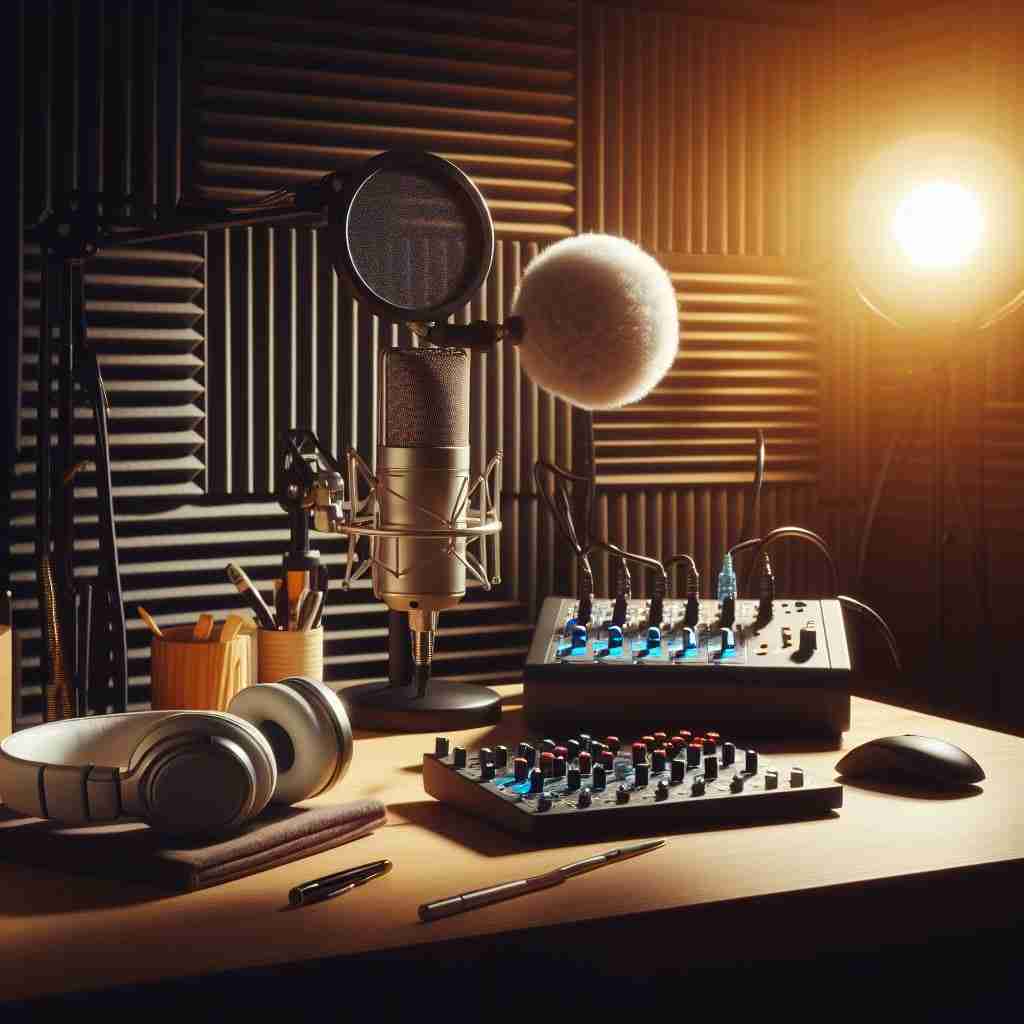
First on the list is a quality microphone. Picture this: you’re at a local diner, and the sizzling bacon drowns out your conversation. That’s what a cheap microphone does to your voice. Investing in a good microphone—whether a dynamic or condenser type—can make a world of difference. You want something that captures your voice without picking up all the background noise. Trust me, your audience will thank you.
Next up, you might want to consider a pop filter. You know those plosive sounds we make while using words that start with “p” and “b”? They can be jarring in a podcast. A pop filter acts as a barrier, smoothing out those sharp sounds and ensuring your vocal delivery remains crystal clear. Think of it as a friendly buffer between you and the mic, helping to keep those audio hiccups at bay.
Then there’s the importance of monitoring your sound with headphones. You wouldn’t take a road trip with a broken GPS, right? Headphones allow you to hear exactly what the audience will hear. You can catch audio issues in real-time, adjusting your performance on the fly. It’s all about keeping that connection with your listeners—making sure they feel like they’re right there with you on this journey.
Don’t overlook the role of audio editing software either. Programs like Audacity or GarageBand can be your best friends. They enable you to iron out any rough patches, balance volume levels, and even add music and effects that elevate your podcast to new heights. With the right tools, you can transform an average recording into an engaging, professional product that retains your audience’s interest.
In short, investing in the right equipment is more than a mere choice—it’s a commitment to quality. Quality that resonates with listeners and builds a connection that keeps them coming back for more. So go ahead, grab that microphone, put on your headphones, and get started— your podcasting adventure awaits!

What Equipment Can Help Reduce Audio Problems In Podcasts?
What Equipment Can Help Reduce Audio Problems In Podcasts?
- Poor audio quality can derail a podcast, regardless of content quality.
- Investing in a quality microphone is essential to capture clear audio and minimize background noise.
- A pop filter helps reduce plosive sounds, ensuring vocal clarity during recordings.
- Using headphones allows real-time monitoring of sound, enabling adjustments during recording.
- Audio editing software like Audacity or GarageBand can enhance recordings and ensure professional quality.
- Investing in the right equipment reflects a commitment to producing quality content that engages listeners.
- Quality equipment fosters a connection with the audience, encouraging them to return for more episodes.

What Equipment Can Help Reduce Audio Problems In Podcasts?
Conclusion
Alright, folks, let’s bring it home. If you’re producing a podcast, you’ve likely put a lot of time, effort, and maybe even a few sleepless nights into crafting every episode. So it’s downright frustrating to think that those heartfelt stories, insights, and jokes—the ones you’re just itching to share—might get lost in audio chaos. Picture this: you’ve hit “publish” on your latest episode, only to find that the background noise and inconsistent levels drown out all your hard work. It’s as if a raccoon snuck into your attic and threw a rager while you were out. Hidden audio issues are the silent saboteurs of your podcasting dreams, stealing away listeners before they even get to the good stuff.
Now, we’ve all experienced that moment of frustration when a podcast you love suddenly morphs into an echoing disaster, forcing you to wrestle with jarring volume shifts or maddening static. Those podcasting pitfalls—like the sounds of dishwashers, barking dogs, or random ambient noise—can turn an enjoyable experience into a frustrating one. Amid a sea of audio options, poor sound quality can feel like a car driving into a speed bump at 100 miles per hour: jarring and disruptive. If your audience has to wrestle to hear you—if they feel more like they’re tuning in to a disaster rather than an insightful conversation—they’re likely to seek entertainment elsewhere.
But here’s the good news: turning your podcast into an audio masterpiece is entirely within your grasp. Invest in quality microphones and a reliable sound editing software, and don’t shy away from exploring noise gates or equalization. Those little tweaks can make all the difference between a podcast that gets the silent treatment and one that earns a place in a listener’s mental rotation. And don’t forget about community; engage with your listeners. Ask for their feedback and hear what resonates—or what doesn’t—because, at its core, podcasting is all about connection.
In this crowded digital landscape of noisy distractions, by finally addressing those pesky audio problems, you’ll not only refine your craft but build a solid relationship with your audience. They’ll stick around for the oat milk rants and deep dives into your favorite topics because you’ve given them an experience worth tuning into. So roll up those sleeves, tackle those audio challenges head-on, and watch your listener base grow. Buckle up, because with clarity and intention, your podcast journey is only just beginning!

Conclusion
Conclusion:
- Creating a podcast is a significant effort that can be hampered by poor audio quality.
- Background noise and inconsistent audio levels can overshadow the content of your episodes.
- Pitfalls like unwanted ambient sounds can frustrate listeners and drive them away.
- Improving audio quality requires investing in quality microphones and sound editing software.
- Utilizing techniques such as noise gates and equalization can greatly enhance audio clarity.
- Engaging with listeners for feedback fosters connection and improves the podcasting experience.
- Addressing audio issues can significantly grow your listener base and enrich audience relationships.

Conclusion
Other Resources

Other Resources
Here is a list of other resources you can review online to learn more:
Use This Prompt To Get More Resources With Your Favorite Online AI Tool: Please provide me with a list of online articles with their URLs in a bulleted list that I can read regarding Are Hidden Audio Issues Driving Your Podcast Listeners Away?

Other Resources
Glossary Terms
Are Hidden Audio Issues Driving Your Podcast Listeners Away? – Glossary Of Terms
1. Audio Clipping: Distortion that occurs when sound levels exceed the maximum threshold, leading to a crackling or harsh sound.
2. Dynamic Range: The difference between the quietest and loudest parts of an audio signal, impacting overall sound clarity.
3. Noise Floor: The level of background noise or hiss present in an audio recording, which can distract listeners if too high.
4. EQ (Equalization): Adjusting the balance of different frequency components in audio; poor EQ can make voices sound hollow or muffled.
5. Phase Cancellation: When two similar audio signals interfere with each other, causing some frequencies to diminish or disappear.
6. Panning: The distribution of sound across the left and right stereo channels; improper panning can lead to an imbalanced audio mix.
7. Compression: A process that reduces the dynamic range by lowering the volume of loud sounds and boosting quieter ones to create a more balanced audio level.
8. De-esser: A tool used to reduce sibilance (harsh “s” sounds) in vocal recordings, improving overall listener comfort.
9. Room Acoustics: The influence of a room’s physical characteristics on sound quality; poor acoustics can lead to echo or reverberation.
10. Background Noise: Any unwanted ambient sound recorded alongside the main audio content, which can distract or annoy listeners.
11. Pop Filter: A device placed in front of a microphone that helps reduce plosive sounds (like “p” and “b”), resulting in a cleaner vocal recording.
12. Signal-to-Noise Ratio (SNR): The ratio of desired audio signal to background noise; a low SNR can make it difficult for listeners to hear the content clearly.
13. Microphone Technique: Proper positioning and use of a microphone to capture the best sound; poor technique can lead to inconsistent audio quality.
14. Latency: The delay between speaking into a microphone and hearing the audio output, which can disrupt flow and timing.
15. Audio Format: The file type in which the audio is saved (e. g. , MP3, WAV); certain formats compress audio and can reduce quality.
16. Bitrate: The amount of data processed per unit of time in an audio stream; lower bitrates can lead to a noticeable decrease in audio quality.
17. Frequency Response: The range of frequencies that an audio system can reproduce; an uneven frequency response can make voices sound unnatural.
18. Monitoring: The practice of listening to audio in real-time while recording to catch issues as they occur.
19. Echo: A reflective sound that creates a delayed repeat; can make voices difficult to understand in a recording.
20. Ambience: The background sounds that exist in a particular environment; excessive ambience can detract from the main audio content.
21. Normalization: The process of adjusting the overall volume of a track to a standard level, ensuring consistency across episodes.
22. Frequencies: Different pitches of sound; certain frequencies can be more irritating to listeners if not managed properly.
23. Reverb: The persistence of sound after the original sound is produced; too much reverb can cloud clarity.
24. Lavalier Microphone: A small, clip-on microphone used to capture speech, often used in interviews but can pick up unwanted sounds if not placed correctly.
25. Sound Check: The process of testing microphone levels and audio quality before recording to identify potential issues.
26. Cross-talk: Unwanted transfer of sound from one channel to another, possibly leading to confusion or overlapping audio.
27. Sibilance: The sharpness or hissing sound produced by certain consonants; excessive sibilance can irritate listeners.
28. Preamp Gain: The amplification of an audio signal before it is recorded; setting gain too high can cause distortion.
29. Audio Editing: The process of manipulating audio files to enhance quality, remove noise, or correct mistakes.
30. Streaming Quality: The quality of audio delivered to listeners through an online platform; low streaming quality can lead to listener dissatisfaction.

Glossary Of Terms
Other Questions
Are Hidden Audio Issues Driving Your Podcast Listeners Away? – Other Questions
If you wish to explore and discover more, consider looking for answers to these questions:
- What are the best microphones for podcasting?
- How can I edit my podcast for better sound quality?
- What tools or software are recommended for audio editing?
- How can I create a quiet recording environment?
- What are the effects of poor audio quality on listener satisfaction?
- How often should I engage with my podcast audience for feedback?
- What are the differences between dynamic and condenser microphones?
- What is the importance of mastering in podcast production?
- How can I reduce echo in my recordings?
- What are some tips for balancing audio levels between segments?
- Are there specific compression techniques that work best for podcasts?
- How can I avoid common editing mistakes that frustrate listeners?
- What role does music play in enhancing podcast audio quality?
- How can I effectively use noise gates in my recordings?
- What should I do if I receive negative feedback about my podcast audio quality?

Other Questions
Haiku
Are Hidden Audio Issues Driving Your Podcast Listeners Away? – A Haiku
Podcasts share stories,
Yet sound can break the magic—
Clear waves keep them near.

Haiku
Poem
Are Hidden Audio Issues Driving Your Podcast Listeners Away? – A Poem
The Silent Saboteur
In a world of whispered tales and dreams,
Where podcasts weave their vibrant streams,
A hidden foe lurks in the sound,
Drowning voices, leaving clarity drowned.
You craft each episode with heart and might,
Yet background chaos shatters the night,
Raccoons of noise in your attic dwell,
They murmur and chatter, breaking the spell.
Long-winded rants on oat milk delight,
But static and echoes steal the light.
Listeners squint and struggle to hear,
Their trust dwindles, the end draws near.
Oh, how essential—this seamless embrace,
Where voices flow in a harmonious space.
Invest in a mic, let not your sound fade,
With tools and finesse, your craft will cascade.
A sanctuary for listening, quiet and calm,
Can elevate stories to a soothing balm.
Each twist and turn of your narrative dance,
Deserves the clarity that gives dreams a chance.
Cognitive overload, like ships lost at sea,
When background noise strangles the clarity.
Yet with thoughtful edits, patience, and care,
Your audience’s hearts are destined to share.
Compression’s embrace tames peaks and the lows,
Transforming sound waves into graceful prose.
Engage with your listeners, let them speak,
In a community vibrant, connection’s unique.
So heed this call, oh podcasters true,
For every detail matters to listeners who queue.
Quality sound is a promise you give,
A commitment to all, so they’ll come and relive.
Turn hidden perils into a polished delight,
Let every episode shimmer with light.
Tackle the barriers, let your voices soar,
For in clarity and trust, you’ll find listeners adore.

Poem
Checklist
Are Hidden Audio Issues Driving Your Podcast Listeners Away? – A Checklist
Checklist: Improving Your Podcast Audio Quality
Essential Equipment
_____ Quality Microphone: Invest in a dynamic or condenser microphone to capture clear sound without unwanted background noise.
_____ Pop Filter: Use a pop filter to minimize plosive sounds (like “p” and “b”) that can distort audio.
_____ Headphones: Monitor your recordings in real-time to catch audio issues as they happen.
_____ Audio Editing Software: Get familiar with tools like Audacity or GarageBand to edit, balance, and enhance audio.
Recording Environment
_____ Choose a Quiet Space: Record in a quiet environment to minimize background noise from appliances, traffic, or other disturbances.
_____ Soundproofing: Consider soundproofing your recording area (e. g. , using curtains, carpets, or foam panels) to reduce echo and ambient noise.
Pre-Recording Practices
_____ Test Your Setup: Do a sound check before recording to ensure everything sounds right.
_____ Adjust Settings: Make sure your recording levels are properly set—not too loud (to avoid distortion) and not too soft (to avoid muffled sound).
Editing Tips
_____ Listen Back: Review your recordings to identify issues, such as background noise or inconsistent volume levels.
_____ Use Compression: Apply audio compression to balance the volume between soft and loud segments for a smoother listening experience.
_____ Trim Excess Material: Edit out awkward pauses, filler words, and any unnecessary segments to keep the podcast engaging and flowing.
Engagement with Listeners
_____ Request Feedback: Engage with your audience by soliciting their feedback on audio quality and overall listening experience.
_____ Create a Community: Foster a sense of community around your podcast, encouraging listeners to share their thoughts and experiences.
Continuous Improvement
_____ Invest in Knowledge: Stay updated on podcasting techniques and technology by attending workshops or reading articles relevant to audio quality.
_____ Experiment and Learn: Don’t hesitate to try new equipment, techniques, or editing styles to continually improve your podcast’s sound.
By following this checklist, you can tackle hidden audio issues and ensure your podcast delivers a crystal-clear listening experience that keeps your audience engaged and coming back for more!

Checklist
At PodcastBig, we help people who want to learn about podcasting by collating information and news about podcasting.
Be sure to read our other related stories at PodcastBig to learn more about podcasting.