

Unlocking Creativity: The Emotional Shift From Tradition To Innovation
By Tom Seest
At PodcastBig, we help people who want to learn about podcasting by collating information and news about podcasting.
Be sure to read our other related stories at PodcastBig to learn more about podcasting.
AI Vs Traditional Scripting – Why Creators Are Switching
AI vs Traditional Scripting – Why Creators Are Switching
In a world where the clatter of keyboards often drowns out genuine voices, the advent of artificial intelligence in content creation is stirring up conversations, thoughts, and emotions. Creators are finding themselves at a crossroads, where age-old methods of scripting—crafted meticulously over hours—are being eclipsed by the rapid, efficient outputs of AI. This isn’t just a shift in tools; it’s a fundamental change in how stories are told.
Imagine a seasoned storyteller, standing in front of an audience, sharing tales of courage and failure, laughter and tears—a living embodiment of human experience. Yet, today, many creators are drawn to AI because it offers them the chance to focus more on connection rather than the painstaking process of writing. One podcast host, initially skeptical of AI, discovered that using it allowed him to find the heart of his episodes faster, turning his energy toward engaging with his listeners. He didn’t lose the personal touch; instead, he amplified it, allowing him to share deeper stories with his audience.
The emotional aspect isn’t just about efficiency; it’s about trust. Creators now have a partner in AI, one that helps them keep pace and even enhance their voice. The innovative combination of human creativity and AI assistance can lead to remarkable storytelling that resonates deeply. This is where the gut response comes in—hearing a story that feels authentic, raw, and relatable. Listeners gravitate toward authenticity, and creators who embrace AI responsibly can offer a new narrative that feels both fresh and familiar.
Rationally speaking, the data is compelling. In a landscape overflowing with content, AI can help carve out a unique space. A recent analysis highlighted that those using AI-generated scripts saw engagement rates soar, compelling them to rethink their strategies. But these aren’t just numbers; they represent connections forged, communities built, and listeners inspired.
Ethically, creators face a choice: cling to tradition or adapt and thrive. The world is ever-evolving, demanding fresh perspectives and new methods. By weaving AI into the fabric of their storytelling, creators can uphold their values while embracing change. It’s about evolving narratives that stay true to their core.
This transformation isn’t only beneficial for creators; it opens doors for the audience, too. Engaging storytelling born from a collaboration between human artistry and AI’s efficiency fosters a sense of belonging and understanding. As creators adapt, they’re not just switching tools; they’re inviting their listeners on a new journey—one that promises to be as transformative as it is relatable.

AI Vs Traditional Scripting – Why Creators Are Switching
AI Vs Traditional Scripting – Why Creators Are Switching
- Creators are transitioning from traditional scripting to AI-assisted content creation.
- AI allows creators to focus on connection rather than the writing process, enhancing audience engagement.
- AI can amplify the personal touch in storytelling, enabling deeper connections with listeners.
- Storytelling becomes more authentic and relatable with the combination of human creativity and AI.
- Data shows that AI-generated scripts lead to higher engagement rates, prompting strategic rethinking.
- Creators face an ethical choice to embrace change while maintaining their core values.
- This collaboration between creators and AI opens new avenues for audience engagement and understanding.

AI Vs Traditional Scripting – Why Creators Are Switching
Table Of Contents
- AI Vs Traditional Scripting – Why Creators Are Switching
- What Emotional Connection Do Creators Seek with Their Audience?
- How Does AI Enhance Creativity and Storytelling for Artists?
- What Ethical Implications Arise From Using AI In Scripting?
- Can AI-Generated Scripts Evoke Genuine Human Emotions and Experiences?
- How Do Traditional Methods Influence Creators’ Identity and Style?
- What Role Does Authority Play In Adopting AI for Scripting Purposes?
- Are Creators Feeling Pressured to Adopt AI to Stay Relevant?
- Conclusion
- Other Resources
- Glossary Of Terms
- Other Questions
- Haiku
- Poem
- Checklist
What Emotional Connection Do Creators Seek with Their Audience?
In the vast digital landscape, the endeavor of creators goes beyond mere content production; it’s about weaving a tapestry of emotional connections. Every podcast, video, or post crafted isn’t just a series of pixels or sounds. It’s a call to humanity, a bridge that spans the gap between the creator and their audience. Creators are on a quest—a quest to not only be seen and heard but to be felt. They want their audience to experience a shared heartbeat, a synchronous rhythm that resonates deep within.
Imagine tuning into a podcast, not just to pass the time but to find solace, insight, or inspiration. You’re there, headphones snug, fully engaged in the stories unfolding, often relating personal experiences to the narratives heard. This intimate exchange is what creators yearn for—it’s about establishing trust. They aim to become a voice that guides and reassures.
Creators wield the powerful tool of narrative. They share stories that reflect struggles, triumphs, and the mundane moments that, when strung together, reveal the essence of life. These narratives evoke feelings, triggering memories and stirring emotions. Think of a time when a simple story uplifted you after a long day. That’s the magic—the understanding that we are all human, navigating similar paths, seeking connections that validate our experiences.
Rationally, this connection is also driven by a shared sense of purpose. Audiences gravitate toward creators who articulate values that resonate with them, whether it’s authenticity, resilience, or community. Creators tap into these ideals, fostering not only admiration but loyalty. People tend to align themselves with those who share their values, creating an unwavering bond.
Ethically, this emotional connection calls for responsibility. Creators are inherently influencers, and with that comes the duty to engage thoughtfully. By prioritizing sincere interactions and transparency, they cultivate a safe space where audiences feel valued and heard.
Consider the ripple effect when a creator speaks truthfully about failures and successes, infusing their content with vulnerability. This authentic approach invites audiences to reflect on their journeys, fostering a sense of belonging. As they listen, they might envision themselves featured in that very narrative, holding space in a shared dialogue.
It’s about creating a community where both the creator and the audience uplift one another. This connection flourishes beyond mere consumption; it transforms into a collective experience, inspiring action and fostering kinship in a world that often feels disconnected.

What Emotional Connection Do Creators Seek with Their Audience?
What Emotional Connection Do Creators Seek with Their Audience?
- Creators aim to build emotional connections with their audience through various digital content formats.
- Engaging storytelling provides solace, insight, and inspiration, establishing trust between creators and listeners.
- Narratives shared by creators reflect life’s struggles and triumphs, evoking strong emotional responses.
- Audiences seek creators who articulate shared values like authenticity, resilience, and community.
- Ethical engagement is crucial, as creators must prioritize sincerity and transparency in their interactions.
- Vulnerability in content creates a sense of belonging and reflection among audiences.
- The relationship between creators and audiences fosters community and inspires collective action in a disconnected world.

What Emotional Connection Do Creators Seek with Their Audience?
How Does AI Enhance Creativity and Storytelling for Artists?
In an age where art meets algorithm, the intersection of AI and creativity opens new doors for storytelling that were once thought to be barred. Imagine sitting with a blank canvas or a script, feeling the weight of inspiration, yet struggling to find the right words or colors. This is where AI steps in—not as a replacement for human creativity but as a collaborator that amplifies it. It’s like having a wise friend who challenges your ideas and introduces concepts you might never have considered.
AI tools can analyze countless narratives, shedding light on patterns and themes that resonate with audiences. They become your silent co-pilot, suggesting plot twists or character developments that surprise even the most seasoned creators. Picture this: you’re an artist working on a mural reflecting community struggles and dreams. With a few prompts to an AI, you uncover not only historical insights but also new symbols of hope and resilience that connect deeply with the people who will see your work. This intimate partnership enriches storytelling, breathing fresh life into familiar tales.
However, it’s not just about efficiency; it’s about resonance. The best stories connect with our gut, engaging our most primal emotions. Think of AI as a digital fire pit where ideas can be thrown into the mix and ignited into something beautiful. This collaboration fosters connection—not just between artist and AI but between the artist and their audience. The stories crafted together can spark conversations and invite community reflection, making the art more than just an image or a tale. It becomes a mirror reflecting shared experiences.
There’s an ethical layer to this dance, too. As artists embrace AI, they wrestle with the implications of creativity being augmented by technology. Yet, the true artistry lies in selecting what to keep and what to discard, blending human emotion with AI’s analytical prowess. In this way, artists wield authority over their narratives, ensuring their voices are still the loudest amid the cacophony of computational suggestions.
Engaging with AI isn’t just about improving technique; it’s about exploring the depths of possibility. So, the next time you’re struck with creative block, remember, embracing AI could be the key to unlocking a world of imagination and innovation. It’s an unprecedented alliance—one that has the power to redefine not just how we create, but why we create. Tune into the evolving narrative of artistry; this journey might just surprise you, and who knows, it could ignite your next masterpiece.
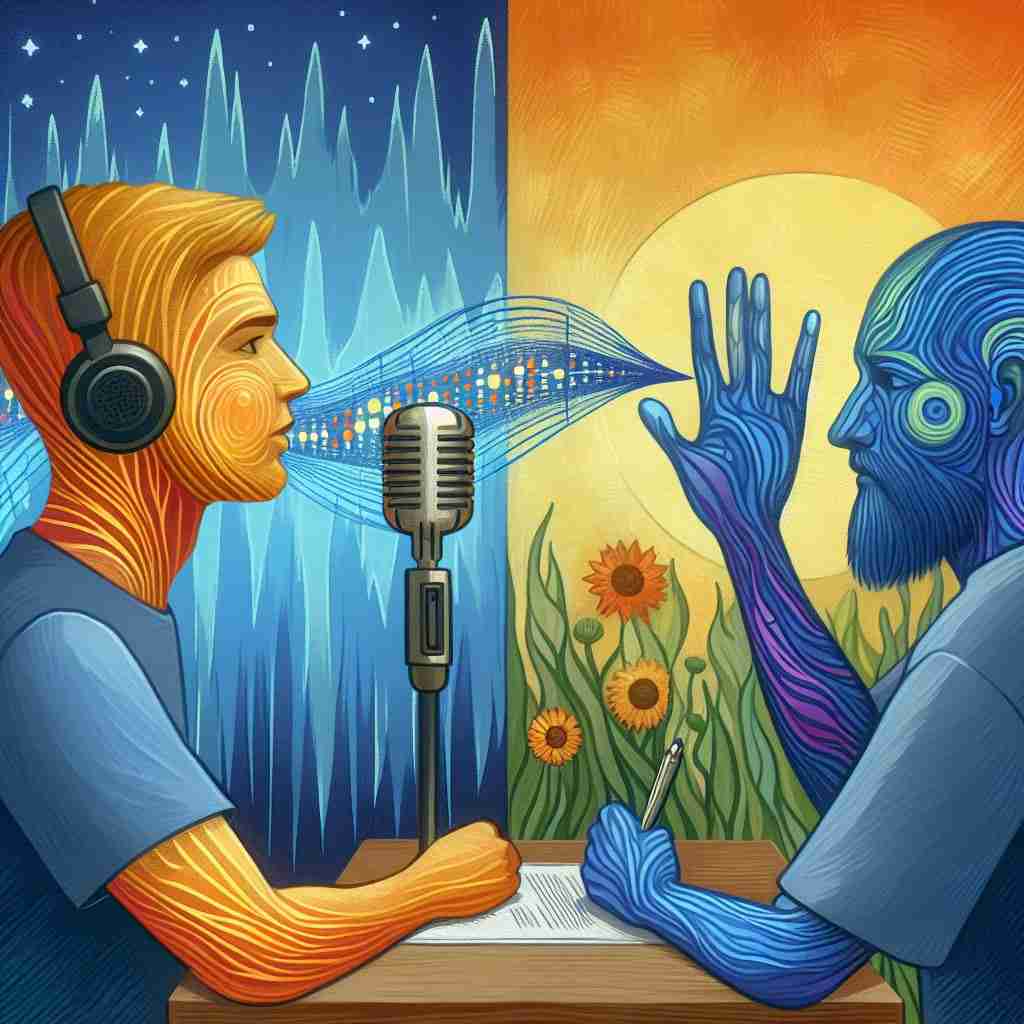
How Does AI Enhance Creativity and Storytelling for Artists?
How Does AI Enhance Creativity and Storytelling for Artists?
- The intersection of AI and creativity opens new opportunities for storytelling.
- AI serves as a collaborator that enhances human creativity, providing new ideas and insights.
- AI tools analyze narratives to reveal patterns and suggest innovative plot developments.
- This partnership can help artists uncover historical contexts and symbols relevant to their work.
- Effective storytelling resonates emotionally, fostering connections between artists and audiences.
- Ethical considerations arise as artists blend human emotion with AI’s analytical capabilities.
- Engaging with AI encourages exploration of creativity and can help overcome creative blocks.

How Does AI Enhance Creativity and Storytelling for Artists?
What Ethical Implications Arise From Using AI In Scripting?
In today’s world, the marriage of technology and creativity is nothing short of revolutionizing how stories are told. Yet, as we watch artificial intelligence entwine itself with the art of scripting, we must pause and ponder the ethical implications of this union. Imagine sitting around a campfire, the flickering flames casting shadows as people share their stories—each tale steeped in personal experience and emotional depth. Now, consider a world where those stories might be partially crafted by lines of code. It raises the question—what are we sacrificing in our quest for efficiency?
At the heart of the matter is authenticity. Human emotions are messy, unpredictable, and beautiful. When AI takes the reins, there’s a risk of stripping away those raw, genuine moments that connect us on a deeper level. A script written solely by a machine lacks the lived experience, the metaphorical brushstrokes that paint a picture of the human condition. Reflecting on my own journey, a story isn’t just a collection of words; it’s a slice of life, a shared moment that resonates with others. Can we truly trust an AI to capture the nuance of a human experience?
Moreover, let’s consider the ripple effects of relying on AI in creative fields. The podcasting landscape, once dominated by passionate voices sharing unique perspectives, could become homogenized if scripts are churned out without the touch of human authenticity. A voice actor may read lines flawlessly, but will they convey the soul of a story birthed from a computer program? This raises the specter of sameness—of losing the variety that makes our cultural tapestry rich and vibrant.
Ethically, we must ask ourselves: who is responsible for the content produced by AI? If a script goes awry or offends, can we hold the algorithm accountable? It’s a shifting ground that muddies the waters of accountability and invites slippery slopes of negligence. In a world where every download clicks a new connection, we owe it to ourselves and future generations to ensure that the digital storytellers of tomorrow—AI or not—know the heartbeat of humanity.
We stand at a crossroads. By recognizing the vital interplay between technology and human storytelling, we can choose to uphold a standard that honors the essence of what makes our narratives compelling. As we navigate these uncharted waters, let’s prioritize ethical consideration alongside innovation, ensuring that the flames of creativity continue to flicker brightly, fueled by both human grit and technological advancement.

What Ethical Implications Arise From Using AI In Scripting?
What Ethical Implications Arise From Using AI In Scripting?
- The integration of technology and creativity is transforming storytelling.
- The ethical implications of AI in scripting require careful consideration.
- Authenticity and emotional depth may be compromised when narratives are created by AI.
- AI-generated scripts risk homogenizing creative fields, like podcasting.
- Accountability for AI-generated content remains a crucial ethical concern.
- The balance between technology and human storytelling is essential for compelling narratives.
- Prioritizing ethical considerations alongside innovation is vital for preserving creativity.

What Ethical Implications Arise From Using AI In Scripting?
Can AI-Generated Scripts Evoke Genuine Human Emotions and Experiences?
When we think about storytelling, we often conjure images of a fire-lit gathering, where a voice cracks with emotion, a pause lingers just long enough for the weight of a moment to settle, and every listener nods in shared understanding. It’s an intimate dance of humanity. But as technology strides forth, we find ourselves contemplating a curious question: Can scripts created by artificial intelligence evoke those same raw, profound emotions?
Imagine sitting down with a friend for a heart-to-heart, sharing stories that cut through the noise of life. You can feel their frustration or joy; it’s palpable. Yet, here we stand on a precipice, looking at words generated by algorithms. They’re built on patterns, data, and analysis—remarkably sophisticated yet inherently devoid of the lived experience that colors our stories. In my day-to-day life, whether I’m hosting a chat or diving into a podcast, I always return to the age-old concept: it’s not just the words we speak, but the emotions we infuse into them.
AI might scribe a spectacular tale about love or loss, but can it understand the unexplainable ache you feel when a sibling moves away or the rush of pride when a child achieves something remarkable? The ethical question emerges: Are we comfortable allowing machines to step into this sacred space of human connection? The truth is, as much as we can train algorithms, they can’t truly feel. They may mimic or simulate, perhaps even ‘perform,’ but will they ever reach into the depths of your heart the way a seasoned storyteller can?
Take for instance the story of an elderly gentleman who, after years of feeling invisible, finally shares his cherished memories at a community gathering. The room is silent, eyes glistening, as he unearths tales of resilience and love that transcend mere facts. This emotional authenticity, this shared humanity, is woven into the fabric of connection.
An AI-generated script may dazzle with its precision and creativity, yet it lacks the backing of lived experience—the messy, beautiful tapestry of being human. While technology’s role in storytelling is undeniable, it will be our genuine, unfiltered stories that resonate on a deeper level. Only when we intertwine the mechanical with the personal—infusing AI with true human sentiment—can we fully realize the potential for stories that not only entertain but transform. In this digital age, let’s remember that the heart of storytelling lies not just in the narrative, but in the undeniable connection between us all.

Can AI-Generated Scripts Evoke Genuine Human Emotions and Experiences?
Can AI-Generated Scripts Evoke Genuine Human Emotions and Experiences?
- Storytelling evokes deep emotions and communal understanding, often illustrated by fire-lit gatherings.
- AI-generated scripts raise the question of whether they can convey the same emotional depth as human storytellers.
- Stories shared between friends illustrate the importance of lived experiences and emotional authenticity.
- Despite AI’s sophistication, it lacks the innate ability to feel and truly understand human emotions.
- Ethical concerns arise about allowing AI to replace human connections in storytelling.
- Real stories, enriched by personal experiences, resonate more deeply than algorithm-generated narratives.
- Combining technology with genuine human sentiment can unlock storytelling that entertains and transforms.
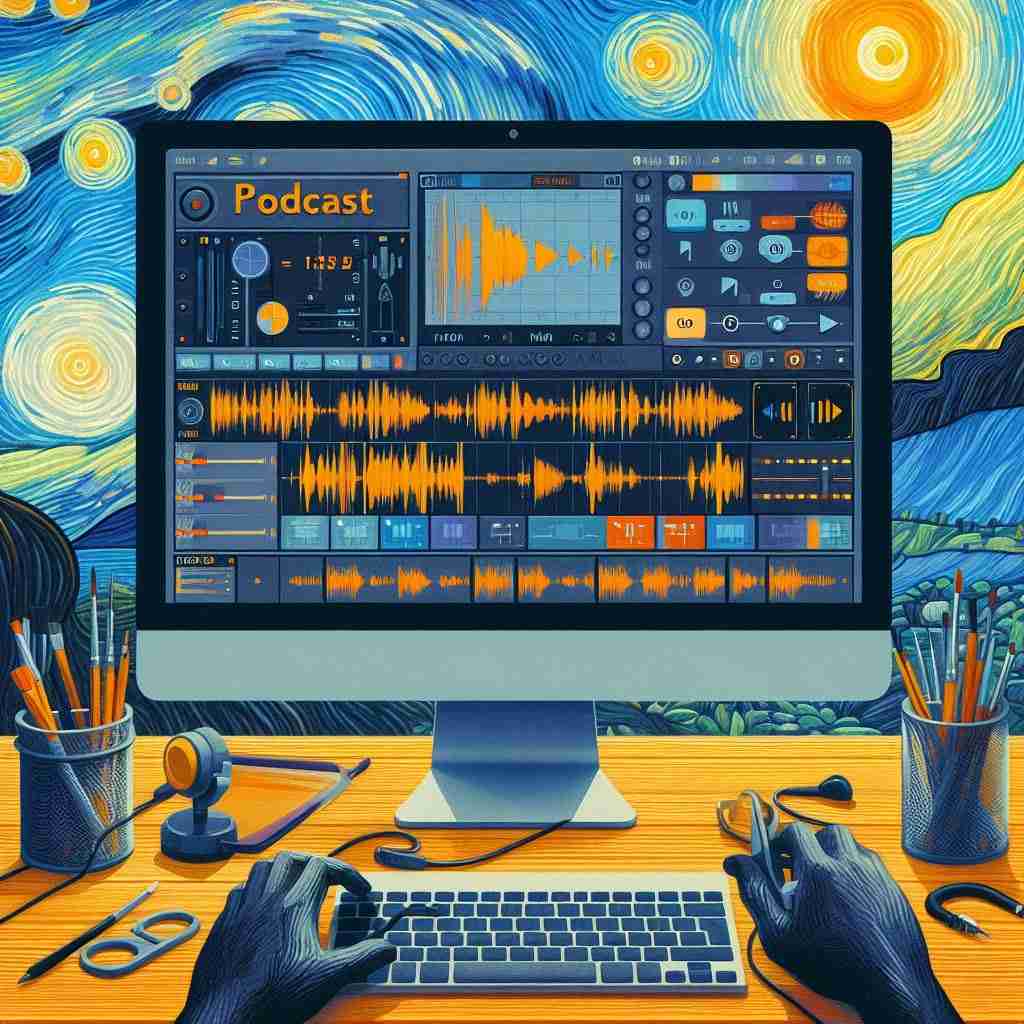
Can AI-Generated Scripts Evoke Genuine Human Emotions and Experiences?
How Do Traditional Methods Influence Creators’ Identity and Style?
In the bustling world of creativity, where every click and keystroke can ignite a spark, it’s easy to overlook the roots that ground us. Traditional methods—those time-honored practices passed down through generations—shape not just what we create but who we are as creators.
Take, for example, the humble artisan crafting furniture by hand. Each cut of wood, every stroke of varnish carries stories, painstakingly honed over years. This is not merely a job; it’s a testament to identity. Just as a podcast draws listeners into a tapestry of shared experiences and creates a community, traditional methods invite us to forge connections—both with our craft and those who share our passions. The woodworker is not just melding pieces together; they are shaping a narrative, a piece of their own story woven into the very grain of the material.
Through the lens of these methods, our identities emerge. Imagine someone learning to weave; the first attempts might be clumsy, but soon there’s mastery in the rhythm. This hands-on experience brings an awareness of history that digital tools seldom replicate. It’s an ethical journey, too, as understanding the origins of our tools and materials prompts a deeper respect for the craft and the environment. The stories of the ancestors who tilled the soil or carved the first tools become the backbone of our creative expression.
Rationally, we must consider how tradition can serve as a framework for innovation. The marriage of old and new fuels creativity. For instance, a podcaster with roots in traditional storytelling methods understands that the narrative holds power. They recognize that engaging their audience is about more than just facts; it’s about weaving a tale that resonates. Just as the ancient storyteller captivates a crowd around a fire, today’s creators find power in their ability to connect emotionally through authentic narratives.
Furthermore, traditional methods foster a sense of responsibility. When creators honor their heritage by incorporating traditional techniques, they carry the weight of that legacy. It compels them to push boundaries while respecting the past, inviting audiences to witness not just the final product but the journey—a shared experience that invites trust and connection.
Ultimately, traditional methods breathe life into our creative identities, binding us to a lineage of makers who came before us. They challenge us to reflect, innovate, and connect profoundly with ourselves and others, crafting a style that is inherently original yet undeniably influenced by the paths laid out by those who wielded these traditions long before us.

How Do Traditional Methods Influence Creators’ Identity and Style?
How Do Traditional Methods Influence Creators’ Identity and Style?
- Traditional methods shape the identity of creators and the nature of their work.
- Artisans create narratives through their craft, connecting with their materials and their stories.
- Hands-on experiences, like weaving, foster mastery and historical awareness that digital tools cannot replicate.
- Combining traditional and modern techniques fuels creativity and strengthens narrative engagement.
- Creators honoring their heritage carry a sense of responsibility and legacy in their work.
- Traditional methods invite audiences to experience the journey and foster trust and connection.
- These methods encourage reflection, innovation, and a profound connection to one’s creative identity.

How Do Traditional Methods Influence Creators’ Identity and Style?
What Role Does Authority Play In Adopting AI for Scripting Purposes?
In a world eager for innovation, the role of authority in adopting AI for scripting is both profound and essential. Picture this: a seasoned writer laboring over a script, pouring soul into every line, only to find a new tool on the horizon promising to lighten the load. This is where authority can make all the difference. It’s not just about expertise; it’s about trust. When industry leaders champion AI, they lend their voice like a seasoned captain urging his crew into uncharted waters. It creates a ripple effect: writers look up, inspired by that guiding light, feeling empowered to embrace the change rather than resist it.
But let’s dig deeper. Emotional connections often stem from stories of struggle and success. Consider a podcast where creators share their trials of writer’s block, the pressure of deadlines, and the joy of discovery when an AI tool provides a fresh perspective. When authoritative figures share these narratives—discussing their own fears of obsolescence and the ultimate relief they found through AI—the leap to adopt becomes less daunting. Listeners can relate; they see their own fears reflected in those struggles, drawing comfort from knowing they’re not alone.
Rationally, adopting AI means efficiency and creativity intertwined. Authority figures who explain not just what AI does, but how it enhances human creativity, transform skepticism into curiosity. They highlight stories illustrating that AI doesn’t replace the artist; it amplifies the artist’s voice. The narrative shifts from sentimentality about “the way things were” to excitement about “the way things can be.” For a writer feeling overwhelmed, the prospect of AI support is less of a threat and more of a boon.
Ethically, with great power comes great responsibility. Writers, in collaboration with authoritative voices in ethics, must navigate the landscape of trust, ensuring AI tools are designed to respect creativity. This fosters a dialogue around integrity, urging the industry to prioritize ethical standards in AI use. It’s not just about adopting technology; it’s about creating a community that values human expression.
Authority figures, when seen as partners, can empower individuals to embrace AI with confidence. They can bridge the gap between skepticism and acceptance, transforming a daunting leap into a collective step forward. By embracing this evolution, we can create a vibrant future where creativity flourishes, not stifled, allowing each voice to resonate more deeply than before.

What Role Does Authority Play In Adopting AI for Scripting Purposes?
What Role Does Authority Play In Adopting AI for Scripting Purposes?
- The role of authority is essential in adopting AI for scripting, fostering trust and expertise.
- Industry leaders create a ripple effect, encouraging writers to embrace AI innovations.
- Emotional connections are made through shared narratives of struggle and success with AI tools.
- Authority figures can transform skepticism into curiosity by explaining how AI enhances creativity.
- The narrative shifts from nostalgia for the past to excitement about the future of creative possibilities.
- Writers must navigate ethical considerations alongside authority figures to ensure AI respects creativity.
- Authority figures can empower individuals by bridging gaps between skepticism and acceptance, promoting a collaborative future.

What Role Does Authority Play In Adopting AI for Scripting Purposes?
Are Creators Feeling Pressured to Adopt AI to Stay Relevant?
As the digital landscape evolves, creators increasingly find themselves at a crossroads. The specter of artificial intelligence looms large, whispering promises of efficiency and engagement. Yet, beneath the shiny surface lies a complex web of emotions and ethical dilemmas. Imagine a seasoned craftsman; his tools tell stories of sweat and passion. Suddenly, a shiny new gadget arrives, boasting speed and perfection. Should he discard his trusted tools for the allure of technology? This is the predicament facing creators today.
In many ways, the pressure to adopt AI is akin to the pressure felt during a particularly tough podcast interview. The host leans in, asserting clarity of thought while the guest contemplates how to remain true to their craft amidst expectations. There’s a conversation happening beyond the surface—one that taps into the heart. Creators naturally want to connect with their audiences on an emotional level, sharing experiences and fostering relationships. This connection is forged not through efficiency but through authenticity. Yet, as the digital tide rises, there’s an unsettling reality: many feel they need to conform to remain visible.
The rationality of embracing AI is evident. It can streamline processes, analyze data, and even enhance creativity. However, let’s turn the lens on a unique perspective—what if the risk in adopting AI is less about efficiency and more about compromising your unique voice? Each creator has a narrative shaped by personal experiences, triumphs, and failures. By relying too heavily on automated tools, there’s a danger of missing those nuanced moments that resonate with audiences.
Consider the burgeoning backlash against soulless content. There’s a growing appreciation for the rawness of human creativity, the kind shaped in dimly lit rooms and late-night brainstorming sessions. People crave connection, and in a world flooded with AI-generated content, the truly human touch will stand out even more. As creators navigate this maze, it’s essential to remember that adopting new tools should enhance creativity, not define it.
Ultimately, the decision isn’t just about staying relevant; it’s about maintaining integrity in a world that values quick fixes over thoughtful engagement. Those who embrace AI while prioritizing their authentic voices can forge deeper connections and inspire trust. The future may indeed involve AI, but the heart of creativity will always be human.

Are Creators Feeling Pressured to Adopt AI to Stay Relevant?
Are Creators Feeling Pressured to Adopt AI to Stay Relevant?
- Creators are at a crossroads due to the rise of artificial intelligence in the digital landscape.
- AI offers promises of efficiency and engagement but presents complex emotional and ethical dilemmas.
- There is a tension between traditional craftsmanship and new technology, raising questions about authenticity.
- Emotional connection with audiences is prioritized over efficiency in creative processes.
- Heavy reliance on AI risks compromising each creator’s unique voice and narrative.
- There’s a backlash against AI-generated content, leading to a greater appreciation for human creativity.
- Maintaining integrity and authenticity in creation is essential for forging deeper connections with audiences.

Are Creators Feeling Pressured to Adopt AI to Stay Relevant?
Conclusion
In the evolving landscape of content creation, the intersection of artificial intelligence and traditional methods raises critical questions about identity, authenticity, and the very essence of storytelling. As creators grapple with the allure of AI, it’s essential to recognize that this technology doesn’t merely replace the painstaking craft of writing but offers a partnership that can enhance human creativity. Imagine standing before a captivated audience, your stories resonating deeply, touching on shared experiences. AI, in its role as a collaborator, invites creators to focus more on connection rather than the drudgery of drafting, allowing them to engage more authentically.
This paradigm shift is not just a matter of efficiency; it’s about fostering trust. The emotional bond between creators and their audiences hinges on the narratives shared—stories of triumph and vulnerability that echo the human experience. As data suggests rising engagement rates for those leveraging AI, it underscores the narrative that combines human insight with innovative technology. Creators find themselves faced with an ethical dilemma: adapt to this new age or risk irrelevance. However, adapting doesn’t mean abandoning traditional roots; it can be an evolution that maintains the core values of storytelling.
The real beauty lies in the balance—melding the time-honored techniques of crafting narratives that connect with audiences on a gut level while integrating AI’s capabilities to amplify those stories. This collaboration encourages a fresh honesty that resonates in an age saturated with content. Yet, amidst this evolution, the very essence of authenticity looms large. Can AI-generated scripts evoke genuine human emotions? While AI can mimic and analyze, it remains devoid of the rich tapestry of lived experiences that fuel relatable storytelling.
Moreover, authority within the creative community may guide adaptability to AI, framing it as a tool for empowerment rather than a threat. As respected figures share their journeys with AI, they demystify its capabilities, bridging skepticism and acceptance. Yet, it is crucial for creators to prioritize their unique voices, ensuring that they don’t lose the soul of their work in favor of mere efficiency.
Ultimately, as creators journey through this technological landscape, the goal should be to foster genuine connections, crafting narratives that resonate deeply. In a world where rapid output is tempting, the heart of creativity—flawed and beautiful—remains distinctly human. Embracing AI as a partner can fuel innovation while reminding us that the stories worth telling come from the depths of our shared human experience.

Conclusion
Conclusion:
- The intersection of AI and traditional content creation raises questions about identity and authenticity in storytelling.
- AI serves as a partner, enhancing human creativity rather than replacing the craft of writing.
- Creators can focus on connection with audiences, engaging more authentically through AI collaboration.
- This shift fosters trust by sharing narratives of triumph and vulnerability that resonate with the human experience.
- Creators face the choice to adapt to AI technologies or risk becoming irrelevant while maintaining core storytelling values.
- The balance lies in combining traditional narrative techniques with AI capabilities to amplify stories.
- Prioritizing unique voices is crucial to retain the essence of creativity amidst the technological evolution.

Conclusion
Other Resources

Other Resources
Here is a list of other resources you can review online to learn more:
- Spreaker
- VK
- Medium
- Podchaser
- CarPlay
- Pandora For Podcasters
- Streamlabs
- PodUp
- YouTube Music
- BeyondPod
- Google Podcasts
- Plurk
- Social Sales Link
- Pocket Casts
- MailChimp
- AI Success Club
- Alitu
- Apple Podcasts for Creators
Use This Prompt To Get More Resources With Your Favorite Online AI Tool: Please provide me with a list of online articles with their URLs in a bulleted list that I can read regarding AI Vs Traditional Scripting – Why Creators Are Switching

Other Resources
Glossary Terms
AI Vs Traditional Scripting – Why Creators Are Switching – Glossary Of Terms
1. AI (Artificial Intelligence): The capacity of a computer or machine to imitate intelligent human behavior.
2. Traditional Scripting: The method of writing code or scripts in conventional programming languages to automate tasks.
3. Automation: The use of technology to perform tasks with minimal human intervention.
4. Machine Learning: A subset of AI that enables systems to learn from data and improve over time without explicit programming.
5. Natural Language Processing (NLP): A branch of AI focused on the interaction between computers and humans through natural language.
6. Script: A set of written instructions in a programming language executed by a computer.
7. Codebase: A collection of source code for a particular software program or project.
8. Framework: A structured platform or toolkit used to develop software applications, often providing pre-written code for common tasks.
9. Library: A collection of pre-written code that can be reused in various projects to perform specific functions.
10. User Interface (UI): The means by which a user interacts with a computer program or system.
11. User Experience (UX): The overall experience and satisfaction a user has when interacting with a product or service.
12. Debugging: The process of identifying and removing errors or bugs from computer software or hardware.
13. Data-Driven: An approach that relies on data analysis and interpretation to make decisions.
14. API (Application Programming Interface): A set of rules and protocols for building and interacting with software applications.
15. Integration: The process of combining different systems or software applications to work together seamlessly.
16. Predictive Analytics: Techniques that use statistical algorithms and machine learning to identify the likelihood of future outcomes based on historical data.
17. Creativity: The ability to produce original ideas or products, often a central focus for content creators.
18. Collaborative Tools: Software applications designed to help individuals work together on projects, often in real-time.
19. Cloud Computing: The delivery of computing services over the internet, enabling storage and processing of data remotely.
20. Version Control: A system that records changes to files or code over time, allowing for collaboration and tracking.
21. Script Editor: A software tool used for writing and editing code for scripts.
22. Prototyping: The process of creating an early sample or model to test concepts and interactions.
23. Scalability: The ability of a system to handle increasing amounts of work or its potential to be enlarged to accommodate that growth.
24. Real-Time Processing: The capability of processing data immediately as it is received, allowing for instant responses.
25. Interactivity: The quality of allowing user participation or engagement with a program or content.
26. Content Generation: The process of automatically creating text, images, or other media using AI technologies.
27. Ethical AI: The study and implementation of ethical principles and values in the development and use of AI systems.
28. Digital Transformation: The integration of digital technology into all areas of a business, fundamentally changing how it operates.
29. Scrum: An agile framework for managing software development projects, emphasizing iterative progress through collaboration.
30. Feedback Loop: A system where outputs are circled back to serve as inputs for future processes, creating continuous improvement.

Glossary Of Terms
Other Questions
AI Vs Traditional Scripting – Why Creators Are Switching – Other Questions
If you wish to explore and discover more, consider looking for answers to these questions:
- How can creators maintain authenticity and emotional depth when using AI-generated scripts?
- What best practices exist for blending human writing with AI assistance?
- How should creators attribute AI contributions to their scripts, if at all?
- Who owns the copyright of a script partially or largely generated by AI?
- Can audiences reliably detect AI-assisted content, and does detection affect trust?
- What measurable metrics show AI improves engagement, retention, or conversion?
- What are the costs and expected ROI of integrating AI into a scripting workflow?
- Which AI tools and platforms are recommended for different types of creators and budgets?
- How do creators evaluate the quality, accuracy, and originality of AI outputs?
- What safeguards prevent AI from producing biased, offensive, or harmful content?
- How should creators manage data privacy and source protection when using AI?
- What legal liabilities arise from publishing AI-generated or AI-assisted content?
- How can creators train or fine-tune AI to match their unique voice and tone?
- What workflow and team changes are needed to adopt AI effectively?
- What new skills should creators and editors learn to work with AI tools?
- Will AI adoption lead to job displacement for writers, editors, or voice actors?
- How can creators guard against homogenization of content and preserve stylistic diversity?
- What ethical guidelines should govern AI use in storytelling and scripting?
- How should creators handle inaccuracies or factual errors introduced by AI?
- What transparency policies should creators follow when their content is AI-assisted?
- Are there documented case studies of creators who successfully integrated AI into their practice?
- How does AI handle cultural nuance, localization, and sensitivity in narratives?
- What are platform and distributor policies regarding AI-generated content?
- How should creators price AI-assisted services or products compared with fully human work?
- What prompt techniques and settings produce the most useful script outputs?
- How can creators audit and test AI outputs for bias, originality, and legal risk?
- What strategies exist for balancing speed and depth when AI shortens scripting time?
- How do you measure long-term effects of AI use on audience trust and community building?
- What contingency plans are recommended if AI tools change, become unavailable, or degrade?
- How can small or independent creators access AI affordably and responsibly?

Other Questions
Haiku
AI Vs Traditional Scripting – Why Creators Are Switching – A Haiku
Creativity transforms,
AI’s pulse fuels new stories,
Hearts and tech entwined.

Haiku
Poem
AI Vs Traditional Scripting – Why Creators Are Switching – A Poem
In the clash of old and new, where stories intertwine,
Creators stand at crossroads, tracing paths they redefine.
Traditional scripts, with their thoughtful prose and care,
Now cross paths with algorithms, promising to share.
Yet the heart yearns for connection, for tales that resonate,
For laughter, tears, and truths that never hesitate.
AI, a partner in creation, not a thief of souls embrace,
Offers swift solutions while still holding space.
With data as their compass, creators find their way,
Crafting narratives that spark engagement day by day.
In the dance of machine and mind, trust is essential too,
A blend of human warmth and tech, creating something new.
Ethical questions linger—will we lose the human thread?
As art weaves with wires, can real emotions spread?
Yet through this transformation, a community can rise,
Shared experiences and stories become the ultimate prize.
Authority lends its weight, guiding hands into the light,
Encouraging the brave to take bold steps into the night.
With authenticity as anchor, creators hold their ground,
Even in a world of AI, true connections can be found.
So when faced with the pressure to follow the digital tide,
Let the heart guide the pen, and let the soul decide.
In each crafted line and every tale retold,
The essence of humanity is what we must uphold.

Poem
Checklist
AI Vs Traditional Scripting – Why Creators Are Switching – A Checklist
Checklist for Embracing AI in Content Creation
✅______ Reflect on personal storytelling Integrate authentic experiences into your content.
✅______ Prioritize emotional connections Aim to resonate with audiences through relatable narratives.
✅______ Foster trust with your audience Transparency in your use of AI fosters a sense of community.
Rational Appeal
✅______ Analyze engagement metrics Use AI-generated insights to guide content strategies and improve reach.
✅______ Assess efficiency Evaluate how AI tools can streamline your creative process without compromising quality.
✅______ Balance data with creativity Leverage analytics while ensuring your voice remains authentic.
Ethical Appeal
✅______ Acknowledge the implications of AI Consider the ethical responsibilities that come with integrating AI into your work.
✅______ Maintain authenticity Ensure that your narratives are not homogenized by excessive reliance on AI.
✅______ Prioritize ethical standards Advocate for responsible AI usage within the creative community.
Authority Appeal
✅______ Seek guidance from industry leaders Embrace AI adoption by learning from authoritative figures who advocate for responsible usage.
✅______ Share personal success stories Relate experiences of how AI enhances creativity rather than replacing it.
✅______ Build a community network Engage with other creators to discuss challenges and solutions regarding AI integration.
Narrative Appeal
✅______ Craft stories that intertwine human and AI elements Use AI as a collaborative partner to enrich your narratives.
✅______ Identify storytelling gaps Utilize AI to explore themes or plot ideas that resonate with your audience.
✅______ Celebrate the journey of creativity Share the evolution of your content and the role AI plays in it.
Social Appeal
✅______ Engage actively with your audience Encourage feedback and interaction to deepen connections.
✅______ Highlight shared values Emphasize community-building through authenticity and innovative storytelling.
✅______ Create a supportive platform Facilitate discussions about the benefits and challenges of AI in creative practices.

Checklist
At PodcastBig, we help people who want to learn about podcasting by collating information and news about podcasting.
Be sure to read our other related stories at PodcastBig to learn more about podcasting.