

Transform Your Podcast With Ai Music That Resonates Deeply
By Tom Seest
At PodcastBig, we help people who want to learn about podcasting by collating information and news about podcasting.
Be sure to read our other related stories at PodcastBig to learn more about podcasting.
AI Music Generators That Perfectly Match Your Podcast Vibe
In the world of podcasting, the experience isn’t just about the stories told or the voices heard; it’s about creating an atmosphere that resonates with your audience on multiple levels. Picture this: you’re listening to a podcast that dives deep into the mysteries of the universe, but the background music sounds like it belongs in a cheesy commercial. The disconnect can be jarring. That’s where AI music generators step in, harmonizing the audio landscape to mirror the essence of your podcast, turning fleeting moments into memories.
Imagine sitting down to record an episode where you’re exploring the intricacies of human connection, diving into the heart of what makes us tick. As you share an anecdote about a friend’s kindness, the right musical backdrop can amplify that message, wrapping your words in a warm embrace. AI tools can analyze your narrative and mood, suggesting soundscapes that evoke empathy and understanding, helping listeners feel each emotion as if they were living it themselves.
But let’s not ignore the rational side of this innovation. When you invest in AI music generators, you’re not just choosing convenience; you’re harnessing technology that learns and grows with your podcast. These tools can sift through thousands of tracks, understanding what resonates with your audience’s demographics and preferences. Perhaps, like anchoring a ship in a storm, this technology helps you maintain your focus, ensuring that every episode aligns perfectly with your brand’s identity, effectively capturing the essence of your content rather than overshadowing it.
Ethically speaking, using AI in your podcast isn’t just a techy trend—it’s a commitment to producing quality content. In a time where authenticity and connection are prized, embracing these tools exemplifies your dedication to enhancing the listener experience. You demonstrate respect for their time and emotions, curating an environment where your audience feels valued and understood.
And here’s a thought that might set your perspective alight: the relationship between your voice and your chosen soundtrack is akin to the dance between rhythm and poetry. Your podcast may explore serious themes, but that doesn’t mean it has to be somber. Picture infusing your episodes with playful notes during light-hearted discussions, inviting your audience to laugh and engage, reminding them that while we’re tackling heavy topics, there’s always room for levity.
Podcasting is about connection—between you and your audience, between ideas and emotions. By leveraging AI music generators, you invite your listeners not just to hear, but to feel. When these elements align—music, story, spirit—you create an experience that lives on in the hearts and minds of your audience long after the final segment fades out.

AI Music Generators That Perfectly Match Your Podcast Vibe
AI Music Generators That Perfectly Match Your Podcast Vibe
- Podcasting creates an atmosphere that resonates with the audience beyond just storytelling.
- AI music generators enhance the audio landscape, enriching the listening experience.
- Musical backdrops can amplify messages and evoke empathy in storytelling.
- Investing in AI technology can align episodes with audience preferences and brand identity.
- Using AI in podcasts reflects a commitment to quality content and enhances listener engagement.
- The relationship between voice and soundtrack adds depth and levity to serious themes.
- AI tools create a profound connection between the podcast and its audience, ensuring a lasting impact.

AI Music Generators That Perfectly Match Your Podcast Vibe
Table Of Contents
- AI Music Generators That Perfectly Match Your Podcast Vibe
- What Emotions Does Your Podcast Evoke In Your Audience?
- How Does Music Enhance Storytelling In Your Podcast?
- Are You Using Music to Create a Connection with Listeners?
- What Role Does AI Play In Your Creative Process?
- How Can Music Influence the Perception Of Your Podcast?
- What Ethical Concerns Do You Have About AI Music Generation?
- How Can AI-Generated Music Reflect Your Unique Style?
- Conclusion
- Other Resources
- Glossary Of Terms
- Other Questions
- Haiku
- Poem
- Checklist
What Emotions Does Your Podcast Evoke In Your Audience?
When you sit down to craft a podcast, think of it as a heartfelt conversation rather than a lecture. You’re tapping into a deep well of shared human experience. Your audience isn’t just there for information; they’re looking for connection—the kind that resonates in their heart, makes them think, and stirs something primal in their gut. This emotional journey starts the moment you hit record.
Consider the last time you were moved by a story. Picture that chill running down your spine or the way your gut twisted in anticipation. As a podcaster, you hold the power to evoke similar emotions, and what you convey can linger long after the episode ends. Every word should be a brushstroke on the canvas of your listener’s feelings—a narrative wave that sweeps them off their feet.
Take the time to reflect on your own experiences. Share the days you’ve stumbled and the moments you’ve triumphed. Be transparent about your failures and victories. By weaving personal stories into your content, you create a sense of familiarity. Your listeners will see themselves in you, understanding that they’re not alone in their joys or struggles. This is where the gut connection takes root—it’s empathy at its finest.
Rational appeals also play a crucial role. While stories tug at the heartstrings, facts ground your podcast in reality. Perhaps you discuss statistics that highlight social issues that affect your audience. This blend of emotion and intellect invites your listeners to engage not only with the narrative but with their own thoughts and feelings regarding the subject matter. It fosters a dialogue between what’s in their heads and what lives in their hearts.
Ethics are foundational, too. Trust is built through honesty. Sometimes, giving a nod to your mistakes or misjudgments establishes your authority and invites your audience to reflect on their own ethical dilemmas. It’s this sincerity that transforms listeners into a community—a social contract where every voice matters.
So think about what you want your audience to feel, to ponder, to discuss. In a world overflowing with noise, your podcast can emerge as a beacon, inspiring trust, confidence, and ultimately action. Your words have the power to awaken emotions, ignite conversations, and foster a profound sense of connection that lingers long after the last note fades away.

What Emotions Does Your Podcast Evoke In Your Audience?
What Emotions Does Your Podcast Evoke In Your Audience?
- Craft a podcast as a heartfelt conversation, focusing on connection rather than just information.
- Evocative storytelling can resonate emotionally, making narratives memorable for listeners.
- Share personal experiences to create familiarity and empathy with your audience.
- Incorporate rational appeals and facts to ground the podcast in reality and encourage engagement.
- Honesty and transparency build trust, inviting reflection on ethical dilemmas.
- Consider the feelings you want to evoke in your audience amidst the noise of the world.
- Your words can inspire action and foster deep connections that last beyond each episode.

What Emotions Does Your Podcast Evoke In Your Audience?
How Does Music Enhance Storytelling In Your Podcast?
Imagine sitting around a fire, a group of friends gathered, each waiting eagerly for a story to unfold. The crackle of flames and the soft rustle of leaves provide a backdrop, setting the mood. Now, think of your podcast as that fire, a space where stories and emotions come alive. Music is the final touch, the invisible thread that weaves the fabric of storytelling, transforming mere words into a visceral experience that resonates with listeners on multiple levels.
At its core, music has the power to evoke emotions. A subtle piano melody can bring tears, while an upbeat tempo can induce laughter and joy. Consider how, in your podcast, a gentle acoustic guitar can transport your audience to a serene, reflective moment, allowing them to fully absorb the weight of the story. This isn’t just embellishment; it’s essential. When listeners hear a familiar tune or a well-placed sound effect, it ignites memories and feelings, fostering a connection that draws them deeper into the narrative. It’s like inviting them to walk beside you on your journey, making them not just passive observers but active participants in the storytelling.
Rationally, the strategic use of music can enhance the understanding and retention of the message. Like an underline on a page, it highlights key themes and emotions, guiding listeners through complex ideas and emotional landscapes. When a crescendo builds during an intense moment, listeners can feel that tension in their bones. This rhythmic engagement helps to anchor the story in their minds, making discussions around the dinner table about your podcast not just likely, but inevitable.
Ethically, you’re crafting an experience that respects the listener’s time and attention. Great storytelling with music is about honoring the shared moments of vulnerability and triumph. Adding a powerful score not only enhances the story but invites your audience to reflect on their own lives. It allows for a communal experience, where strangers become allies, bonded by shared emotions and insights.
Finally, using music strategically positions you as a tailored storyteller, someone who understands that podcasts are more than just audio files. They’re crafted experiences, inviting people in, leaving them inspired, and encouraging them to come back for more. It’s in this careful balance of emotional pulls, rational appeals, and ethical storytelling that music shines, transforming a simple podcast into a powerful narrative journey.

How Does Music Enhance Storytelling In Your Podcast?
How Does Music Enhance Storytelling In Your Podcast?
- Podcasts serve as a space for storytelling, akin to a fire where friends gather to share experiences.
- Music enhances storytelling by evoking emotions and deepening listener engagement.
- Strategic use of music helps highlight key themes and aids in the retention of the message.
- Listeners become active participants in the narrative through the connection fostered by music.
- Ethical storytelling with music respects listeners’ time and encourages reflection of their own experiences.
- Well-crafted podcasts position creators as tailored storytellers, creating memorable experiences.
- The balance of emotional, rational, and ethical elements in music transforms podcasts into powerful narrative journeys.
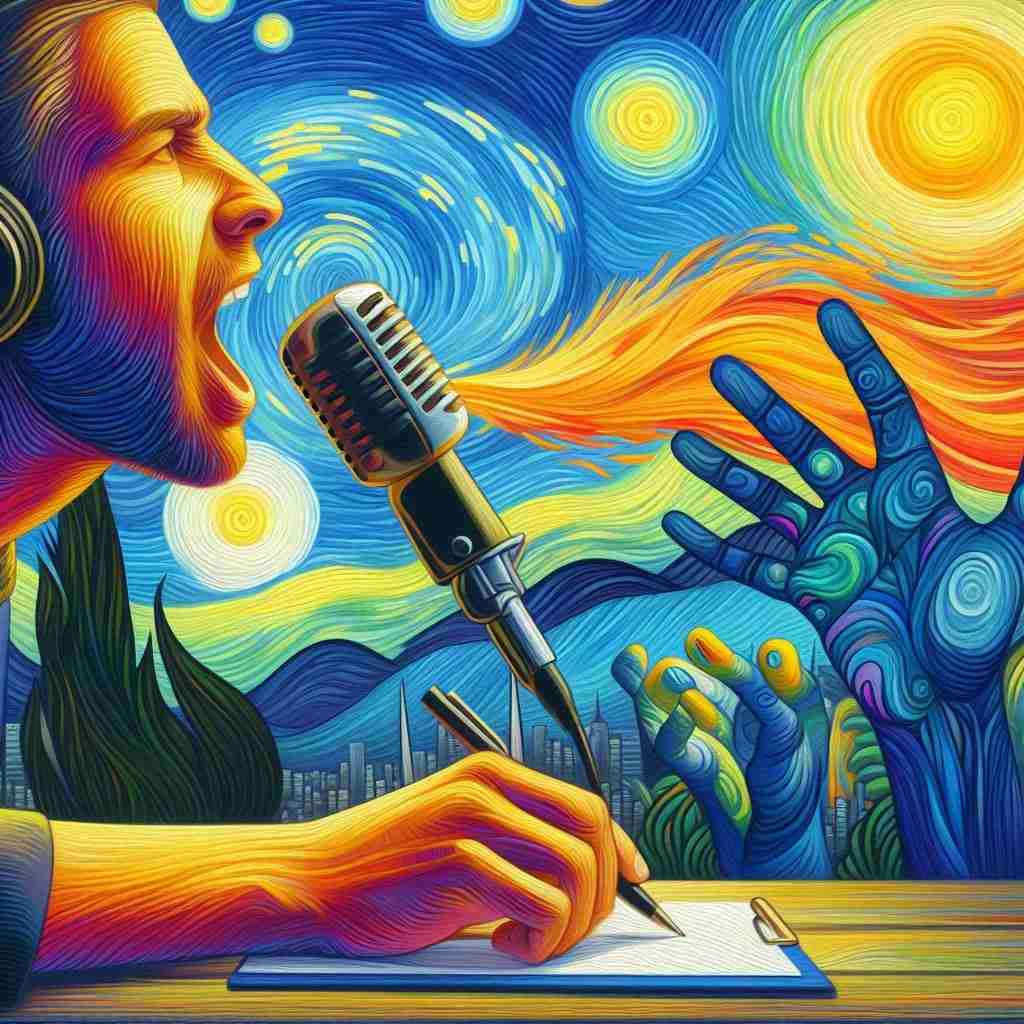
How Does Music Enhance Storytelling In Your Podcast?
Are You Using Music to Create a Connection with Listeners?
Music has an extraordinary power to weave threads between us, forming connections that transcend mere words. Consider the anthem of a favorite podcast; the moment that familiar tune plays, it welcomes you into a world where thoughts and feelings are shared, where the mundane transforms into the meaningful. This is not just about sound; it’s about creating an emotional landscape where listeners can find solace, inspiration, and understanding.
Imagine listening to a story of perseverance set to a haunting melody. You might feel the weight of the narrative settling in your chest, evoking memories of your own struggles. This is where music becomes a vessel, transporting us back to our respective journeys, reminding us that we’re not alone. That shared experience is the cornerstone of any genuine connection. When you craft a podcast, think about how that musical backdrop can amplify your message. The right song doesn’t just punctuate a point; it deepens the listener’s engagement, calling forth emotions that resonate on a personal level.
Rationally, investing in quality music is an ethical commitment. Choosing to enhance the listener experience means you value their time and emotional investment. It shows respect for the craft and the audience, emphasizing the importance of thoughtful content creation. When you align your music with your message, you demonstrate that you understand the intricacies of communication. The authority you establish through this careful curation fosters trust—listeners return not just because of what you say, but because of how you make them feel.
Look at it this way: when a familiar tune plays, it’s like a warm hug from an old friend. The notes wrap around you, pulling you into a narrative that feels both intimate and universal. Consider how a simple melody can stir nostalgia or inspire hope, echoing shared experiences that bind us as a community. Every podcast needs that musical heartbeat, a foundation upon which the narrative grows.
But perhaps the most profound point is this: music becomes an invitation to join a conversation that sparks action. It encourages listeners to reflect, share, and engage, transforming passive listening into active participation. When you harness the emotive power of music, you don’t just share a story; you create a movement—one that resonates in the heart, mind, and gut of every individual tuned in, cultivating not just an audience, but a family. As you pedal this creative bicycle, remember that every note carries the potential to inspire, uplift, and connect.

Are You Using Music to Create a Connection with Listeners?
Are You Using Music to Create a Connection with Listeners?
- Music creates connections that go beyond words.
- Familiar tunes welcome listeners into meaningful narratives.
- Music evokes personal memories and experiences of struggle.
- The right song enhances engagement and emotional resonance.
- Investing in quality music reflects respect for the audience and craft.
- Music serves as a foundation for podcasts, creating an intimate atmosphere.
- Harnessing music transforms passive listening into active engagement, building community.

Are You Using Music to Create a Connection with Listeners?
What Role Does AI Play In Your Creative Process?
In the vast landscape of creativity, AI emerges not as a crutch but as a compelling collaborator—an unsung partner in your pursuit of innovation. Imagine standing in your workshop, tools scattered around, when a persistent whisper of ideas flows from the very air around you. AI, in this context, becomes that reliable friend who nudges you toward unexplored avenues, all while respecting your distinct voice and vision.
Like a seasoned storyteller, AI listens intently. It picks up on the subtleties of your craft, whether you’re writing a manuscript or composing music. In countless podcasts, creators share how this technology transformed their creative blocks into breakthroughs. It’s as if an old mentor has come to life, sparking conversations that ignite new ideas. AI doesn’t replace the human experience; it enriches it, forging connections you didn’t know you needed.
Picture this: You’re entrenched in a project, staring at a blank canvas with frustration bleeding into your creativity. You decide to invite AI into your process. As you continue to develop your ideas, it offers suggestions rooted in both historical context and contemporary trends. The result? A marriage of the familiar with the extraordinary—your expression intermingling with newfound possibilities. This synergy feels instinctively right, prompting you to express gratitude for a tool many might overlook.
Ethically, bringing AI into your creative practice isn’t about losing authenticity. It’s about embracing a new frontier while staying true to your principles. The heart of human creativity will always pulse stronger than that of any machine; AI merely amplifies your strengths. This perspective fosters confidence, anchoring you with the understanding that your unique touch remains irreplaceable.
Culturally, the integration of AI means bridging generations of creators. Your grandmother’s stories merge with algorithms extrapolating patterns from a century of art; wisdom meets innovation. It encourages conversations that matter, emphasizing that creativity isn’t an isolated endeavor but a shared journey through time and space.
Ultimately, what AI offers is a canvas for collaboration rather than a paintbrush to overshadow your expression. It invites you to step into this partnership with gusto, enhancing your creative process with both heart and head—offering a new take on an age-old quest, proving that sometimes, the best ideas are born through dialogue, not monologue. Embrace this journey, and you might just find your voice returning stronger, clearer, and more resonant than ever before.

What Role Does AI Play In Your Creative Process?
What Role Does AI Play In Your Creative Process?
- AI acts as a collaborator in the creative process, enhancing innovation.
- It serves as an attentive listener, understanding the nuances of various crafts.
- Creators have shared experiences of overcoming creative blocks through AI assistance.
- AI offers suggestions that blend historical context with contemporary trends.
- Integrating AI maintains authenticity and amplifies the uniqueness of human creativity.
- AI fosters intergenerational dialogue between traditional storytelling and modern algorithms.
- The partnership with AI provides a collaborative canvas, enriching the creative journey.

What Role Does AI Play In Your Creative Process?
How Can Music Influence the Perception Of Your Podcast?
Music isn’t just an afterthought in the world of podcasts; it’s the heartbeat that can turn a simple story into a resonant experience. Imagine for a moment a podcast that delves into the intricacies of human emotion. Now picture that same podcast, but without any music. The difference isn’t subtle; it’s like comparing a painted landscape to a blank canvas.
In every episode of your podcast, the choice of music influences your audience on multiple levels. It engages the heart, head, and gut, intertwining with the narratives and making them stick. A carefully chosen soundtrack can evoke feelings of joy, nostalgia, or even tension. When listeners feel, they become invested, and that’s where authentic connections are forged. Think of it as culinary spice; the right blend enhances a dish, while the wrong choice leaves a bitter aftertaste.
Rationally, research shows that music can enhance memory retention. When your audience recalls a potent piece of music alongside your narrative, it imprints the message deeper. This is not merely anecdotal; studies suggest that sounds paired with storytelling can create lasting neural connections. Your podcast becomes more than just a collection of words; it morphs into a relatable experience that lingers long after the final note fades away.
Ethically, music gives a voice to emotions that words alone may not fully capture. It invites listeners to reflect on their own experiences. When you play a haunting melody during a poignant storytelling moment, you’re not just building a bridge—you’re reinforcing trust. Your audience trusts that their emotions are valid and understood.
Let’s not forget the power of social connection. In our shared experience of listening, music can create a sense of community. Picture a listener who tunes into your podcast and hears a familiar riff that sparks memories of family gatherings or friendships. This collective recognition amplifies the impact of your content, transforming it from mere entertainment into a shared cultural moment.
The original takeaway here? Music in your podcast is far more than a backdrop; it’s a powerful co-narrator. It has the potential to not only tell stories but to enhance our understanding of them in visceral ways. So, as you craft your next episode, consider how your choice of music might not just influence but reshape the very perception of your message, inviting your audience on a deeply personal journey.

How Can Music Influence the Perception Of Your Podcast?
How Can Music Influence the Perception Of Your Podcast?
- Music serves as the heartbeat of podcasts, transforming simple stories into resonant experiences.
- Strategic music choices engage listeners emotionally, enhancing the narrative and fostering connection.
- Research indicates music improves memory retention, creating lasting neural connections with stories.
- Music conveys emotions that words may fail to express, fostering trust and reflection among listeners.
- Shared musical experiences can create a sense of community and amplify the impact of podcast content.
- Music acts as a powerful co-narrator, reshaping the audience’s perception of the message.
- Choosing the right music can invite listeners on a deeply personal journey, enhancing their overall experience.

How Can Music Influence the Perception Of Your Podcast?
What Ethical Concerns Do You Have About AI Music Generation?
In the world of music, notes, rhythms, and melodies have always sparked deep connections among people. Imagine sitting with a friend, sharing your favorite tunes; each song holding a story, an emotion, a moment captured in time. Now, as we navigate the rapidly evolving landscape of AI music generation, we face a profound question: what are the ethical implications of machine-made music in a space that echoes our humanity?
At its core, AI music generation engages our sensibilities, challenging us to consider the authenticity of artistic expression. When a cold algorithm composes a piece that moves us, it’s easy to feel that spark of joy. Yet, it raises a heavy question: where does creativity stop, and replication begin? Each note created by an algorithm is like a podcast episode, resonating with its audience but devoid of lived experience. Can synthetic creations truly encapsulate the raw emotion of a musician’s soul?
Let’s reflect on a personal story — I once attended a live concert, where the air was thick with vulnerability and connection. The band poured their hearts out, each chord resonating with shared grief and triumph. Now imagine those very moments being replaced by a generated composition, aiming to simulate that magic but lacking the heartbeat of real-life struggle and passion. Therein lies a dilemma — how do we reconcile the chilling efficiency of AI with the warm, messy truth of human creativity?
Moreover, consider the implications for artists trying to carve out a living in this brave new world. Musicians have spent years honing their crafts, pouring their passions into songs that speak to the human condition. With AI creating music at the click of a button, what happens to those vibrant voices? It’s a slippery slope, where the boundary between innovation and exploitation blurs. This isn’t just about algorithms; it’s about the soul of art, about the people behind the music, and the very fabric of our culture.
It’s crucial we engage in this conversation, not to vilify technology but to foster a deeper understanding of its role in our lives. We can cultivate a space where both human and machine creativity thrive, respecting the roots of art while exploring new frontiers. By doing so, we uphold the value of genuine connection, celebrating the stories and experiences that music, in all its forms, has to offer. The challenge lies before us: to ensure that as we embrace the future, we don’t forget the rich tapestry of humanity that creates it.

What Ethical Concerns Do You Have About AI Music Generation?
What Ethical Concerns Do You Have About AI Music Generation?
- Music connects people through notes, rhythms, and melodies, each song embodying a story and emotion.
- The rise of AI music generation prompts ethical questions about authenticity and creativity.
- Machine-generated music poses challenges in distinguishing between genuine creativity and replication.
- Live performances offer emotional depth that AI compositions may struggle to replicate.
- AI’s efficiency risks overshadowing the livelihoods of musicians who have dedicated years to their craft.
- Conversations about technology’s role in art should aim to balance machine creativity with human expression.
- Preserving the essence of humanity in music is crucial as we explore advancements in AI.

What Ethical Concerns Do You Have About AI Music Generation?
How Can AI-Generated Music Reflect Your Unique Style?
Picture this: you’re driving along an open road, the sun dipping low on the horizon, painting the sky with hues of orange and pink. The radio plays your favorite tune, a piece that feels like a soundtrack to your life. But what if that song didn’t exist yet? What if you could create it? AI-generated music is not just a technological marvel; it’s a canvas for your individual expression, a reflection of your unique style.
When you engage with AI in music creation, it’s like opening a dialogue between your heart and a digital maestro. You feed in your preferences—genres you love, moods you cherish—and in return, the AI composes melodies that resonate deep within you. It’s not merely about algorithms churned out in a sterile lab; it’s a collaboration between human experience and machine learning. Imagine the thrill of crafting a personal soundtrack that captures your heart’s nuances, one that resonates as if it’s been penned by your own hand.
This isn’t just about music; it’s about authenticity. Each note, each chord progression, can embody your life’s journey, your triumphs, your heartaches. It’s storytelling through sound. Picture sharing this creation on your podcast—your audience hears not just the music but the reflections of a person navigating life’s complexities. When you integrate AI into your creative processes, you become the storyteller, the architect of your soundscape.
Perhaps it’s the ethical dimension that gives us pause: as we meld our creativity with artificial intelligence, are we losing something inherently human? Yet, consider this—a tool can never overshadow the spirit behind it. The ethics lie in how you wield that tool. By being intentional, you assert your authority as the creator, guiding the AI to reflect not just any style, but yours.
Moreover, the social appeal is compelling. Sharing AI-generated tracks fosters connection. Your friends resonate with your music, your narrative intertwines with theirs, creating a tapestry of shared experiences. They feel seen; you’re not just a voice in the crowd but a source of inspiration, showing that everyone has a unique song waiting to be discovered.
Creating music with AI isn’t about replacing the artist; it’s about amplifying the authentic voice within. Harness it, explore it, and let it spark a revolution in how you express who you are. This partnership invites us to experience the extraordinary, reminding us that every individual has a symphony yearning to be played. So turn the dial, engage your heart, and let that unique melody flow.

How Can AI-Generated Music Reflect Your Unique Style?
How Can AI-Generated Music Reflect Your Unique Style?
- Driving on an open road inspires the idea of creating a personal soundtrack through AI-generated music.
- AI allows for a collaboration between human creativity and machine learning, resulting in personalized melodies.
- Music created with AI reflects individual life journeys, triumphs, and heartaches, embodying authenticity.
- Integrating AI in music-making empowers creators to become storytellers of their soundscapes.
- Ethical considerations arise regarding the use of AI, emphasizing the importance of intentionality in creativity.
- Sharing AI-generated music fosters connections and resonates with others’ experiences, inspiring community.
- Utilizing AI amplifies the authentic voice and encourages exploration in personal expression through music.

How Can AI-Generated Music Reflect Your Unique Style?
Conclusion
AI music generators have emerged as transformative tools for podcasters, forging deeper connections with their audiences by crafting audio experiences that resonate on emotional, rational, and ethical levels. In podcasting, the atmosphere is just as crucial as the content itself; mismatched sounds can disrupt the listener’s engagement. AI music generators deliver soundscapes that align perfectly with the themes and emotions of the narratives, enhancing the storytelling and fostering empathy.
These technologies analyze not only the content of each episode but also the emotional undercurrents, enabling creators to evoke the desired feelings and reactions from their listeners. The convenience of harnessing AI should be viewed as an investment in quality; it allows podcast hosts to concentrate on crafting compelling narratives while the technology handles the intricate details of audio enhancement. By syncing music with the core message of each episode, podcasters can highlight not only the facts but also the emotional truths they are striving to communicate.
Furthermore, choosing to incorporate AI music reflects a commitment to authenticity and quality in content production. It suggests a respect for the audience’s time and experiences, curating a listening environment that feels valued and understood. AI-generated music serves as a bridge, inviting listeners to engage with the audio in a way that transcends mere consumption and encourages participation in the collective journey.
On a narrative level, integrating music effectively within a podcast enhances the overall experience, eliciting laughter, contemplation, or even nostalgia. Music is positioned as a co-narrator, enabling storytelling to flourish in a communal space where shared experiences manifest and reverberate with listeners. With AI’s assistance, podcasters can create soundtracks that echo their personal journeys and struggles, fostering a sense of intimacy and connection.
However, as we embrace AI-generated music, it is essential to remain mindful of the ethical implications. The platform should not overshadow the human element; instead, it should empower creators to express their unique styles and stories clearly. The dialogue between human artistry and artificial innovation can be nurtured to honor both the emotional depth of human experience and the efficiencies of technological advancements. Ultimately, leveraging AI music generators represents a step toward enriching the podcasting medium, ensuring that each episode evokes genuine emotions, sparks meaningful conversations, and cultivates a tightly-knit community of engaged listeners.

Conclusion
Conclusion:
- AI music generators enhance podcasts by creating emotional and immersive audio experiences.
- They analyze content and emotional undercurrents to resonate with listeners better.
- Podcast hosts can focus on storytelling while AI handles audio enhancement details.
- Incorporating AI music reflects a commitment to authenticity and quality in content production.
- Music acts as a co-narrator, fostering intimacy and connection with the audience.
- Maintaining a balance between human creativity and AI innovation is crucial for ethical implications.
- Leveraging AI music generates meaningful conversations and a community of engaged listeners.

Conclusion
Other Resources

Other Resources
Here is a list of other resources you can review online to learn more:
- Podcastle
- YouTube Music
- SquadCast
- Podcast Studio
- Expertise.tv
- MailChimp
- Odnoklassniki
- AntennaPod
- Pocket Casts
- YouTube
- Apple Podcasts for Creators
- Pandora For Podcasters
- LiveJournal
- Switcher Studio
- Podcast Guru
- Podbean
- Google Podcasts Manager
- Blogger
Use This Prompt To Get More Resources With Your Favorite Online AI Tool: Please provide me with a list of online articles with their URLs in a bulleted list that I can read regarding AI Music Generators That Perfectly Match Your Podcast Vibe

Other Resources
Glossary Terms
AI Music Generators That Perfectly Match Your Podcast Vibe – Glossary Of Terms
1. AI: Artificial Intelligence, the simulation of human intelligence in machines that can perform tasks typically requiring human cognition.
2. Music Generator: A software tool that uses algorithms to create music tracks, often guided by user preferences and parameters.
3. Podcasts: Digital audio files available for streaming or download, often organized into episodes focusing on specific topics.
4. Vibe: The overall emotional or atmospheric quality of a podcast, influenced by tone, content, and music choice.
5. Algorithm: A set of rules or calculations used by AI music generators to produce musical content.
6. Sampling: The process of taking a portion of a sound recording and reusing it in a different song or piece of music.
7. Synthesis: The creation of new sounds using electronic instruments or software rather than traditional musical instruments.
8. Soundscape: The acoustic environment created by various sound sources within a recording or musical composition.
9. Genre: A category of music characterized by similarities in form, style, or subject matter, such as rock, jazz, or classical.
10. Mood: The emotional tone conveyed in music, which can enhance a podcast’s narrative or theme.
11. Loop: A repeating section of audio that can be used to create rhythm and continuity in a musical piece.
12. Tempo: The speed at which a piece of music is played, measured in beats per minute (BPM).
13. Plagiarism: The act of using someone else’s music or artistic creation without permission or proper attribution.
14. Mixing: The process of combining different audio tracks to create a final version of a piece of music or sound design.
15. Mastering: The final step in audio post-production that prepares the music for distribution, ensuring sound quality and consistency.
16. Frequency: The pitch of a sound, determined by the number of vibrations per second, which affects music’s tonal quality.
17. Harmonic: Refers to the relationship between pitches in music, contributing to the overall richness and texture.
18. Dynamics: The variations in loudness and intensity in a piece of music that contribute to its emotional impact.
19. Beat: The basic unit of time in a piece of music, creating the rhythmic foundation.
20. Track: A single audio recording, which can consist of vocals, instruments, or samples.
21. Software: The applications or programs used for composing, producing, and editing music.
22. Sound Library: A collection of pre-recorded sounds and music samples available for use in audio projects.
23. User Interface (UI): The means by which a user interacts with a software application, crucial for ease of use in music generation tools.
24. AI Training: The process of inputting data into AI systems to improve their ability to generate relevant and high-quality music.
25. Lyrics: The words of a song, which can be integrated into podcast themes or narratives.
26. Contextual Matching: The process of selecting music that aligns well with the overarching theme or mood of a podcast.
27. Sound Design: The creation and manipulation of audio elements for a specific purpose, such as enhancing the auditory experience of a podcast.
28. Collaboration: The act of working together with musicians or sound designers to create cohesive audio content.
29. Streaming: The delivery of audio content over the internet, allowing users to listen without downloading it.
30. Creative Commons: A licensing system that allows creators to share their work legally and provides users with rights to use music under specified conditions.

Glossary Of Terms
Other Questions
AI Music Generators That Perfectly Match Your Podcast Vibe – Other Questions
If you wish to explore and discover more, consider looking for answers to these questions:
- Which AI music generators are best suited for podcasts?
- How do I integrate AI-generated music into my podcast workflow?
- What file formats and stems do AI tools provide for editing and mixing?
- Can AI-generated music be exported at specific tempos, keys, or lengths to match scenes?
- How do I ensure the music doesn’t overpower dialogue (mixing levels and LUFS standards)?
- Are AI-produced tracks royalty-free and safe for commercial use on platforms like Spotify and Apple Podcasts?
- Who owns the copyright to AI-generated music and how should I attribute it?
- Can AI reliably replicate a specific artist’s style, and what are the legal risks?
- How customizable are AI tracks (mood, instrumentation, arrangement, leitmotif, sonic branding)?
- Can AI generate short stings, intros, outros, and sonic logos tailored to my brand?
- How do I brief an AI tool effectively to reflect my podcast’s voice and emotional arc?
- What metadata (BPM, key, mood tags, license info) do AI generators supply?
- Do AI tools produce multitrack stems for post-production and remixing?
- Which DAWs and editing tools are compatible with common AI music outputs?
- How much does high-quality AI-generated music cost (subscription vs pay-per-track)?
- How do I evaluate the quality and originality of AI-generated music?
- How can I avoid my podcast sounding generic if many creators use the same AI presets?
- Can AI adapt music in real time to match spoken content or live segments?
- How do listeners perceive AI-generated music versus human-composed scores?
- How can I test which music choices improve listener engagement and retention?
- What analytics or A/B testing methods work for music variations in episodes?
- How does AI music affect brand identity and listener recognition over time?
- What ethical obligations do podcasters have when using AI music (transparency to listeners)?
- How does AI music impact working musicians and composers economically?
- Are there licensing models that fairly compensate original artists when AI is trained on their work?
- How can I ensure AI-generated music is culturally sensitive and avoids harmful stereotypes?
- What data does an AI music service collect from my uploads and prompts, and how is it stored?
- Is it safe to upload unreleased scripts or voice clips to AI services (privacy and confidentiality)?
- Can AI help me design emotional arcs and musical cues for narrative pacing?
- How do I choose the right genre or texture for different episode types (interview, narrative, news)?
- What are best practices for using music during transitions, under narration, and in silence?
- How long should intro/outro themes be, and how often should they vary?
- Can AI generate loopable beds and ambiences that avoid listener fatigue?
- How can I request variations or revisions from an AI generator to better match my vision?
- What legal risks exist if an AI track inadvertently reproduces copyrighted material?
- How do I credit AI tools or human contributors in show notes and metadata?
- Are there case studies or examples of podcasts that successfully use AI-generated music?
- How will AI music technology evolve, and what future features should podcasters watch for?
- How can I combine AI-generated music with live musicians or custom instrumentation?
- What criteria should I use to judge whether to use AI music or hire a human composer?
- How can I use AI to create localized or personalized music for different audience segments?

Other Questions
Haiku
AI Music Generators That Perfectly Match Your Podcast Vibe – A Haiku
Crafted sounds embrace,
Voices weave through shared moments,
Hearts and minds ignite.
Haiku
Poem
AI Music Generators That Perfectly Match Your Podcast Vibe – A Poem
In podcasts where stories intertwine,
Music breathes life, a pulse divine.
AI generators craft the score,
Turning silence into something more.
You tell of kindness, loves embrace,
With melodies that set the pace.
A heart in tune with every word,
In harmonies, your message heard.
But think, too, of the rational thread,
With data guiding where emotions tread.
Tech that learns, grows, and aligns,
Finding the beat in myriad designs.
Ethically sound, it shows you care,
Respecting time, emotions laid bare.
Every note a bridge, each rhythm a guide,
Inviting the audience to feel and abide.
In this space, connection ignites,
A shared journey through days and nights.
When music swells, empathy grows,
Transforming listeners into friends, as it flows.
Crafted carefully, let your stories ring,
With every note, invite them to sing.
Your podcast—a dance of voice and sound,
In every heart, lasting echoes are found.
Poem
Checklist
AI Music Generators That Perfectly Match Your Podcast Vibe – A Checklist
Emotional Appeals
✅______ Identify emotional themes for each episode (e.g., joy, nostalgia, tension).
✅______ Choose music that complements and enhances these emotional narratives.
✅______ Incorporate personal stories to foster empathy and connection.
Rational Appeals
✅______ Research and select music that aligns with audience demographics and preferences.
✅______ Use music strategically to enhance message retention and understanding.
✅______ Establish facts or statistics that connect music choices to audience engagement.
Ethical Considerations
✅______ Ensure all music usage respects copyright laws and ethical sourcing.
✅______ Reflect on the authenticity of AI-generated music in conveying genuine emotions.
✅______ Foster transparency about the creative process integrating AI tools.
Authority and Credibility
✅______ Use reputable AI music tools that are known in the industry.
✅______ Share insights or testimonials about your experiences with AI music generation.
✅______ Build trust with your audience by acknowledging your creative choices.
Narrative Techniques
✅______ Weave music into storytelling, using it to punctuate key moments or themes.
✅______ Experiment with sound effects and transitions to create a cohesive narrative flow.
✅______ Consider how music can transform passive listeners into active participants in the story.
Social Engagement
✅______ Encourage feedback from listeners on music choices and overall podcast experience.
✅______ Create community around shared musical experiences related to episodes.
✅______ Invite listener participation, asking them to share their own music stories.
Creative Reflection
✅______ Take time to explore how music aligns with your unique podcast style and voice.
✅______ Experiment with AI tools to craft custom soundtracks that reflect personal journeys.
✅______ Continuously evaluate how well your music choices resonate emotionally, rationally, and ethically with your audience.

Checklist
At PodcastBig, we help people who want to learn about podcasting by collating information and news about podcasting.
Be sure to read our other related stories at PodcastBig to learn more about podcasting.