

Transform Your Podcast: Elevate Emotion, Strategy, And Connection
By Tom Seest
At PodcastBig, we help people who want to learn about podcasting by collating information and news about podcasting.
Be sure to read our other related stories at PodcastBig to learn more about podcasting.
Advanced AI Techniques for Podcast Atmosphere & Mood
In the world of podcasting, creating an immersive atmosphere can transform a listener’s experience from mundane to magical. Picture this: you’re on a long drive, the sun setting, and you tune into a podcast that wraps around you like a warm blanket. That sensation isn’t just the magic of storytelling—it’s the meticulous crafting of mood through advanced AI techniques.
The heart of a podcast lies in its ability to resonate. Consider how soundscapes, carefully curated by AI, can evoke emotions. Imagine a gentle tapping of rain, the distant crackling of a fire, or the hum of bustling city life. These elements, woven seamlessly into the fabric of your narration, can transport listeners. AI can analyze data from countless successful podcasts, recognizing patterns of sound and silence that engage audiences, casually nudging us toward a state of nostalgia or excitement.
But let’s get rational. Data-driven insights reveal much about your audience’s preferences, allowing for tailored sound experiences. It’s not just noise; it’s strategic. For example, AI can suggest slight variations in background noise or music tempo based on the segment’s emotional load, ensuring that a heartfelt story lands just right. Ethically, this attention to detail respects your audience, valuing their experience as more than merely passive consumption.
Engagement breeds connection. When listeners feel like participants rather than just audiences, they’re more likely to return. Share a personal story where a specific sound—like the tapping of fingers on a wooden table—took you back to a critical moment in your life. That’s the essence of relatability. It’s not about preaching from the mountaintop; it’s inviting them into your world, making them feel understood.
Incorporating AI to create mood isn’t just about adding layers; it’s about fostering community. When AI curates elements that enhance storytelling, it becomes a collaborative tool, allowing creators to craft experiences that resonate on both a personal and collective level. Think of it as directing a play where every sound cue and subtle shift contributes to a shared narrative, inviting listeners to lean in closer.
Ultimately, as we explore these advanced techniques, remember that the gems of podcasting lie in the connections forged through shared experiences. Using AI not only streamlines the process but also enriches the human experience behind the microphone. In this ever-evolving landscape, let’s welcome technology as an ally, a means to amplify our stories and deepen our bonds. This is more than just podcasting; it’s a journey into the heart of what it means to listen, to feel, and to belong.

Advanced AI Techniques for Podcast Atmosphere & Mood
Advanced AI Techniques for Podcast Atmosphere & Mood
- Creating an immersive podcast atmosphere enhances listener experience.
- AI-curated soundscapes evoke emotions through carefully chosen auditory elements.
- Data analysis helps identify audience preferences for personalized sound experiences.
- Engagement increases when listeners feel like participants in the storytelling process.
- AI aids in fostering community by enhancing relatability in podcasts.
- Advanced techniques strengthen connections through shared experiences.
- Embracing technology enriches the podcasting process and deepens listener bonds.

Advanced AI Techniques for Podcast Atmosphere & Mood
Table Of Contents
- Advanced AI Techniques for Podcast Atmosphere & Mood
- What Emotions Do You Want to Evoke In Your Podcast Audience?
- How Can AI Enhance Your Podcast Storytelling Techniques?
- What Ethical Considerations Arise with AI In Podcasting?
- How Can AI Help Create a More Immersive Listening Experience?
- What Authority Figures Advocate for Using AI In Audio Production?
- What Role Does Sound Design Play In Shaping Audience Perceptions?
- How Can AI Analyze Listener Feedback to Improve Podcast Content?
- Conclusion
- Other Resources
- Glossary Of Terms
- Other Questions
- Haiku
- Poem
- Checklist
What Emotions Do You Want to Evoke In Your Podcast Audience?
When you sit down to craft your podcast, clear intentions about the emotions you want to evoke can be your guiding star. Emotions are the heart of storytelling; they connect us and foster understanding. Imagine the thrill of sharing a personal story about a chance encounter that changed your life. Such moments resonate, evoking feelings of nostalgia and excitement, compelling your audience to lean in closer, waiting for the next turn.
Your podcast can be a mirror reflecting the joys and struggles of everyday life. Let’s consider the power of personal narratives. Sharing a tale about overcoming adversity isn’t just about the struggle; it’s about anchoring that experience in universal feelings—fear, hope, determination. This creates an emotional tapestry that reinforces the idea that we all face challenges. The audience will likely feel their own struggles in your words, fostering a connection that transcends the audio waves.
Engaging your listeners emotionally requires appealing not just to their hearts but also to their heads. Present relatable arguments that challenge their thinking. This can be done through thought-provoking anecdotes that highlight the ethical dilemmas people face daily. Imagine sharing a story about a difficult choice you’ve made in your career, illustrating broader themes of integrity and hard work. By doing so, you’re not only sharing your journey but also inspiring your audience to reflect on their own decisions, encouraging a deeper level of engagement.
Don’t overlook the importance of fostering a sense of community. Every episode is an opportunity to build a tribe. Invite listeners to share their experiences, creating a dialogue that honors their voices. Highlighting listener stories can bridge the gap between you and your audience, making the podcast feel more like a conversation than a monologue. This fosters trust and confidence, as your listeners recognize their own experiences reflected in your words.
Here’s an original twist: Rather than getting bogged down in the heavy stuff, why not incorporate humor throughout your discussions? Humor is a powerful tool for connection. It can soften the blows of serious topics and remind your audience that while life can be tough, it’s also punctuated with moments of joy.
As you design your podcast, consider: what specific emotion do you want to leave your audience with after every episode? The answer to this question can shape your content into a powerful experience that resonates long after the final word fades away, leaving a lasting mark on those who choose to listen.

What Emotions Do You Want to Evoke In Your Podcast Audience?
What Emotions Do You Want to Evoke In Your Podcast Audience?
- Clear intentions about emotions guide podcast crafting.
- Emotions are central to storytelling and foster connection.
- Personal narratives resonate through shared feelings like fear and hope.
- Engage listeners by presenting relatable arguments and anecdotes.
- Foster a sense of community by inviting listener stories and dialogue.
- Incorporate humor to connect and ease serious discussions.
- Consider the intended emotion to create a lasting impact on the audience.

What Emotions Do You Want to Evoke In Your Podcast Audience?
How Can AI Enhance Your Podcast Storytelling Techniques?
Picture yourself nestled in a cozy corner of your favorite café, the scent of freshly brewed coffee swirling in the air as you tune into a podcast that feels surprisingly personal. This is the magic of storytelling, and with the rise of artificial intelligence, that magic can be enhanced like never before. AI isn’t just a modern tool; it’s a confidant in the world of your podcast, helping you craft narratives that resonate deeply with your audience.
Consider this: each time you share a story on your podcast, you’re not merely relaying information; you’re inviting listeners into a shared experience. AI can analyze listener data, identifying what themes and emotions strike a chord. Imagine having a sophisticated assistant that sifts through mountains of feedback, revealing trends that might have gone unnoticed. It’s like having a seasoned mentor at your side, guiding you toward stories that not only captivate the mind but tug at the heartstrings.
Take, for example, the authenticity of a personal story—your first job, your biggest failure, or that defining moment when everything changed. These experiences forge connections that feel real. With AI, you can refine these narratives, pulling in relevant sound bites, or even predicting which anecdotes will make your audience lean in closer. Your podcast transforms into a living, breathing storybook, where each episode is carefully tailored to create an emotional journey.
But it doesn’t stop there. Ethically, we must consider the responsibility we bear as storytellers. As you invite AI into your creative process, it’s vital to maintain the human element. This technology should augment your voice, not overshadow it. Embrace AI as a collaborator—curating content that is authentic and grounded in your values. This balance instills trust, ensuring listeners feel a genuine connection to the stories you share.
Furthermore, tap into narrative techniques that AI can help streamline. Imagine leveraging AI to summarize key points, suggest episode structures, or even enhance your editing process, allowing you to focus more on the content and less on the logistics. With less time spent on the nitty-gritty, you can nurture your creative instincts, leading to new ideas and engaging narratives that invite deeper conversations among your listeners.
In a world where storytelling is an essential connection point, let AI be the anchor that helps your podcast flourish, inviting your audience to ride the waves of emotions alongside you. By embracing this technology, you’re not just enhancing your storytelling—you’re fostering a community that values shared experiences, insights, and growth.

How Can AI Enhance Your Podcast Storytelling Techniques?
How Can AI Enhance Your Podcast Storytelling Techniques?
- AI enhances storytelling in podcasts, acting as a confidant and narrative crafting tool.
- Sharing stories invites listeners into a shared experience, aided by AI’s analysis of data and feedback.
- AI helps identify themes and emotions that resonate with audiences, guiding content creation.
- Personal stories strengthen connections with listeners, allowing for refined narratives through AI insights.
- Ethical storytelling must maintain the human element, ensuring AI supports rather than overshadows the creator’s voice.
- AI can streamline narrative techniques, aiding in summarization, episode structuring, and editing efficiency.
- Embracing AI fosters community and shared experiences among podcast listeners, enhancing overall storytelling.

How Can AI Enhance Your Podcast Storytelling Techniques?
What Ethical Considerations Arise with AI In Podcasting?
What Ethical Considerations Arise with AI in Podcasting?
Podcasting has transformed the way we share stories, ideas, and expertise. Yet, as we embrace the efficiency and novelty of artificial intelligence, we find ourselves at a crossroads where ethics, creativity, and emotion intertwine. Here’s the catch: while AI offers potent tools for enhancing content, it also introduces a suite of ethical dilemmas that demand our attention.
Imagine a beloved podcast that has become a staple in your routine, connecting you to voices and narratives that resonate deeply. Now, consider if a machine began creating content that mimicked those voices, crafting episodes with stunning ease but lacking the soul infused by genuine human experience. The heart of podcasting lies in authenticity and connection, and AI can risk diluting that essence. You might find yourself chuckling along with a joke generated by an algorithm, but will it ever evoke the same response as a heartfelt anecdote shared amidst genuine laughter?
Now let’s shift gears and look at this through a rational lens. Balancing efficiency and ethical considerations in podcasting prompts us to question who holds the authority in content creation. Should we trust the AI that analyzes trends to determine what stories deserve a voice, or should we hold fast to the human touch that understands context, emotion, and nuance? While AI can process vast amounts of data, it can’t replicate the lived experiences and stories that define us. As creators, we must embrace our responsibility to ensure that human insights guide the narratives we share.
This isn’t merely about preserving the integrity of our craft. It’s about the collective stories we share as a society. When AI drives podcasting decisions, we risk creating echo chambers—content tailored solely to what algorithms predict we want rather than the diverse range of human experience. Photo-realistic algorithms may craft compelling audio, but they lack the emotional depth that compels listeners to engage at a gut level. As podcast creators, it’s essential to recognize how these technological tools can shape cultural conversations.
Ultimately, embracing AI in podcasting offers both incredible potential and serious ethical challenges. It invites us to reflect on our role as curators of content and stewards of stories. By ensuring that human voices and stories anchor our podcasts, we can inspire trust, foster connections, and secure an authentic space for dialogue. It’s not just about what technology can do; it’s about what stories we choose to tell and who gets to tell them.
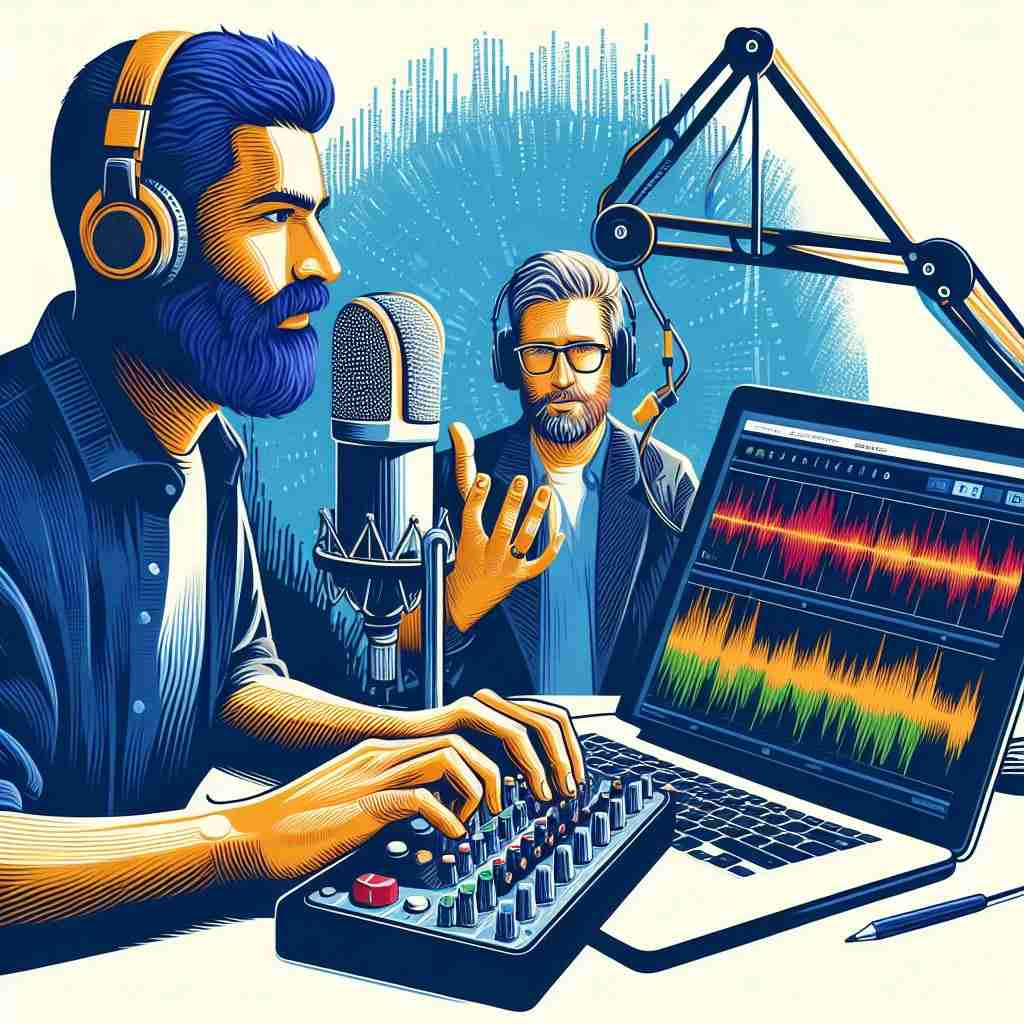
What Ethical Considerations Arise with AI In Podcasting?
What Ethical Considerations Arise with AI In Podcasting?
- Podcasting reshapes storytelling and expertise sharing, intertwining ethics, creativity, and emotion with AI.
- AI can enhance content but risks diluting authenticity and emotional connection in podcasting.
- Trust in AI for content creation raises questions about authority, context, and human touch.
- AI lacks the lived experiences that define human stories, necessitating human insights in podcast narratives.
- Dependence on AI may create echo chambers, limiting the diversity of human experiences represented in content.
- Embracing AI presents ethical challenges, prompting reflection on our roles as content curators and storytellers.
- To inspire trust and connections, podcasts must prioritize human voices while leveraging technological tools.

What Ethical Considerations Arise with AI In Podcasting?
How Can AI Help Create a More Immersive Listening Experience?
Imagine turning on a podcast and feeling as though you’re not just a listener but a participant in a conversation unfolding right beside you. That’s the magic of AI; it brings a level of intimacy and engagement to audio storytelling that makes the mundane extraordinary. With advancements in artificial intelligence, the soundscapes we listen to can be transformed, adapting to our surroundings and moods, making each session as unique as the individuals who tune in.
Consider a rainy afternoon, the patter of raindrops tapping against your window while you lose yourself in a podcast about adventure. AI can weave that sound into your experience, enhancing each moment. By analyzing the narrative, it can adjust ambient sounds, aligning them with the ebb and flow of the conversation. The result? A podcast that doesn’t just speak to you but resonates within you, activating memories of past experiences and feelings. This is the very essence of connection; it goes beyond mere words to create a tapestry of sound that wraps around you like a comforting embrace.
Moreover, AI doesn’t just elevate the quality of sound; it personalizes it. With machine learning algorithms, it can gauge your preferences—what stories move you, what melodies uplift you. By tapping into this data, AI tailors content that speaks directly to your heart, pulling you into riveting narratives or soothing you into relaxation as needed. Your listening experience becomes not just curated but bespoke, catering to your individual journey. That’s a powerful proposition in our fast-paced world, where connection often feels fleeting.
Ethically, this level of personalization raises important questions about data use and privacy, but when handled with transparency and consent, it paves the way for a deeper connection between creators and audiences. Trust builds when listeners know that their preferences are valued and respected, leading to more meaningful engagement with content.
Finally, think about the communities that are built around these podcasts. They serve as modern campfires, uniting people through shared interests and experiences. AI fosters these connections by recommending content tailored to your discussions and helping build social circles around what moves you. It’s a reminder that, in a world brimming with technology, the human experience is still at the core.
In an era where we are often listeners rather than participants, AI invites us back into the conversation, creating not just an environment but a connection that feels like home.

How Can AI Help Create a More Immersive Listening Experience?
How Can AI Help Create a More Immersive Listening Experience?
- AI enhances the podcast experience, making listeners feel like active participants.
- Soundscapes adapt to environments and moods, creating unique listening experiences.
- Ambient sounds are integrated with narratives, resonating with personal memories and emotions.
- Machine learning personalizes content based on individual preferences and experiences.
- Ethical considerations around data use and privacy are important, requiring transparency and consent.
- Podcasts build communities, uniting people through shared interests and experiences.
- AI fosters deeper connections between creators and audiences, enhancing engagement in a fast-paced world.

How Can AI Help Create a More Immersive Listening Experience?
What Authority Figures Advocate for Using AI In Audio Production?
What Authority Figures Advocate for Using AI in Audio Production?
In the rapidly evolving world of audio production, experts from diverse backgrounds advocate for the integration of artificial intelligence, highlighting both practical benefits and transformative potential. These voices—a blend of seasoned producers, innovative technologists, and visionary artists—emphasize that AI is not just a tool; it’s a partner in creativity.
Picture this: a budding artist, struggling to find the right sound for their first podcast, feels overwhelmed by the seemingly infinite options and technical obstacles. Enter AI. Its algorithms can analyze vast arrays of data, suggesting scoring that fits the emotional nuances of their narrative. Authority figures emphasize that such assistance doesn’t replace human creativity; it amplifies it. Behind every great audio experience is an intricate blend of human intuition and machine efficiency, working in harmony.
Rational arguments often revolve around efficiency. Consider an expert sound engineer who spends countless hours tweaking audio tracks. AI can streamline this process, allowing the engineer to devote time to what they love—crafting compelling stories and fostering connection. In an age where time is currency, this approach enables creatives to innovate rather than simply replicate.
Equally important is the ethical dimension. Prominent figures in audio production advocate for AI’s role in democratizing access to quality sound design. For many, creating a podcast or an album has historically meant excessive costs and barriers. AI tools can level the playing field, offering resources that empower creators from all walks of life. This inclusivity fosters a diverse array of voices in media—a change that not only broadens the narrative landscape but also reflects collective experiences that resonate on deeper emotional levels.
Lastly, let’s talk about social appeal. The authority figures who champion AI in audio production often share heartfelt stories of transformation. One producer recounted how AI-assisted mixing allowed a previously unheard voice—a skilled musician with a unique story—to finally share their message. This isn’t just about sound; it’s about connection, authenticity, and the chance to participate in the rich tapestry of our shared human experience.
Ultimately, using AI in audio production isn’t merely an endorsement of technology; it’s an invitation to rethink creativity and collaboration. With hearts open and minds engaged, we can harness these tools to amplify our stories, ensuring that everyone has the chance to be heard—especially in an era where every voice matters. Embrace the potential; the future of audio storytelling is waiting.

What Authority Figures Advocate for Using AI In Audio Production?
What Authority Figures Advocate for Using AI In Audio Production?
- Experts from varied fields advocate for AI integration in audio production, emphasizing its role as a creative partner.
- AI assists artists by analyzing data and offering suggestions to enhance their narratives.
- AI streamlines audio production processes, allowing engineers to focus on creativity and storytelling.
- AI democratizes access to quality sound design, reducing costs and barriers for creators.
- This inclusivity leads to a broader range of voices and narratives in media.
- Producers share transformative stories of how AI has enabled unheard talents to express their messages.
- The use of AI in audio production encourages rethinking creativity and collaboration, fostering a more inclusive environment.

What Authority Figures Advocate for Using AI In Audio Production?
What Role Does Sound Design Play In Shaping Audience Perceptions?
When we think about what makes a story truly resonate, we often focus on the words, the visuals, or the performances. Yet, there’s a crucial element that often goes unnoticed—the sound design. It’s the unsung hero of storytelling, subtly weaving its way into the fabric of our experience and guiding our emotional responses. Imagine sitting in a dimly lit theater, the opening notes of a scored podcast float through the air, instantly setting the mood before a single word is spoken. That’s the power of sound design.
Sound doesn’t just fill silence; it creates a visceral connection. Consider a scene from a horror podcast—where the creak of a floorboard makes your heart race, or the distant echo of footsteps triggers a primal instinct to flee. It’s not just sound; it’s the embodiment of fear and tension, a trickle of ice that crawls down your spine. This relationship we have with sound can be likened to a trusted handshake; it communicates intention, evokes memory, and forges bonds. A well-crafted podcast episode can plant you right in the heart of a winter storm or the inner sanctum of a bustling city, making you feel like you belong.
But sound design doesn’t stop at establishing an atmosphere; it informs our thoughts and ethics too. The use of specific auditory cues can influence our perceptions of characters and their motivations. A warm, full orchestral swell might make us feel empathetic towards a character’s plight, while piercing, dissonant notes can skew our perception to view them as sinister. It’s a reminder that sound is a brushstroke on the canvas of storytelling; it colors our interpretations and nudges our moral compass.
Let’s take a moment to recognize the communal aspect of sound. Picture a gathering of friends, each absorbed in a gripping podcast, their laughter mingling with gasps of surprise. The collective experience enriches our understanding and creates social bonds through shared emotional responses. Sound design, in this context, becomes a catalyst for connection, sparking conversations that transform a solitary experience into a dialogue among many.
In a world inundated with visual stimuli, let’s not overlook the essential role of sound design. It’s an art—one that invites us to lean in a little closer, to listen a little harder, and to feel a little deeper. Just like a well-told story, it beckons us towards trust and understanding, creating an empathetic landscape where every listener can find a piece of themselves. Engaging with sound design allows us to tap into something raw and universal, bridging our human experiences in ways that words alone cannot.
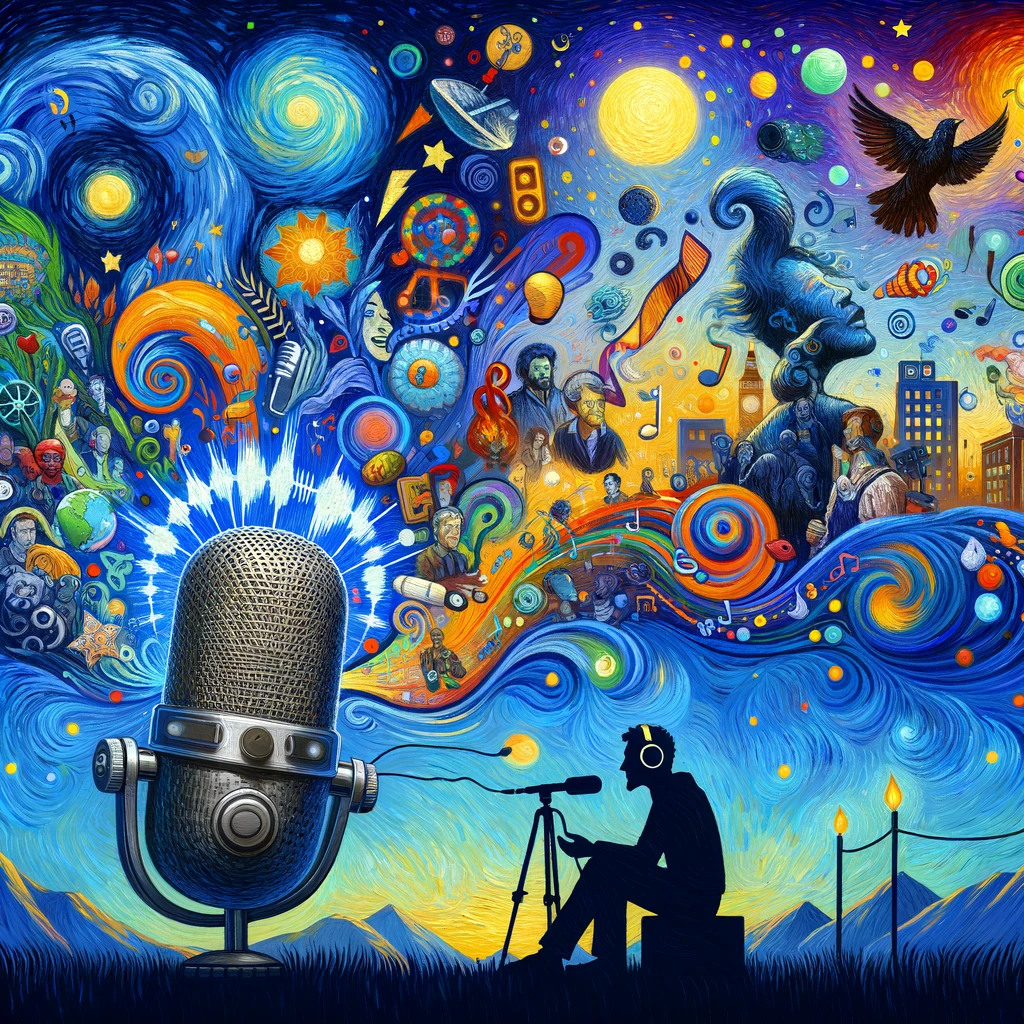
What Role Does Sound Design Play In Shaping Audience Perceptions?
What Role Does Sound Design Play In Shaping Audience Perceptions?
- Sound design is a crucial and often overlooked element of storytelling.
- It creates a visceral connection, enhancing emotional responses to narratives.
- Auditory cues influence perceptions of characters and their motivations.
- Sound can evoke empathy or fear, guiding the audience’s interpretation.
- The communal experience of sound enriches understanding and fosters social bonds.
- Sound invites deeper engagement, urging listeners to connect with stories.
- It bridges human experiences in ways that words alone cannot convey.

What Role Does Sound Design Play In Shaping Audience Perceptions?
How Can AI Analyze Listener Feedback to Improve Podcast Content?
In the world of podcasts, listener feedback isn’t just a collection of comments; it’s a lifeline. Imagine a small-town diner, where every plate served is crafted with care but also shaped by the whispers of patrons. Just like that diner, podcasts can thrive by truly listening. AI can act as the chef in this scenario, taking listener feedback and mixing it into a recipe for better content. When we harness the power of AI to analyze this feedback, we begin to unveil the nuances of audience engagement—the head, heart, and gut responses that dictate what resonates.
Consider the emotional weight of a heartfelt story shared by a listener. It might remind us of our own experiences—the joy, the struggle, and the triumphs that bind us as humans. AI can sift through mountains of listener comments, identifying themes that tug at our heartstrings. By pinpointing the moments that spark these emotionally charged responses, content creators can tailor future episodes. It’s not just about data; it’s about connection. When a listener feels heard, they’re more likely to return to that virtual table, eager for the next installment.
On the rational side, data analytics offers insights that are impossible to ignore. With AI, we’re not drowning in raw numbers; we’re understanding listener behavior—what keeps them tuned in and what causes them to tune out. Imagine you’re a podcast host assessing your last episode’s analytics, discovering that a particular segment intrigued more listeners than expected. By leveraging this knowledge, you refine your approach, ensuring that the content remains relevant and engaging. This reasoned approach fosters trust, as listeners witness a commitment to improvement based on their preferences.
Ethically, let’s remember that every listener’s voice matters. AI can democratize the feedback process, allowing diverse opinions to shape content. By embracing this inclusivity, hosts cultivate a community that feels valued—a place where ideas can flourish and conversations thrive.
There’s a unique opportunity to turn the tables on traditional methods of content creation. Instead of merely reporting what worked in the past, we can invite our audience into the creative process. Picture a podcast that not only shares stories but transforms into a collaborative project, where listeners’ ideas and experiences directly influence the narrative arc. This approach not only enriches the content but also builds a loyal following, as listeners become co-authors of the adventure.
At the end of the day, a podcast is more than an audio experience; it’s a shared journey. By employing AI to analyze listener feedback, creators can not only improve their craft but also forge deeper connections with their audience, making every episode feel like a warm conversation at that cozy diner table.

How Can AI Analyze Listener Feedback to Improve Podcast Content?
How Can AI Analyze Listener Feedback to Improve Podcast Content?
- Listener feedback is crucial for podcasts, serving as a lifeline for improvement.
- AI acts as a chef, mixing feedback into a recipe for enhanced content creation.
- Emotional stories shared by listeners help identify themes that resonate deeply.
- Data analytics provide insights into listener behavior, aiding content relevance.
- AI democratizes feedback, allowing diverse voices to influence podcast content.
- Inviting audience participation transforms content into a collaborative project.
- Podcasts create shared experiences, fostering deeper connections with audiences.

How Can AI Analyze Listener Feedback to Improve Podcast Content?
Conclusion
In the bustling arena of podcasting, the art of crafting an authentic atmosphere is where magic happens. Imagine cruising down an open road as a podcast envelops you like a warm embrace, thanks to meticulously chosen soundscapes that resonate with your very core. Through advanced artificial intelligence techniques, podcasters can channel the emotional pulse of their audience, using carefully curated audio to evoke memories of rain tapping on a window or the crackle of a cozy fire. It’s about capturing those feelings and weaving them into the narrative fabric, drawing listeners deep into the experience.
As we delve into the realm of data, it becomes clear that insights gleaned from AI can transform storytelling. By understanding what engages listeners, podcasters gain the ability to tailor each episode to stir emotions, creating a sense of connection that goes beyond mere entertainment. There’s an ethical responsibility here; it’s not just about gathering clicks but valuing the audience’s experience while fostering meaningful relationships. When listeners feel included rather than just informed, they’re more likely to return, eager to engage with the next heartfelt story.
At its core, successful podcasting is about building a community. It’s about inviting your audience into your life, sharing personal tales that resonate deeply and echo universal experiences. This relatability fosters trust, bridging the gap between podcaster and listener. And as we engage, we’re reminded that the craft of storytelling is a collaborative affair—AI stands as an ally, enhancing narratives rather than overshadowing the human touch.
When crafting a podcast, clarity of intention is vital. Define the emotional thread you wish to weave throughout each episode. Every story has the potential to mirror shared struggles, illustrating the bravery it takes to confront challenges. Infusing humor creates a balance, allowing for laughter amid serious subjects, thus further deepening connections.
Moreover, sound design is the unsung hero that shapes perceptions. The right auditory cues serve not just as backdrop but as active participants in storytelling, guiding emotions and driving engagement. As we embrace AI’s capabilities, we unlock new avenues for immersion, transforming passive listening into active participation.
As the industry continues to evolve, AI offers both a toolkit and a framework, reminding us that the heart of podcasting lies in shared experiences, compassion, and genuine connection. This is more than just audio; it’s about celebrating what it means to connect, to listen, and together, to share in the rich narrative of human life.

Conclusion
Conclusion:
- The art of podcasting creates an authentic atmosphere that deeply engages listeners.
- Advanced AI techniques help podcasters evoke emotions through soundscapes and audio cues.
- Insights from AI enable tailored storytelling, enhancing emotional connections with the audience.
- Successful podcasting focuses on building community and sharing relatable personal stories.
- Clarity of intention is crucial, defining the emotional thread woven throughout each episode.
- Sound design plays a key role in shaping perceptions and guiding audience emotions.
- AI serves as a valuable tool, enhancing storytelling and fostering genuine human connection.

Conclusion
Other Resources

Other Resources
Here is a list of other resources you can review online to learn more:
- Mastodon
- Jiosaavn
- Spreaker
- Podchaser
- Google Podcasts Manager
- Google My Business
- r/podcasting
- Clarity.fm
- Plurk
- Amazon Music
- Castro
- Pandora For Podcasters
- Adobe Audition
- Resound
- Podkicker
- Instapaper
Use This Prompt To Get More Resources With Your Favorite Online AI Tool: Please provide me with a list of online articles with their URLs in a bulleted list that I can read regarding Advanced AI Techniques for Podcast Atmosphere & Mood

Other Resources
Glossary Terms
Advanced AI Techniques for Podcast Atmosphere & Mood – Glossary Of Terms
1. Ambience: The background sounds and atmosphere that create a specific mood in a podcast.
2. Soundscape: A combination of audio elements, including music and sound effects, that form the auditory environment of a podcast.
3. Foley: The reproduction of everyday sound effects that are added to films, videos, and podcasts in post-production.
4. Spatial Audio: A technology that enables sound to be perceived as coming from different directions and distances, enhancing the immersive experience.
5. Binaural Recording: A method of creating audio experiences that mimic how human ears perceive sound, often using two microphones.
6. Atmospheric Sound: Sounds that enhance the mood or setting without being the primary focus, such as rain or wind.
7. Dynamic Range: The difference between the loudest and softest sounds in a recording, crucial for maintaining listener engagement.
8. Equalization: The adjustment of frequency balance in audio recordings to enhance clarity and presence.
9. Reverb: The lingering sound that occurs when audio bounces off surfaces, adding depth to the overall sound.
10. Compression: The process of reducing the dynamic range of audio, making quieter sounds louder and louder sounds quieter.
11. Panning: The distribution of sound across the stereo field, allowing listeners to perceive directionality.
12. Voiceover: Narration added to a podcast that provides context, storytelling, or commentary.
13. Sound Effects (SFX): Audio elements added to enrich the listening experience and emphasize particular moments.
14. Looping: Repeating a segment of audio to create a continuous sound, often used for background music.
15. Microphone Technique: The methods used to capture audio effectively, influencing clarity and character.
16. Podfade: The gradual decrease in a host’s enthusiasm or engagement, often affecting podcast quality.
17. Editing: The process of refining audio recordings by removing unwanted sections and improving flow.
18. Mixing: The process of combining various audio tracks into a cohesive final product, balancing levels and effects.
19. Doppler Effect: The change in frequency of a sound as it moves closer or further from the listener, used for realism in sound design.
20. Layering: The technique of stacking multiple audio tracks to create a richer sound texture.
21. Amplitude: The height of a sound wave, which determines the loudness of the audio.
22. Field Recording: Capturing sound in real-world settings outside of a studio environment, enhancing authenticity.
23. Podcast Format: The structural outline of a podcast episode, influencing its pacing and content delivery.
24. Engagement Hooks: Attention-grabbing audio elements designed to captivate listeners at key moments.
25. Transitional Effects: Sounds or music used to transition between segments of a podcast, maintaining flow.
26. Synthesis: The process of creating sounds electronically, often used to produce unique audio effects.
27. Story Arc: The narrative structure that defines the progression of a podcast episode, enhancing listener immersion.
28. Narrative Voice: The tone and style of the host’s delivery, impacting the overall mood and engagement level.
29. Episode Teaser: A brief audio segment that previews upcoming content, designed to intrigue listeners.
30. Target Audience: The specific group of listeners a podcast intends to reach, influencing content choices and mood-setting techniques.

Glossary Of Terms
Other Questions
Advanced AI Techniques for Podcast Atmosphere & Mood – Other Questions
If you wish to explore and discover more, consider looking for answers to these questions:
- What specific AI tools, platforms, or plugins are best for creating and mixing podcast soundscapes?
- How do I implement AI-driven ambient sounds without overpowering dialogue or reducing intelligibility?
- What is a practical step-by-step workflow for integrating AI into preproduction, recording, and postproduction?
- How much do AI audio tools cost and are there free or open-source alternatives suitable for indie podcasters?
- What hardware and system requirements are recommended to run real-time or high-quality AI audio processing?
- How does AI analyze emotional tone in scripts or recordings and what data sources does it rely on?
- How accurate are emotion-detection models and how should creators validate their outputs?
- How can AI personalize episodes or soundscapes for individual listeners while keeping production scalable?
- What listener data does AI need for personalization and how is that data collected and stored?
- Which privacy laws (GDPR, CCPA, etc.) apply to collecting listener data and using it for AI-driven personalization?
- Do I need to disclose to listeners when AI is used for voice synthesis, writing, or sound design?
- What ethical guidelines or consent practices should be followed when cloning voices or simulating real people?
- How can creators avoid AI-generated bias, stereotyping, or culturally insensitive sound design?
- How do we prevent algorithmic echo chambers when letting AI recommend topics or tailor content?
- What are the copyright and licensing implications of AI-generated music, samples, or sound effects?
- How can AI assist with routine editing tasks (noise reduction, de-essing, leveling) and which features are most reliable?
- Can AI generate full episode scripts or interviews and what are the editorial and ethical implications?
- How can AI help write better episode titles, descriptions, and show notes to improve discoverability?
- What metrics or methods measure the emotional impact of an episode (heart rate, engagement, retention)?
- How does AI analyze qualitative listener feedback (comments, reviews) and turn it into actionable improvements?
- Which A/B testing strategies work best for testing different atmospheres, music, or pacing?
- How do you balance ambient layering with spoken-word clarity in different listening contexts (car, headphones, speakers)?
- Is real-time adaptive audio (changing ambiance based on environment or mood) feasible for podcast distribution?
- Which DAWs and plugin formats (VST, AU, AAX) integrate most smoothly with AI-driven audio tools?
- What best practices ensure AI augments rather than replaces the host’s authentic voice and perspective?
- How do professional sound designers incorporate AI while preserving creative control?
- Are there documented case studies showing measurable engagement lifts from AI-enhanced podcasts?
- How can AI improve accessibility (automatic transcripts, captions, audio descriptions) and what accuracy can be expected?
- What are the trade-offs between using proprietary AI services and training or deploying open-source models?
- What legal and ethical steps are required before voice cloning a guest or public figure?
- How can listeners or platforms detect and label AI-generated voices or content to maintain trust?
- What legal risks arise if AI recreates a copyrighted song or a recognizable public figure’s voice?
- How does AI-driven personalization change ad targeting, CPMs, and monetization strategies for podcasts?
- What security measures protect sensitive audio files, listener data, and model inputs/outputs?
- How can smaller creators train or fine-tune models for a niche audience with limited data?
- What technical audio standards (sample rates, loudness targets, dithering) should be followed after AI processing?
- How should creators credit AI contributions in episode notes, credits, or metadata?
- Which KPIs (retention, completion rate, listener lifetime value) best indicate that AI-enhanced soundscapes improved engagement?
- How can listeners be invited into the creative process (co-creation of soundscapes, feedback loops) using AI tools?
- What are the long-term implications of pervasive AI use for podcast creativity, jobs, and the diversity of voices?

Other Questions
Haiku
Advanced AI Techniques for Podcast Atmosphere & Mood – A Haiku
Podcasts shaped by AI,
Soundscapes crafting heart and mind,
Shared tales, shared embrace.

Haiku
Poem
Advanced AI Techniques for Podcast Atmosphere & Mood – A Poem
In a world of sound, where stories unfold,
Podcasts awaken, with tales to be told.
Advanced AI weaves a mood so divine,
Transporting us gently, where hearts intertwine.
With echoes of laughter, whispers of fear,
Every soundscape crafted, draws us near.
The rhythm of raindrops, the crackle of fire,
In this immersive moment, our souls can aspire.
In the warmth of connection, we find our place,
Through narratives shared, we embrace the human race.
Voices blend like colors, a tapestry spun,
Inviting each listener, as one and as none.
Let data guide wisely, yet never overshadow,
For stories told truthfully are the seeds that we sow.
Ethics remind us, keep the heart in the game,
In every podcast journey, may we forge our own name.
So, as we navigate this sound-filled sphere,
Let trust be our anchor, and community near.
Embrace the technology, with humanity’s grace,
For in every podcast, we find our shared space.

Poem
Checklist
Advanced AI Techniques for Podcast Atmosphere & Mood – A Checklist
Emotional Appeals
✅______ Identify key emotions to evoke in each episode (e.g., joy, nostalgia, empathy).
✅______ Incorporate personal stories that resonate on a human level.
✅______ Use soundscapes that enhance the emotional atmosphere (e.g., rain, city sounds).
Rational Appeals
✅______ Analyze audience preferences using AI-driven insights.
✅______ Present clear data or anecdotes to highlight ethical dilemmas.
✅______ Tailor content based on listener engagement metrics.
Ethical Appeals
✅______ Ensure transparency about AI’s role in content creation.
✅______ Maintain authenticity in storytelling; let human experiences guide narratives.
✅______ Respect audience feedback and incorporate diverse voices in episodes.
Authority Appeals
✅______ Reference industry experts who advocate for AI integration in audio production.
✅______ Highlight success stories demonstrating AI’s impact on sound design and audience connection.
✅______ Emphasize the collaboration between technology and creativity in content production.
Narrative Appeals
✅______ Craft compelling narratives that engage listener curiosity and foster connection.
✅______ Utilize humor to balance serious topics and enhance relatability.
✅______ Create a narrative arc that encourages participatory dialogue with the audience.
Social Appeals
✅______ Foster a sense of community by inviting listener stories and feedback.
✅______ Encourage social sharing and discussion of episodes among listeners.
✅______ Develop content that reflects collective human experiences and societal issues.

Checklist
At PodcastBig, we help people who want to learn about podcasting by collating information and news about podcasting.
Be sure to read our other related stories at PodcastBig to learn more about podcasting.